
 Search

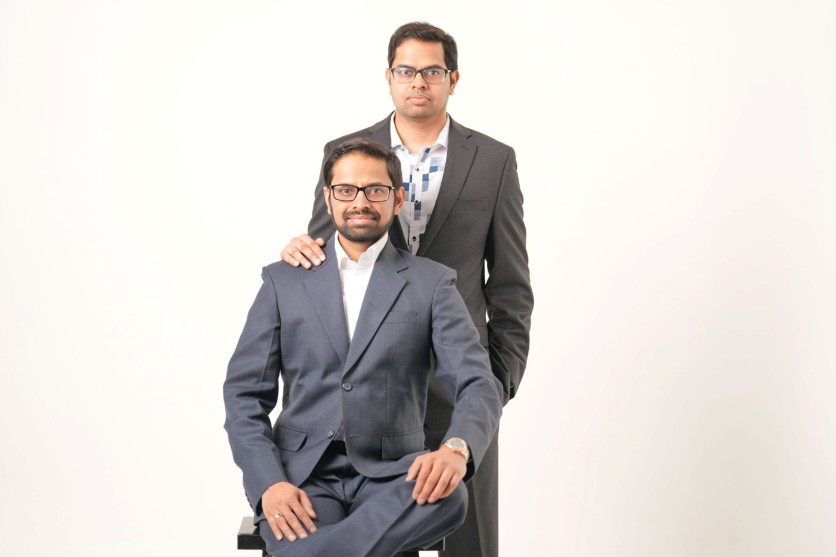
Shivam and Divyam Sikroria
Electric vehicles promise cleaner transport yet still struggle with range limits, high costs, and driver anxiety about the next charging stop. Shivam and Divyam Sikroria step directly into that pressure point with a physical aerodynamic system that cuts drag on electric, hybrid, and gasoline cars, backed by data rather than hype.
Their hardware sits in the vehicle, reshaping airflow so the car slips through the air more easily, which translates into lower energy use and longer range per charge or tank. Third‑party tests show promising results. A compact electric vehicle equipped with their configuration can complete a round trip between New York and Washington, D.C. on a single charge, a benchmark that would catch the attention of any automaker chasing real‑world gains.
"Engineers worldwide chase marginal gains; we went after the full aerodynamic story," Shivam says, describing how thousands of miles of testing were treated less like a marketing exercise and more like a rolling lab. Over 27,000 miles of road data support the wind‑tunnel findings, underlining that the drag reductions persist on actual streets, not only in controlled conditions.
From Tracking Gadget to NASCAR-Grade Validation
Curiosity started far from full‑scale wind tunnels. Shivam and Divyam first shipped a wireless tracking device through Kickstarter and Indiegogo, learning how to move from concept to physical product while dealing with real customers and tight margins. That early work sharpened their instincts for hardware, software, and user expectations, setting the stage for something far more ambitious in transport.
Work at an Italian sports‑car company gave them a close view of aerodynamics applied to sleek bodies built for speed. Math, computer science, and economics education merged with daily exposure to high‑performance design, teaching them how small changes in shape or flow management can add up to sizable gains in efficiency and stability.
Shivam leads the aerodynamic modelling and technical architecture, turning complex equations into practical, testable designs for real vehicles. Divyam drives the validation roadmap and economic feasibility, structuring test programs, interpreting results from track and highway runs, and translating performance gains into meaningful savings for manufacturers and drivers.
Their latest aerodynamic technology has been tested at a wind tunnel facility in North Carolina that serves NASCAR teams, a site known for scrutinizing airflow around racing machines at high speeds. That facility's report and data confirm drag reductions for their prototype vehicle, providing independent validation that carries weight with engineers and regulators reviewing claims for global deployment.
"Our vehicle technology has big impact on fuel savings while showing minimal visual changes," Divyam's remarks, pointing toward the psychological impact of that level of certification when speaking with manufacturers. Their tests close the loop between computer models, prototype builds, and measured performance.
Patented Technology with Global Reach
Both brothers hold worldwide patents for their aerodynamic system, securing protection across major automotive markets and signalling that examiners in multiple jurisdictions recognize the originality of their work. Those patents describe a hardware‑centric solution that can be fitted to different body styles, from compact urban EVs to larger SUVs and trucks.
Rather than chasing new motors or exotic batteries, they focus on the space around the car: how air meets the front, moves along the sides, and leaves the rear. By tuning those zones, their system reduces drag and allows existing drivetrains to travel farther using the same stored energy.
Their work includes an intelligent mirror adjustment system that improves safety and comfort, using sensors and control logic to refine viewing angles in response to driving conditions. Together with the drag‑reduction hardware, it shows their intent to treat efficiency and safety as linked goals, rather than trade‑offs.
Global media attention has begun to follow. Coverage in financial and technology outlets discussing Sikroria's aerodynamic and safety technologies places Shivam and Divyam among a small group of engineers whose work is watched by investors and industry stakeholders across borders. Articles describing their patented systems, third‑party validations, and long‑distance range demonstrations frame them as central figures in the push to extend electric‑vehicle range and reduce ownership costs.
Data, Range, and a Different Direction for EVs
Global automakers pour billions into motors, batteries, and software platforms to meet stricter emissions regulations and consumer demand for sustainable transport. Shivam and Divyam offer a different lever: reshaping aerodynamics so every kilowatt‑hour or gallon of fuel stretches further.
A test program spanning over 27,000 miles demonstrates consistent range gains in real traffic, reinforcing wind‑tunnel predictions from the NASCAR‑grade facility. Those results suggest that drivers could see meaningful reductions in charging frequency and operating expense, especially for electric vehicles that suffer most from drag at highway speeds.
Their technology speaks directly to three critical pain points for EVs: limited range, slow charging, and high purchase cost. Longer range eases pressure on charging infrastructure, while improved efficiency allows manufacturers to consider smaller packs, trimming costs without sacrificing usability.
Industry engineers, test facilities, and media outlets now reference the Sikroria system as an example of how aerodynamics can deliver large‑scale gains without waiting for the next battery breakthrough. That recognition, coupled with global patent protection and independent test reports, positions the brothers as prominent contributors whose work influences how decision‑makers think about the future of vehicle efficiency.
Brothers at the Center of a Global Conversation
Shivam's background in mathematics and computer science, paired with Divyam's training in mathematics and economics, anchors their work in both technical modelling and real‑world feasibility. Time spent in IT sharpened their software skills, yet the pull of automotive engineering tugged them back toward vehicles, where lines of code meet metal and airflow.
Their work is reinforced by global patents, independent test lab endorsements, and coverage in news outlets and other financial news platforms spotlighting their technologies. Their story traces a path from crowdfunding gadgets to building a globally relevant aerodynamic package that aims to help vehicles travel farther, safer, and more affordably.
A new production vehicle integrating their systems is under development, pointing toward a future where their aerodynamic package and safety features come baked into the design rather than added later. If that vision holds, Shivam and Divyam's work could guide automakers toward a path where drag reduction stands beside batteries and software as a primary lever for cleaner, longer‑range transport.

-
 C114 Communication Network
 -
 Communication Home
