
 Search


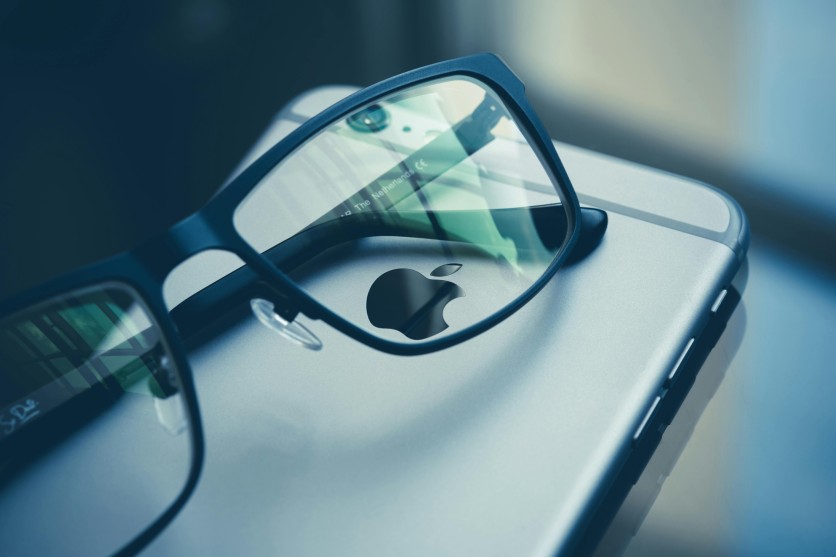
After years of speculation, Apple is reportedly on track to bring its own AI-powered smart glasses to market, and the product sounds like it has been designed with a very clear philosophy from the ground up.
Apple Is Planning to Debut Siri AI Glasses
Bloomberg's Mark Gurman shared in his latest Power On newsletter that Apple is working on a pair of smart glasses powered by Siri AI, designed as an everyday wearable similar in concept to Meta's Ray-Ban lineup rather than a deep immersive experience like the Vision Pro. The product is built to be worn comfortably throughout a full day, extending the capabilities of an iPhone rather than replacing it.
A defining characteristic of the reported design is the absence of an AR display. Unlike Meta Ray-Ban Display glasses or competing products that overlay digital content on the wearer's field of view, Apple's glasses, as currently described, do not include a visual screen at all. The experience is instead centered heavily on audio, with Apple's internal engineers reportedly describing the sound quality as "industry-leading," suggesting speakers and microphone technology are core selling points.
The device will operate in close partnership with a nearby iPhone. All app functionality is expected to run through the connected phone rather than on the glasses themselves, though the glasses will also have Wi-Fi connectivity for situations where an iPhone is not physically present.
That architecture keeps the hardware lightweight while giving the glasses access to the full depth of Apple's software ecosystem.
Siri AI Glasses Is Coming Next Year
According to Gurman's report, Apple plans to introduce the Siri AI glasses at WWDC, the company's annual Worldwide Developers Conference that typically takes place in June, with a commercial launch by the end of 2027. That timeline places the product's public debut alongside a significant software moment, allowing Apple to show developers how third-party app integration with Siri AI will function before the hardware reaches consumers.
Apple has been building the software foundation for the glasses since at least November 2026, when iOS 27.3 began laying the groundwork for expanded Siri AI integration with third-party apps. That work is specifically aimed at enabling genuine app functionality through Siri rather than relying solely on Siri Shortcuts, which have always been a more limited form of voice automation.
On the hardware side, internal prototypes of the Apple glasses are described as slightly thinner than the second-generation Ray-Ban Meta smart glasses. Cameras sit in oval-shaped openings that are flush with the frame rather than protruding from it, and a light on the front of the device indicates when the glasses are in use or charging.
Apple has also been experimenting with additional front-facing features related to privacy, though specifics were not confirmed in Gurman's report.
Apple to Rival Meta, Google, and More
The smart glasses market Apple is about to enter is already populated by several well-funded and quickly moving players. Meta has the most established consumer presence through its Ray-Ban collaboration, with second-generation and now third-generation models offering AI-powered assistance, speakers, and cameras to millions of users across its own Meta AI ecosystem.
Google is approaching the category from the operating system level through Android XR, an AI and augmented reality platform that it has built in partnership with Qualcomm and several device manufacturers. Samsung has partnered with both Google and Qualcomm to develop Android XR-powered glasses under fashion brands including Warby Parker and Gentle Monster, with those devices targeting the intersection of fashion-forward design and practical AI utility.
Apple's competitive advantage is expected to come from two places: the depth of its app ecosystem through Siri AI and the tight hardware and software integration that has made Apple products feel distinctly polished compared to early-generation competitors.
Frequently Asked Questions
What Is Apple's Siri AI?
Siri AI is Apple's upgraded artificial intelligence assistant, introduced as a core component of Apple Intelligence starting with iOS 18 and significantly expanded through iOS 27 and subsequent updates. Unlike the original Siri, which was primarily a voice command system limited to predefined tasks, Siri AI uses large language models and on-device processing to understand natural language more broadly, read and act on the content of a user's screen, take multi-step actions across different apps, and draw on personal context from the user's calendar, messages, emails, and other data.
Siri AI also integrates with ChatGPT from OpenAI in markets outside China, and with Alibaba's Qwen model in China, extending its ability to answer complex questions beyond Apple's own models. For the smart glasses specifically, Siri AI is expected to be the primary interface, allowing the wearer to interact with apps, ask questions, and get real-time assistance through voice without needing to reach for their phone.
Who Are Apple's Top Competitors in Smart Glasses?
The smart glasses landscape Apple is entering has become considerably more competitive in the two years leading up to the reported 2027 launch.
Meta is the category leader with its Ray-Ban Meta lineup, which runs on the company's own Meta AI and offers cameras, speakers, and an optional display model called the Ray-Ban Meta Display. The Meta lineup spans multiple Ray-Ban frame styles and has millions of users globally.
Google has built Android XR as the operating system powering smart glasses across multiple manufacturers, with Qualcomm supplying the chip infrastructure. Under that platform, Samsung has developed AI glasses in partnership with fashion brands Warby Parker and Gentle Monster, with those products targeting style-forward consumers who want AI assistance without obvious tech hardware aesthetics.
HTC VIVE has also entered the AI glasses category, offering its own hardware independent of both Meta and the Android XR ecosystem.
What Happened to the Vision Pro Lineup?
Apple Vision Pro launched in February 2024 as a fully spatial computing headset starting at $3,499, designed for immersive productivity, entertainment, and augmented reality experiences. A second generation was released in early 2026 with improved display technology, a lighter chassis, and expanded compatibility with Apple Intelligence features.
Sales of the Vision Pro lineup have been modest compared to Apple's core product categories because of the high price point, the need to wear a substantial headset, and the relatively narrow set of tasks where it delivers a meaningfully better experience than an iPhone, iPad, or Mac.
Apple has continued to develop visionOS and add features, but the category remains positioned as a premium experience product rather than a mass-market device. The Siri AI glasses being reported for 2027 are a completely separate product category, targeting the everyday wearable space at a price point expected to be much closer to what Meta charges for the Ray-Ban lineup.
Will visionOS Also Power the Apple Siri AI Glasses?
Based on Gurman's reporting, the Apple Siri AI glasses are not expected to run visionOS. The operating system that powers the Vision Pro is built for spatial computing, managing complex 3D environments, app windows floating in space, and hand and eye-based gesture navigation, all of which require the headset's display and sensor array to function. The smart glasses, by contrast, are reported to run no apps directly on the device itself, with all processing and app functionality delegated to a paired iPhone or handled over Wi-Fi.
The more likely scenario is that the glasses run a lightweight companion framework similar to how watchOS operates on Apple Watch, with the connected iPhone doing the heavy lifting and the glasses serving as an audio-first interface for Siri AI. Apple has not officially confirmed anything about the platform or software stack for the glasses as of the reporting date.

-
 C114 Communication Network
-
 Communication Home
