
 Search


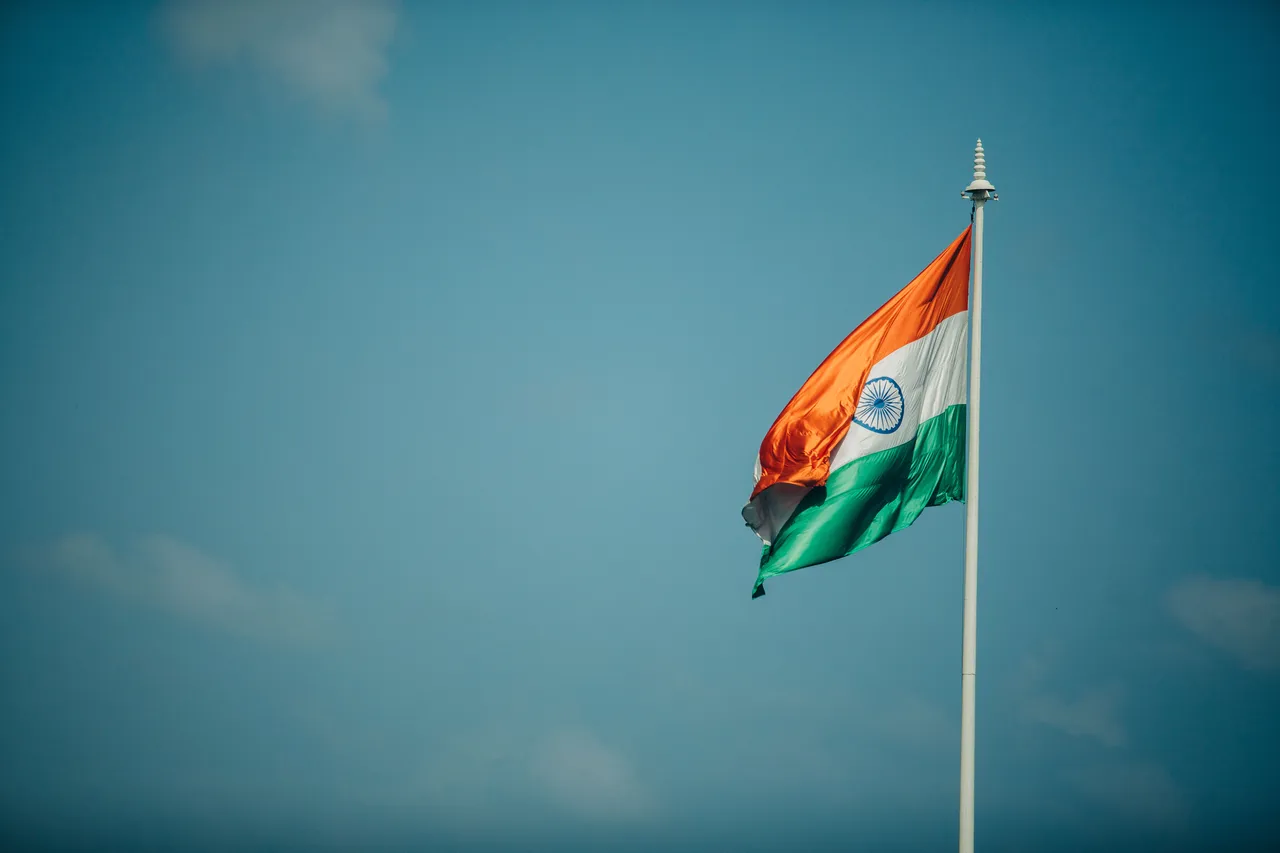
(Source: Big G Media on Unsplash)
In an effort to move beyond manufacturing and own more intellectual property, India aims to develop an indigenously designed, manufactured and branded smartphone in two years, Ashwini Vaishnaw, Electronics and IT Minister said during a recent event.
"This is 23 October 2026. Please note it: 23 October 2028. You will have Indian-designed, Indian-manufactured, Indian-branded mobile phones," said Vaishnaw at a recent event in New Delhi.
Over the last few years, India has emerged as a production base for several smartphone brands, including Apple and Samsung. The country is said to be the world's second-largest mobile manufacturer, according to a recent government press release. Its Production Linked Incentive (PLI) scheme has helped the country grow its status as a manufacturing hub for smartphones.
The government also approved the Mobile Phone Manufacturing Scheme (MPMS) earlier this year with an outlay of 625 billion Indian rupees (US$6.56 billion) to "scale up production, deepen domestic value addition, strengthen supply chain resilience, enhance global competitiveness."
The massive scale of the Indian market makes it lucrative for global device makers to start manufacturing there. Further, companies including Apple have sought to diversify their manufacturing from China because of geopolitical reasons.
Vaishnaw said the government had challenged Indian designers about three years ago to develop a printed circuit board (PCB) for a mobile phone. Two companies took up the challenge, and one developed a design that was subsequently selected by a major US telecommunications service provider, he said.
According to the minister, the company designed and delivered a 5G-plus handset to the operator, with the device already manufactured and supplied to customers. He said this experience gained over approximately three-and-a-half years would help India develop a domestic smartphone brand and retain its intellectual property in the country. However, he didn't mention the names of the companies involved.
Transitioning from a manufacturing hub to developing a homegrown smartphone comes with several challenges. In the past several domestic companies, including Micromax and Intex, have tried creating an Indian smartphone brand with global presence. One of the biggest challenges is coming up with innovative products which can rival global players, while other hurdles include developing design capabilities and providing after-sales services.
Smartphone companies have been facing the challenge of rising memory chip prices, which has made it tougher to address the entry-level and budget segments. Further, Chinese smartphone makers like Vivo, Xiaomi and Oppo have seen their collective market share in India drop to 68% in September quarter from 75% in the same period a year earlier, according to Omdia (a sister company to Light Reading).
This may be because of macro-economic factors such as growing jobs insecurity and diminishing consumer confidence, which are likely to make budget buyers more cautious. At the same time, reducing market share of Chinese companies in India could make it easier for domestic players to boost their market share.

-
 C114 Communication Network
-
 Communication Home
