
 Search

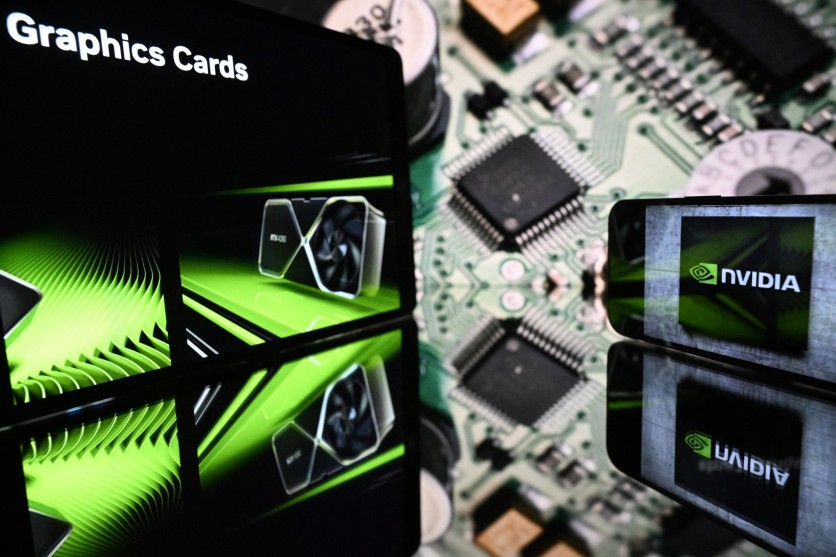
This illustration picture, taken in Toulouse on February 18, 2026, shows screens displaying the Nvidia company's logoa nd a graphic board. Lionel BONAVENTURE/Getty Images
If you have been delaying a graphics-card upgrade in hopes that Nvidia's "Super" refresh of the RTX 50 series would soon deliver more VRAM for the money, mid-2026's leaks are not encouraging. Multiple outlets now report the refresh may slip out of 2026 into early 2027, possibly debuting at CES 2027. Other reports insist it is still on track for this year. The honest summary is that the picture is contradictory.
The dispute is real. As VideoCardz reported, citing leaker BenchLife, the Blackwell-based Super lineup is now rumored to target a CES 2027 announcement rather than a 2026 launch. Notebookcheck similarly flagged that the launch has been tipped once again later than expected. Yet Tom's Hardware noted that some leaks claim Nvidia is still planning the series for 2026. Because Nvidia never formally announced these cards, every date here is rumor, and readers should treat it that way.
What the rumored lineup actually offers
The rumored lineup stays consistent even when the dates do not. Leaks point to an RTX 5060 Super with 12GB of VRAM, an RTX 5070 Super with 18GB, an RTX 5070 Ti Super with 24GB, and an RTX 5080 Super also with 24GB. The pattern is a meaningful VRAM bump over today's cards. The catch, per PCGuide's summary, is that the higher-VRAM models are precisely the ones reportedly waiting until next year, which undercuts the main reason most buyers wanted to wait in the first place.
Why memory decides when a GPU can launch
Here is the engineering crux. A graphics card's VRAM is built from GDDR7 chips soldered around the GPU die, and a card's capacity depends on how many chips it carries and how dense each chip is. To reach 18GB or 24GB on a mainstream board without bloating the design, Nvidia reportedly needs higher-density 3GB GDDR7 modules. Club386 reported that BenchLife cites the availability of those 3GB modules as the primary factor gating the timeline.
In other words, the same RAMageddon dynamics starving desktop DDR5 are also constraining the high-density GDDR7 the Super cards need, as memory makers prioritize lucrative AI-data-center demand over consumer parts. More VRAM is not a marketing flourish. It is what lets a card hold higher-resolution textures at 4K and run larger local AI models entirely on the GPU, both increasingly relevant to mainstream buyers in 2026.
How much pressure is AMD putting on Nvidia?
Not much, which is part of why Nvidia can afford to wait. AMD's next-generation RDNA, often called RDNA 5, is reportedly delayed to mid-to-late 2027 or later, according to board partners speaking at Computex. AMD's near-term move has been incremental: in early June 2026 it launched the Radeon RX 9070 GRE globally, a cut-down version of the RX 9070 built on existing RDNA 4. With no new high-end AMD architecture imminent, Nvidia faces little competitive urgency to ship a refresh into a memory market that is working against it.
Should you buy a GPU now or wait?
The realistic answer depends on what you play and at what resolution. If you need a card today, the current RTX 50 and Radeon RX 9000 lineups are the actual option on shelves, and the Super VRAM bumps are not guaranteed to arrive soon. For 1080p gaming, today's mid-tier cards are already comfortable, and there is little reason to wait for a refresh that may be a year out. For 1440p, current cards remain strong, though VRAM-hungry titles make the rumored 18GB tiers tempting if you can hold out.
For 4K, and for anyone eyeing local AI workloads, the extra VRAM genuinely matters, and that is the one case where waiting carries a rational payoff, provided you accept an open-ended hold. The risk is exactly that open-endedness. If the Super series really slips to CES 2027, anyone waiting is committing to a year without an upgrade while GPU prices stay elevated by the same memory crisis. And even when the cards arrive, that crisis could keep launch prices high. This is a buying judgment, not investment advice, but the leaks point one way: relief is not imminent, the higher-VRAM cards are the most delayed, and the memory market is the reason. Buy if you need it, and wait only with your eyes open.
Frequently Asked Questions
Is the RTX 50 Super series confirmed for 2026 or 2027?
Neither is confirmed. Nvidia has never officially announced the Super refresh. Leaks from VideoCardz and Notebookcheck point to a possible CES 2027 reveal, while Tom's Hardware cites claims it could still arrive in 2026. Treat all dates as rumor.
What VRAM are the rumored Super cards expected to have?
Leaks suggest an RTX 5060 Super with 12GB, an RTX 5070 Super with 18GB, an RTX 5070 Ti Super with 24GB, and an RTX 5080 Super with 24GB. The higher-capacity models are reportedly the ones most likely delayed into next year.
Why is the memory crisis delaying graphics cards?
The higher-VRAM Super cards reportedly need high-density 3GB GDDR7 modules, and that memory is in short supply as makers prioritize AI demand. The same shortage raising RAM and SSD prices is constraining the GDDR7 these cards require.
Should I wait for the Super cards or buy now?
If you game at 1080p or 1440p and need a card now, current RTX 50 and RX 9000 GPUs are a sound buy. Waiting mainly pays off for 4K or local AI use, where extra VRAM matters, and only if you can accept a possibly year-long, open-ended wait.

-
 C114 Communication Network
 -
 Communication Home
