

 Search

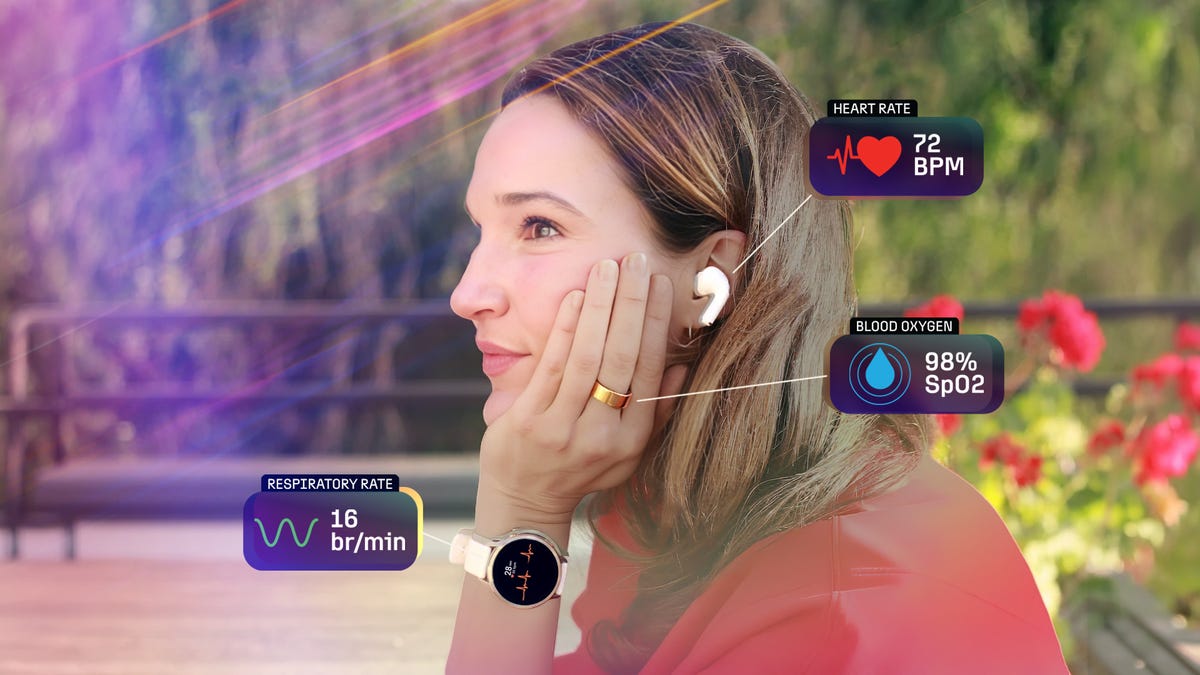
For as long as I've been covering health and fitness trackers, which is basically since the dawn of the category, they've been synonymous with the wrist: Apple Watch, Fitbit, Garmin, Samsung Galaxy Watch. Sure, exceptions exist, but most wearables are designed for the wrist, likely for the same reason the pocket watch moved there a century ago: convenience. Nobody really questioned it, least of all me.
That is, until I reviewed the Whoop band.
The Whoop appeared like any other wrist tracker, except it had no screen, and its sensor could be placed in different locations to passively measure health data. After realizing the arm band was more comfortable for sleep, I started exploring other ways to wear it. The same sensor can be worn on your bicep, tucked into a sports bra or even clipped into underwear.
It was the Whoop thong (yes, this is a thing) that really sent me into detective mode. The idea that a sensor in your underwear could track the same metrics and with the same level of accuracy as one on your wrist felt like a stretch. The fact that Whoop sells all these options on its website suggests it stands behind the data, but I was skeptical.
Today's wearables aren't just counting steps. They're flagging signs of atrial fibrillation, detecting sleep apnea, estimating blood pressure trends, tracking hormonal patterns and more. Wearables are not medical-grade devices and shouldn't replace professional expertise or treatment. But the results are edging closer and closer to clinical-grade precision.
Devices are also moving off the wrist entirely. The Oura Ring and other smart rings track vitals from your finger, and earbuds (like Apple's AirPods Pro 3) have added heart rate sensors. Companies like Lumia are also experimenting with sensors embedded in earrings.
As someone who trains regularly and depends on this data to guide my workouts and recovery, I wanted to know whether placement matters and, if so, by how much. So I went to the researchers. I found that sensor placement does affect accuracy, but it's not the only factor. Fit, consistency and, most importantly, the specific metric you're tracking can make an even bigger difference than wearable placement alone.
How wearables read your body
To understand why the placement of a wearable matters, it helps to know how these sensors work. Most of these devices use optical sensors called photoplethysmography, or PPG, a light-based technology that measures blood flow under your skin. When your heart beats, blood surges into your vessels and absorbs more light. Between beats, less blood means more light bounces back to the sensor. That fluctuation is how your watch detects your heart rate, blood oxygen levels and more.

Your smartwatch detects your heart rate by shining green light into your skin and measuring how much bounces back. Viva Tung/CNET
An electrocardiogram, or ECG, by contrast, is the gold standard clinicians use to assess heart conditions because it uses electrodes on the skin that pick up the electrical signals that trigger each heartbeat.
"The heart's electrical activity has a very sharp peak during a heartbeat that we can use to very accurately time that beat," said Joshua Barrios, assistant professor of medicine at the University of California, San Francisco. "Because the PPG is measuring downstream blood flow, the signal looks smoother, more rounded, and so precise timing of the beat is harder."
The ECG is like the pebble hitting the water, whereas the PPG is the ripple. Both are useful, but one is closer to the source.
To get a reliable PPG signal, Barrios says you need three things: high perfusion (lots of capillaries), minimal movement (tight fit) and ideally transmitted light -- meaning the sensor captures light that has passed all the way through the skin and tissue, the same way a pulse oximeter works when it clips onto your finger with sensors on both sides. Consumer wearables mostly use reflected light, bouncing it off the skin rather than passing it through, which inherently reduces precision.
It's also worth noting that PPG accuracy isn't equal across all skin tones. Studies have shown that higher melanin concentrations in darker skin, as well as tattoos, can absorb more light and interfere with the sensor's ability to get a clean read -- particularly for peripheral capillary oxygen saturation, or SpO2. The FDA has flagged this as an ongoing concern, and while many manufacturers say they've improved their algorithms, independent research on how well those fixes work in practice is still limited.
Different metrics, different rules
There's a reason your vitals are measured from different parts of your body at the doctor's office. Each has its own ideal location: blood pressure from a cuff on your arm, oxygen saturation from a clip on your fingertip, heart rate and rhythm from electrodes on your chest and temperature from under your tongue or forehead.
Consumer wearables aim to do all of this from one spot on your wrist, which is an impressive feat of engineering but comes with trade-offs. Advanced algorithms can compensate for factors such as movement and other signal interference, but these are wellness tools, not medical devices.
Closer to the heart, more accurate read
Even with a PPG sensor, the closer it is to the source (i.e., the organ in question), the cleaner the signal and the more accurate the reading. How much that matters depends on what you're tracking.
"Chest or upper arm measurements are much more accurate for all measurements than wrists or fingers in the wearable context," said Barrios. A chest-positioned sensor like Whoop's bra accessory would be best for accuracy.
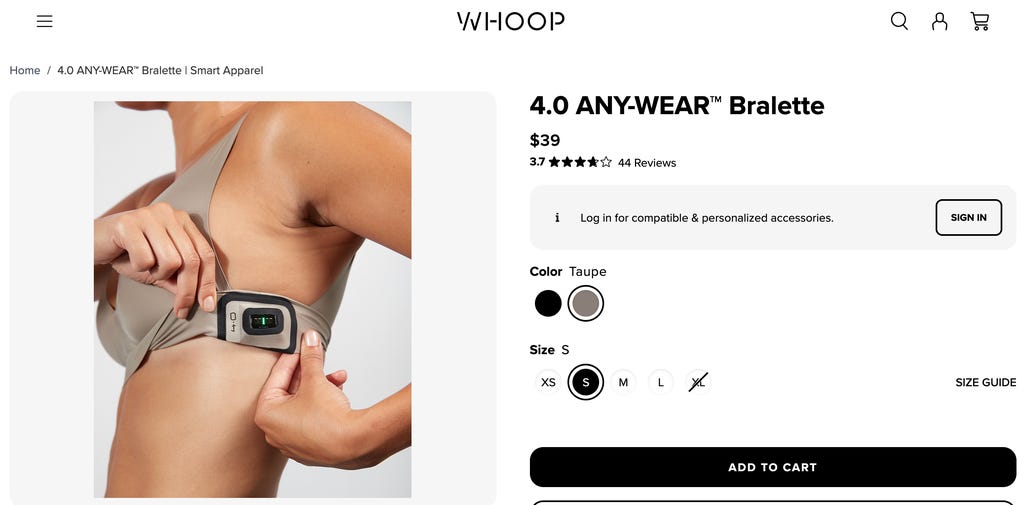
Whoop's bra has a built-in pocket that keeps the sensor in place against the chest. Whoop
Heart rate is one of the more forgiving metrics. Michael Snyder, professor of genetics and director of the Center for Genomics and Personalized Medicine at Stanford, regularly runs accuracy tests on consumer wearables and says the differences between devices and locations are smaller than most people assume.
"They're good enough for heart rate, heart rate variability off the wrist -- there'll be a few beats per minute off from clinical devices, but they're plenty good enough for what you need to measure," he said.
In his testing, most devices come within about two beats per minute of each other under normal conditions. For most use cases, that's sufficient for tracking fitness and recovery. But for more serious conditions like arrhythmias, it's best to treat these readings as a starting point for a conversation with your doctor, not as a clinical diagnosis.
"I would suggest that respiration [beats per minute], which I believe is picked up by a number of parameters, is best measured closer to your lungs," said Snyder.
Blood pressure is the clearest example of why the device's position isn't interchangeable.
"Your blood pressure at the ankle is much, much higher than on your arm," says Snyder. Even taking your blood pressure from the opposite arm can produce slightly different results.
Though none of the consumer wearables currently measure blood pressure on the spot (without some kind of calibration from a traditional cuff), a few, like the Apple Watch and Samsung Galaxy Watch, track trends. The Apple Watch, in particular, can alert people when it detects signs of high blood pressure, or hypertension, which is then information you can take to your doctor.
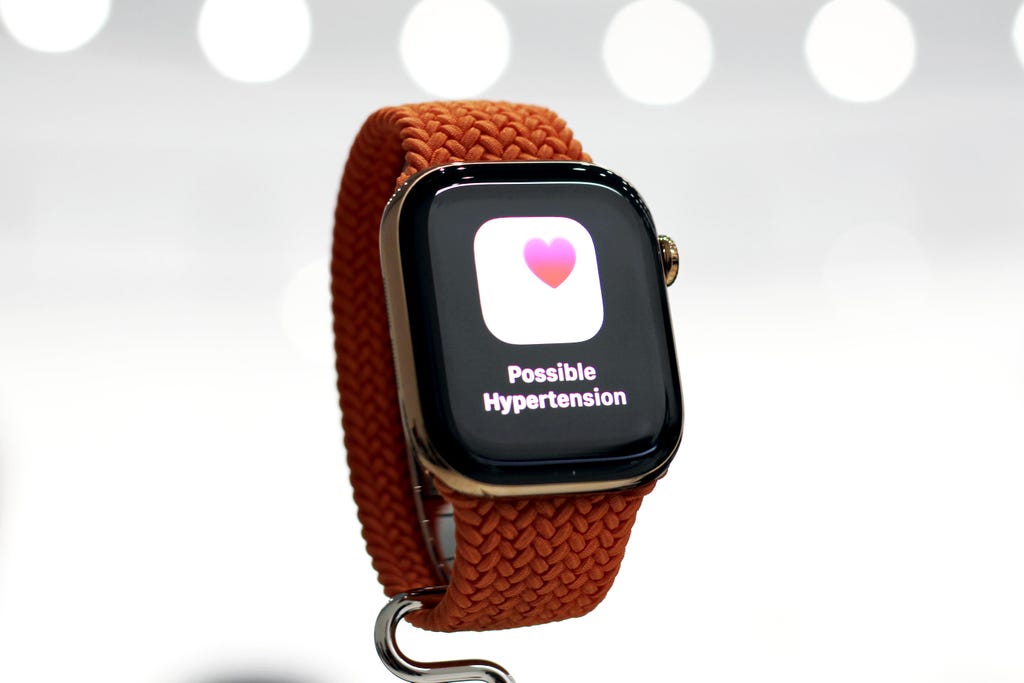
The Hypertension notification on the Apple Watch Series 11. Vanessa Hand Orellana/CNET
Some exceptions to the rule
When it comes to SpO2, visibility matters more than proximity. Thinner skin allows light to penetrate more easily.
"Fingertips and earlobes have great capillary beds and are accessible by transmitted light," said Barrios, though he notes fingertips aren't practical for continuous wear.
Smart rings and earbuds like the AirPods Pro 3 retain some of that advantage, but they still use reflected rather than transmitted light, which limits precision. They're also exposed to the elements, and cold temperatures can constrict blood vessels and degrade the read.
The ear is the newest frontier and could have a physiological edge over other locations, though the research on accuracy is still catching up to the products. Whether tucked into earbuds or hidden in smart earrings, the same variables still apply. Apple's own guidance for AirPods Pro 3 makes that clear: fit, cold temperatures and cleanliness all affect accuracy here just as they do on the wrist.
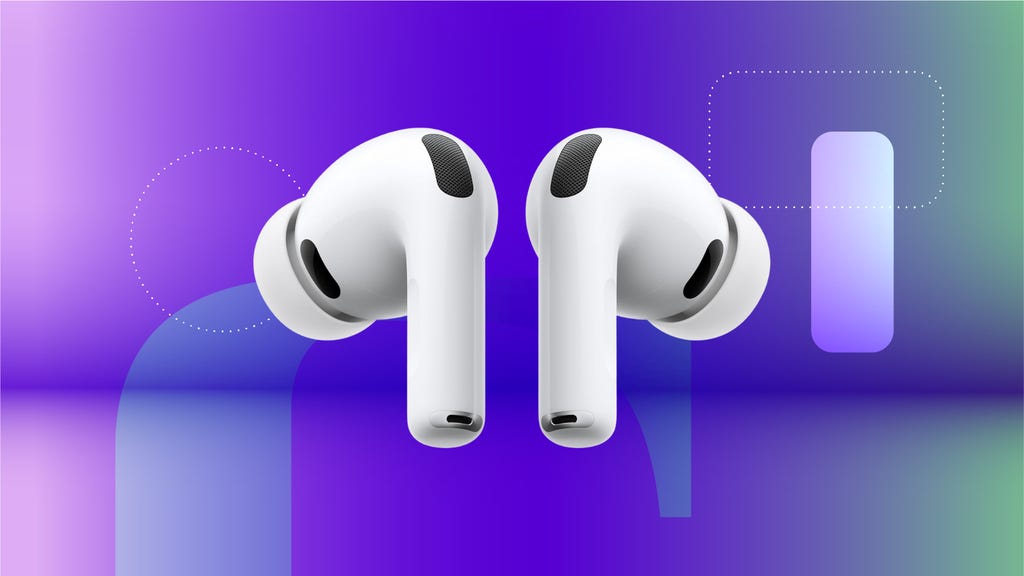
Apple's AirPods Pro 3 have heart rate sensors that sit inside the ear. Apple/CNET
Temperature follows its own rules and may even benefit from exposure to the open air. Snyder notes that a lower back placement (hello, Whoop thong) could be more susceptible to environmental interference, with body heat trapped against a chair potentially skewing readings higher than your actual temperature.
The wrist, by contrast, is more consistently exposed to ambient conditions, which may make it a more reliable location for temperature tracking than it first appears.
The wrist: Convenient and more capable than you'd think
Based on the evidence, it would seem that the wrist isn't the ideal place to measure health data.
"It's a natural location for a smart sensor in a watch format, but it's actually a pretty poor location for a PPG sensor," said Barrios. It has more cartilage and bone than a fingertip, fewer capillaries and is prone to movement interference, particularly during high-intensity exercise, he notes. It's also further from the source for certain metrics.
But convenience is worth something. Even though I know a chest strap is more accurate, I still run with just my smartwatch 99% of the time. And wearing a device around my chest to bed would be a hard pass for me. The reason wrist-worn devices still continue to dominate the market is no coincidence, and companies have now been able to compensate for some of their shortcomings.
Most modern wrist-based trackers now use sophisticated algorithms that filter out movement and other noise, achieving readings that are surprisingly close to accurate even in less-than-ideal locations.
Heart rate is the clearest example. In my own 30-mile accuracy test comparing five smartwatches against a Polar H10 chest strap, the Apple Watch Series 11 came out on top, with an error rate under 1%. Part of that comes down to how it handles intensity.
According to Snyder, who has observed similar results, the accuracy stems from the Apple Watch's algorithm, which dynamically increases heart rate sampling frequency as your effort increases.
"When you get your heart rate up there, you need the higher resolution device, and the Apple Watch is designed to actually measure more as you go to a higher heart rate," he said.
Consistency is key
The other way wearables compensate for their limitations is through consistent wear. None will ever match the accuracy of a rectal thermometer or a fingertip pulse oximeter, but those are brief snapshots. Wearables stay on for hours, often through the night, which gives their algorithms the luxury of filtering out bad readings and averaging across a much larger pool of clean data.
The catch, as Snyder is quick to point out, is battery life. Most Apple Watch models still need a daily charge, and most people (myself included) charge overnight, which is precisely the window when many health metrics are most reliably captured: resting heart rate, HRV, temperature and SpO2. It's why Snyder, despite the Apple Watch's accuracy advantage, doesn't recommend it as his go-to device.
"For most people, it really is a Fitbit or Garmin because you can keep it charged ... The best time for health monitoring is overnight," he said. The same is true for smart rings. They take less frequent readings than a watch, but their longer battery life and smaller size mean they're more likely to stay on 24/7.
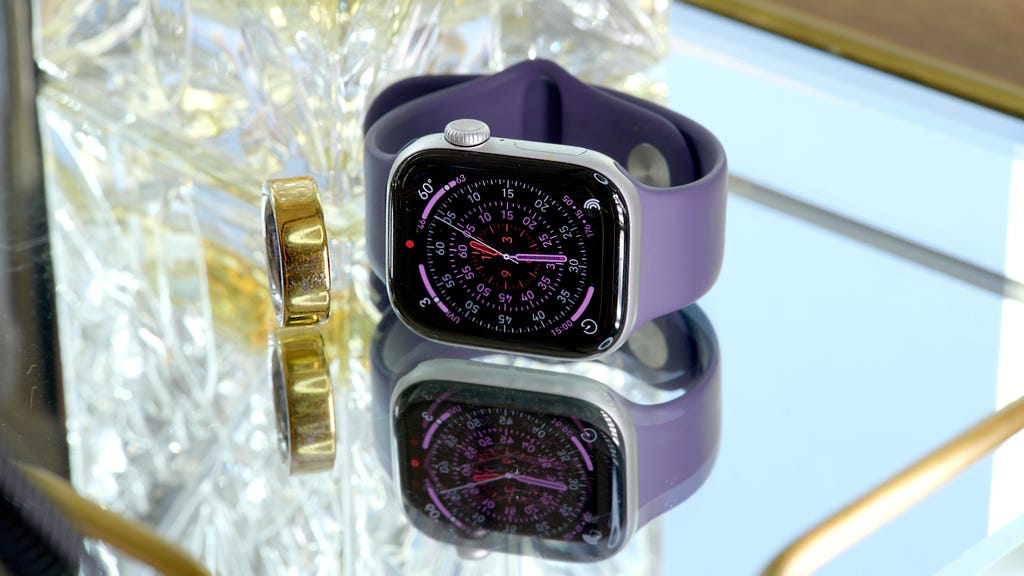
The Oura Ring lasts around a week on a charge, while the Apple Watch needs to be charged roughly every 24 hours. Celso Bulgatti/CNET
A note on your health data
Before you optimize your wearable placement, it's worth knowing what happens to the data once it's collected. Unlike health records from your doctor, most body-worn device data is not protected by the Health Insurance Portability and Accountability Act, or HIPAA, the federal law that governs medical privacy.
That means the biometric data your device collects, including heart rate, sleep patterns, menstrual cycle tracking and blood oxygen levels, can potentially be shared with third parties, used to train AI models or sold, depending on the platform's privacy policy. Policies vary significantly by company, and the disclosures are often buried in terms most people never read.
If you're relying on a wearable for anything beyond casual fitness tracking, it's worth spending a few minutes reviewing the privacy policy of whichever platform you're using and checking if there's an option to limit data sharing.
Bottom line: Where to wear your wearable
With today's wearables, sensor placement does affect reading quality, and there's no single location that's best across all metrics. But a few principles hold regardless of what you're tracking.
Getting closer to the source helps. For most people who are tracking general wellness and fitness, however, the difference is small enough that a well-designed wrist tracker can close the gap.
Fit matters as much as location. A snug wristband will outperform a loose ring. Motion artifacts are the biggest source of error in PPG sensors, and consistent contact reduces them. Many wearables now use algorithms to identify and discard corrupted data, but those algorithms work better with more clean data to pull from, which is why long-term consistent wear matters as much as where you wear it.
Fancy algorithms can do a lot of the heavy lifting, especially during high-intensity effort. Wearable devices with a higher sampling frequency -- or one that increases dynamically with intensity -- will be more accurate across the board. At rest or during sleep, a lower sampling rate is fine. During a sprint or hard interval, a device that ramps up its sampling rate captures peaks that a fixed low-resolution sensor misses entirely.
The wrist versus finger debate is largely a draw, with one exception. For everyday metrics, wrist and finger readings are within about two beats per minute as long as the fit is comparable. Where the ring falls short is during high-intensity exercise: Its smaller battery limits the sampling frequency, so it can miss sharp peaks when your heart rate is high.
And the Whoop thong? Inconclusive. No published data that I could find, and even the experts were stumped. But based on everything above, the waistline is probably not your best bet (at least in terms of accuracy). I'm not going to be ditching my smartwatch for one anytime soon. The bra clip, on the other hand, is one I might be willing to give a try.


