
 Search

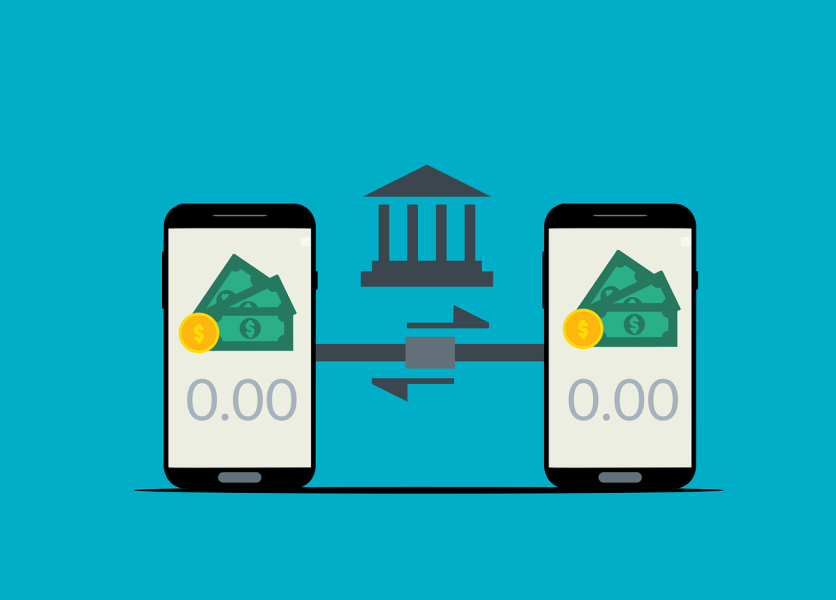
Learn how contactless payments use NFC, tokenization, and mobile wallets to move money securely from tap to ledger, with clear steps through modern payment processing. Pixabay, Mohamed_hassan
Contactless payments have become a default way to pay, from tap‑to‑pay cards to mobile wallets on phones and wearables. Contactless technology, powered by NFC, tokenization, and modern payment processing, allows a fast user experience while moving money securely from a customer's account to a merchant's ledger.
What Is a Contactless Payment and How Does It Work?
A contactless payment is a transaction completed by tapping or holding a card, phone, or wearable near a compatible terminal instead of inserting or swiping a card.
It relies on NFC (Near Field Communication), which lets two devices in close proximity exchange data securely over a very short distance. The "wave" symbol on cards and terminals indicates they support this method.
From the user's perspective, contactless is simple: check the amount, tap, and wait for the beep or green check. Behind that brief tap, a secure exchange of data is triggered, and a full payment processing chain checks the card or token, verifies funds, and records the transaction in the relevant bank and merchant systems.
NFC: The Wireless Link Behind Contactless
NFC is the wireless link that enables contactless communication between the payment device and the terminal.
It operates at a range of just a few centimeters, which limits the chance of long‑range interception and keeps the interaction focused between the two devices. When a contactless card or smartphone is near an NFC‑enabled terminal, the terminal's field powers the card chip or wakes the phone's wallet component.
Once the NFC link is active, the terminal sends transaction details and receives encrypted payment data in return. This exchange takes a fraction of a second but ensures that sensitive data is transmitted in a controlled, time‑limited session that ends as soon as the device is moved away.
Mobile Wallets and Tokenization
Mobile wallets such as Apple Pay, Google Wallet, and Samsung Wallet build on contactless technology with extra security and flexibility. Instead of storing and transmitting the actual card number, they rely on tokenization.
When a card is added to a mobile wallet, the bank or a token service provider replaces the real primary account number with a unique token tied to that device and card.
During a contactless transaction with a mobile wallet, the device sends this token plus a one‑time cryptogram generated for that specific payment. Because the real card number is never shared with the merchant, tokenization greatly reduces exposure of sensitive data.
Device‑level security, like biometric authentication and secure hardware elements, adds further protection if the phone or wearable is lost or stolen.
Step‑by‑Step: From Tap to Authorization
Although contactless payments feel instant, the payment processing path involves several clear steps:
- The merchant's point‑of‑sale system calculates the total and displays it on an NFC‑enabled terminal, which signals it is ready for a contactless payment.
- The customer taps a contactless card or holds a mobile wallet‑enabled device near the reader, activating the NFC handshake.
- The card or mobile wallet sends payment data. With a physical card, the chip transmits encrypted account details and dynamic transaction data. With a mobile wallet, tokenization replaces the card number with a device‑specific token and one‑time cryptogram.
- The terminal forwards the packaged transaction data, amount, merchant details, and card or token information, to the acquiring bank or payment processor.
- The acquirer routes the request through the card network to the issuing bank that holds the customer's account.
- The issuer checks that the card or token is valid, confirms available funds, and runs fraud checks, then returns an approval or decline.
- The response flows back through the network to the terminal, which displays "approved" or "declined" and provides a visual or audible confirmation to the customer.
In seconds, contactless, NFC, tokenization, mobile wallets, and payment processing work together to make a tap at the terminal equal a verified authorization.
Read more: Gunzilla CEO Defends Payment Claims, Crunch Culture Amid Employee Back Pay Allegations
From Authorization to the Ledger
Authorization is only the first part of the transaction life cycle. After approval, the amount is reserved on the customer's account, but final settlement and ledger entries come later. Throughout the day, the merchant's transactions, whether from contactless taps or other methods, are batched and sent for clearing.
During clearing and settlement, acquirers, issuers, and card networks exchange transaction files and move funds from the issuing bank to the acquiring bank.
Once settlement completes, the merchant's account is credited, and the customer's account shows the posted charge rather than a pending hold. On both sides, internal accounting ledgers update to reflect revenue received and funds spent.
Security Layers in Contactless and Mobile Wallet Payments
Security is built into each part of contactless payment technology. NFC's short range and brief communication window reduce the risk of interception. EMV‑based contactless cards generate dynamic data for each transaction, unlike static magnetic stripe data.
Tokenization in mobile wallets ensures that merchants and terminals never store actual card numbers, limiting exposure in the event of data breaches.
Device‑level protections, such as biometrics, secure elements, and remote locking, further protect mobile wallets. Banks and card networks add real‑time fraud monitoring and may impose thresholds or extra checks for certain contactless transactions. Together, these measures balance ease of use with strong defenses against misuse.
Contactless Payment Technology and the Future of Everyday Spending
Contactless payment technology, rooted in NFC, tokenization, mobile wallets, and modern payment processing, has reshaped everyday spending by making transactions faster without discarding security.
As more consumers shift to tap‑to‑pay and digital wallets, this mix of encrypted communication, device‑based security, and efficient back‑end processing is set to remain central to how money moves from tap to ledger in the years ahead.
Frequently Asked Questions
1. Can I use contactless payments without an internet connection on my phone?
Yes. Most mobile wallets can complete contactless payments offline for a limited number of transactions because the necessary tokens and cryptograms are stored securely on the device.
2. Do contactless payments work differently for credit cards and debit cards?
The contactless process is technically similar for both; the main difference is how the issuer handles funds, credit adjusts your available credit line, while debit moves money from your bank balance.
3. Will my contactless transaction still go through if I move my card or phone too quickly?
If the NFC connection is interrupted too soon, the terminal may not receive complete data, and the payment will fail, requiring another tap or an alternative method.
4. Can I choose which card my mobile wallet uses for contactless payments?
Yes. Most mobile wallets let users set a default card and switch cards within the app before tapping, so the preferred account is used for that transaction.
Read more: APIs for Non Developers and How Integration and Endpoints Power Smooth App Communication and Data Exchange

-
 C114 Communication Network
 -
 Communication Home
