
 Search

(Image credit: Future)
Samsung’s Galaxy A series is a haven for people who want a Samsung Galaxy S phone but can’t afford one. And the Galaxy A57 is the top member of this particular family.
You get similar style and construction, just for less money. A Galaxy A57 starts at less than half the price of a Galaxy S26 Plus, for example. That’s a heap of saved moolah.
This phone mostly only makes sense if you’re more obsessed with Samsung style than value, though. Companies like Nothing and Xiaomi offer greater specs for similar money, and even giants like Google and Apple trash the Samsung Galaxy A57 for raw gaming power, with the Pixel 10a and iPhone 17e.
The Samsung Galaxy A57 is therefore not a phone for tech nerds. But it is potentially a great fit for people who have absolutely no interest in Fortnite or benchmark results, and would prefer an Android that looks and feels nice, not to mention extremely Samsung-y.
Price & Availability
The Samsung Galaxy A57 was announced in March 2026 and is available now. There are two key versions of the phone: Samsung’s entry-level model, which is far easier to recommend, costs £529 / $549 / AU$749 and has 8GB RAM, 512GB storage. The step-up version has 12GB RAM, 512GB storage, but costs a chunk more.
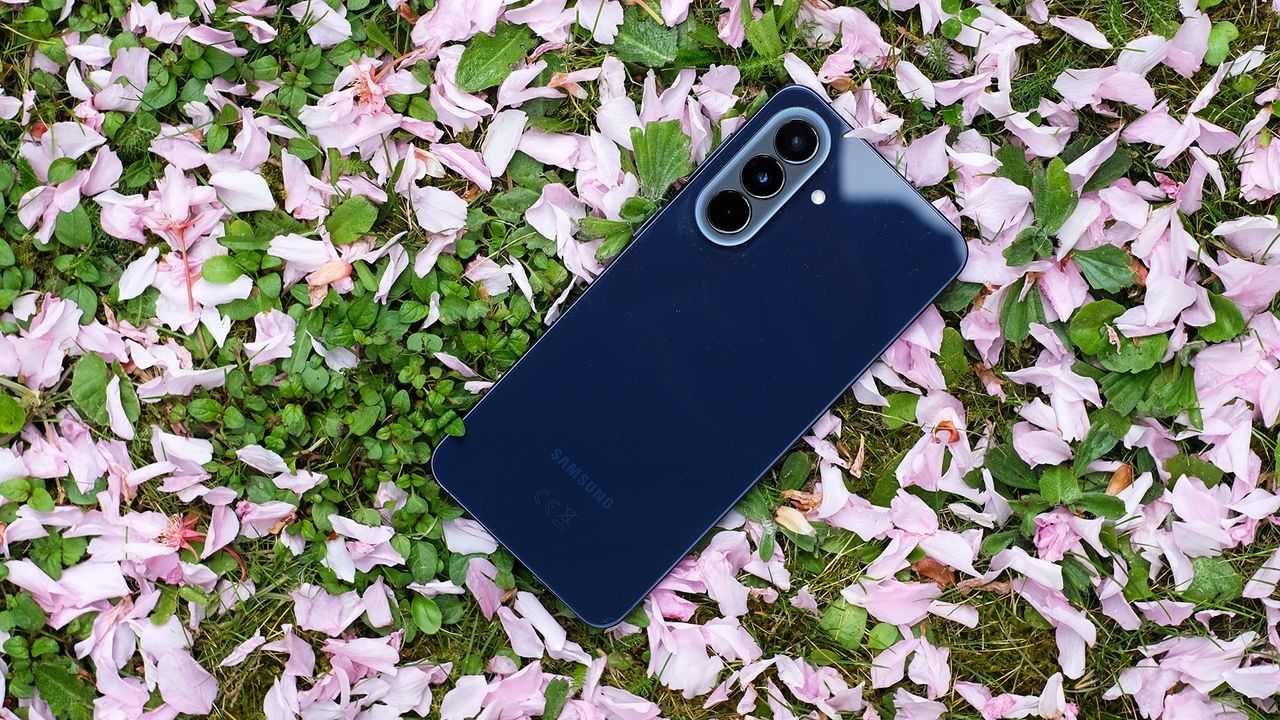
Both versions come in four somewhat cringingly-titled colours: Awesome Navy, Awesome Gray, Awesome Lilac and Awesome Icyblue. What you see here is the navy Galaxy A57 – just trust your own eyes on whether it’s 'awesome' for your taste or not.
Design
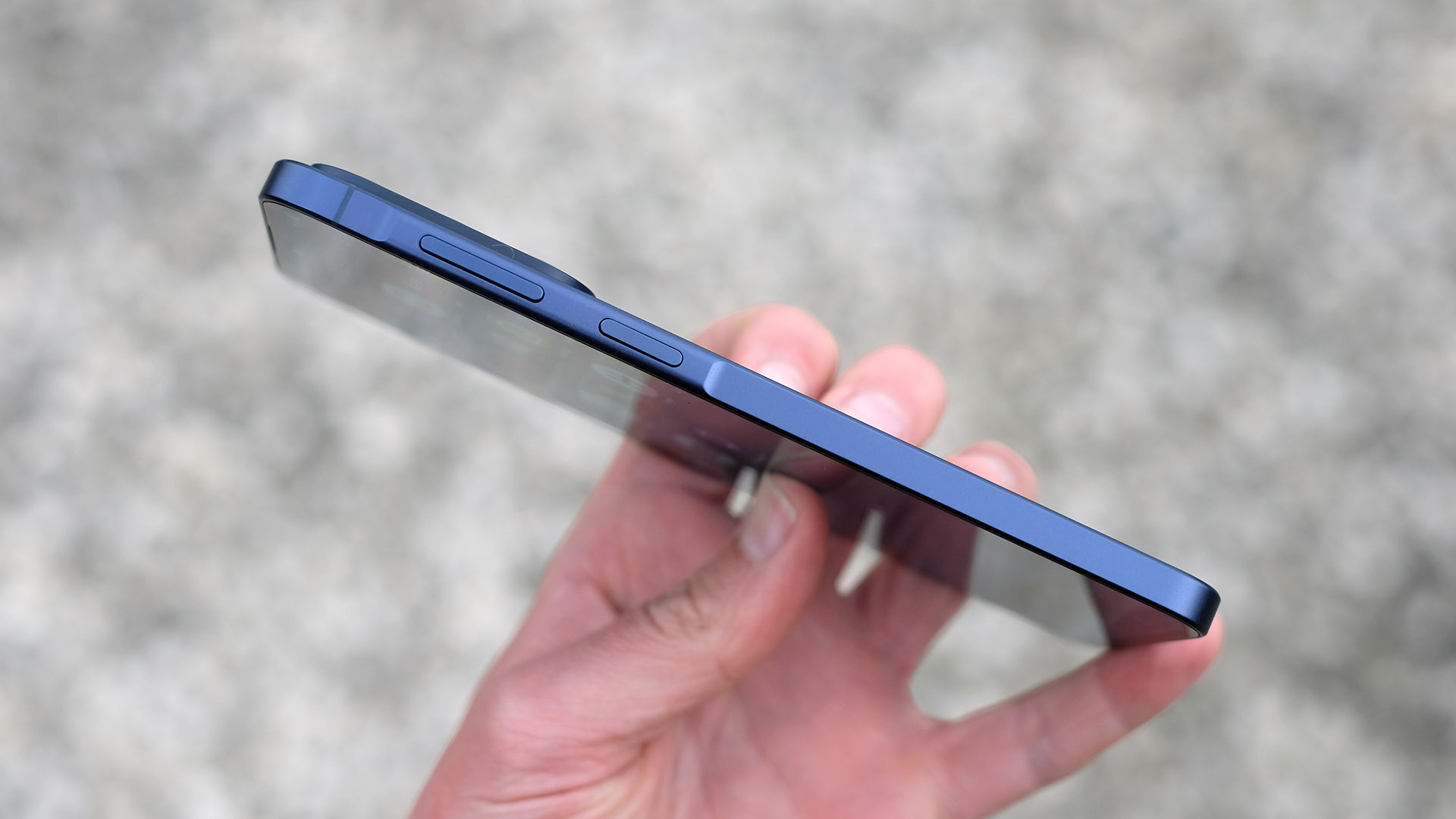
- Gorilla Glass Victus+ front and back, aluminium frame
- 6.9mm thick / 179g
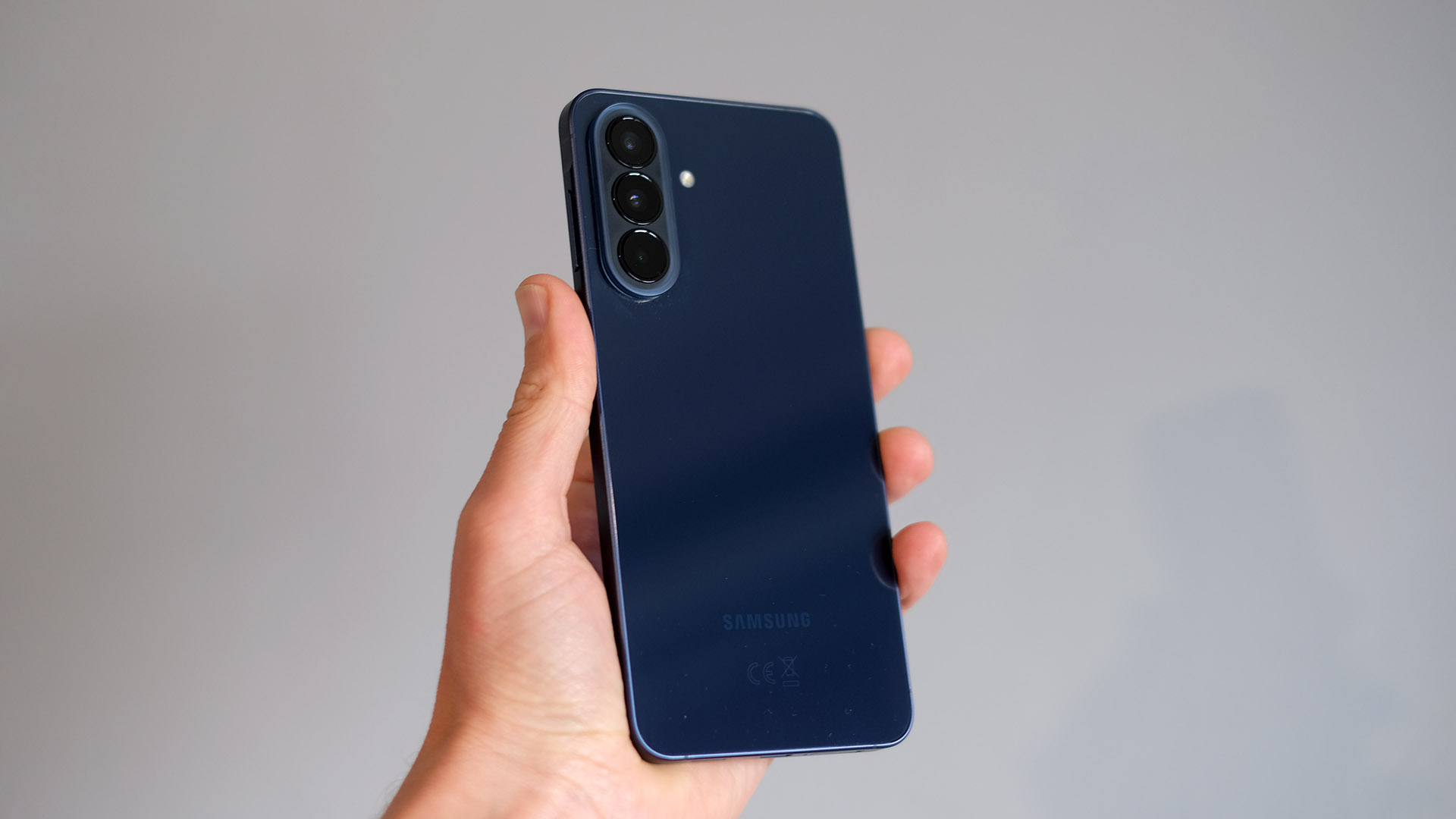
When you’re shopping for a mid-range phone, you basically just have to make sure what the maker is going for aligns with what you’re after. Want power? Pick a Poco. Want something unusual? That’ll be a Nothing. The Samsung Galaxy A57 is, and I mean this in the nicest possible way, for those with shallower concerns.
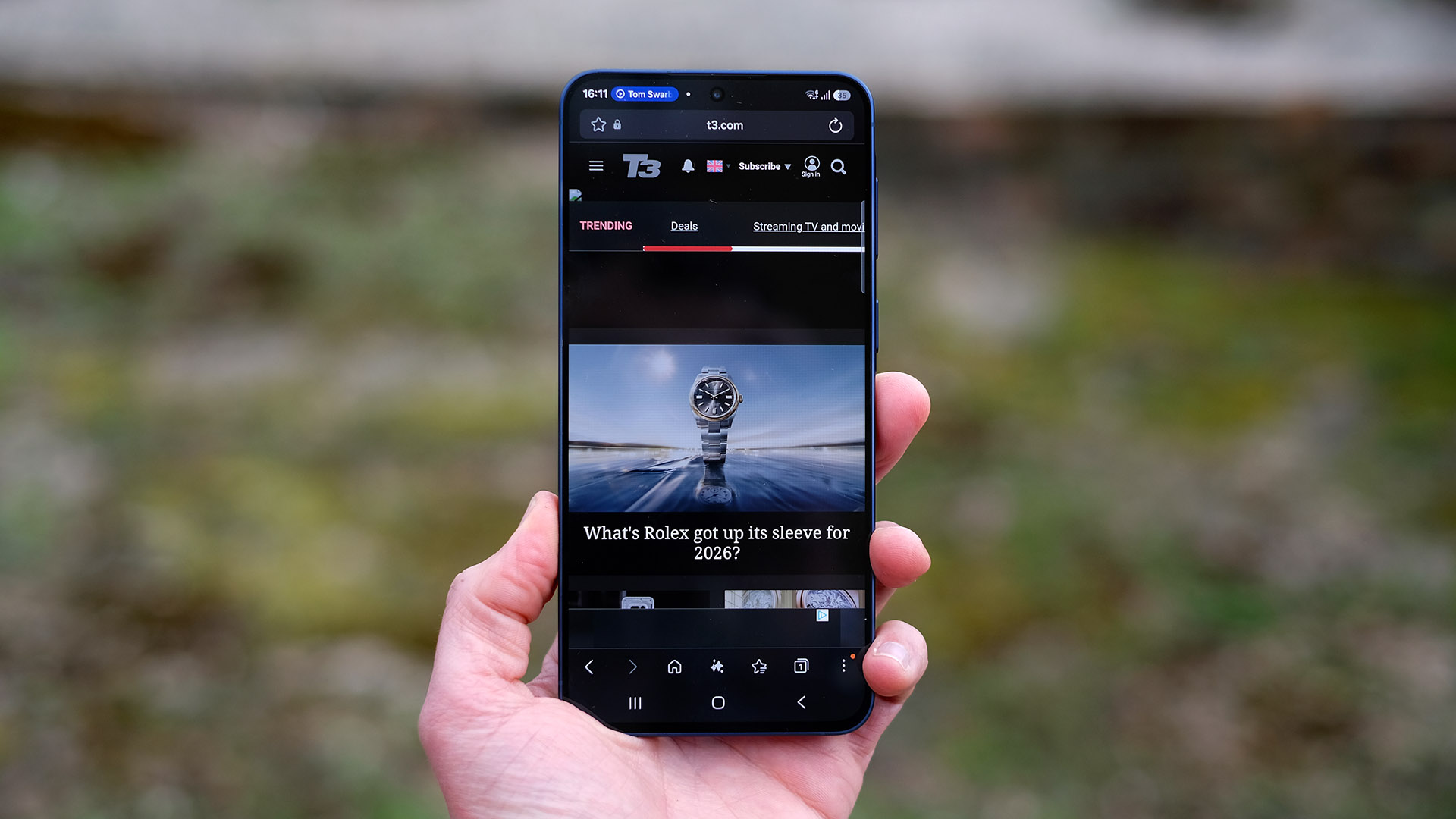
The Samsung Galaxy A57 looks and feels pretty expensive, and it’s not just a case of blinging up a cheap design. This phone has fantastic Corning Victus+ glass (just a step below the very best) both front and back, and has metal sidewalls. No major plastic bits to be found.
I think the vast majority of people will just assume you bought a Galaxy S-series phone when you whip one of these out of your pocket. Like the top Samsung handsets, the Galaxy A57 has straight square-like sides, with just a little contouring to the corners for a softer feel. But as the phone is only 6.9mm thick, it doesn’t feel like a brick.
The one giveaway this isn’t actually a top Samsung requires an informed eye. While the Samsung Galaxy A57 screen borders are slim, they are not 100% even, with a tiny bit more blank space at the bottom. I appreciated the balanced-border look of the Galaxy S26 Plus when I used it a few weeks ago.
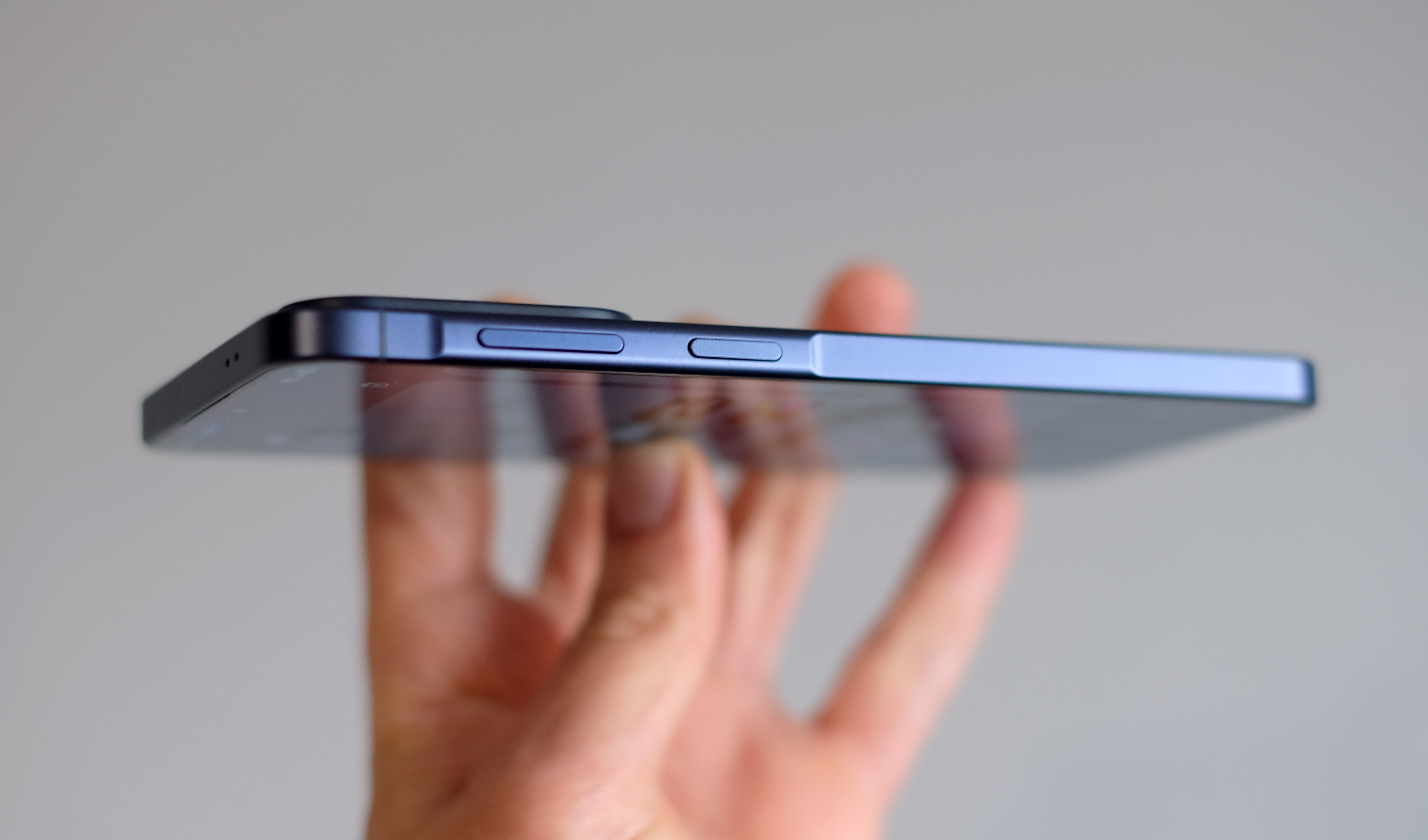
There’s only really one aesthetic issue here, though. The Samsung Galaxy A57’s glass back may be more resilient than most, but its glossy finish picks up obvious fingerprint marks and smudges rapidly. Matte or frosted glass doesn’t.
I also find the Samsung Galaxy A57’s in-screen fingerprint scanner noticeably slower than the S26 Plus’ equivalent. The differences are there when you go looking for them. And not all similarities are positive either. Samsung, as usual, doesn’t factory-apply a screen protector or a supply a case – we’re in that danger zone where you can scratch up your phone on day one. You’ve been warned.
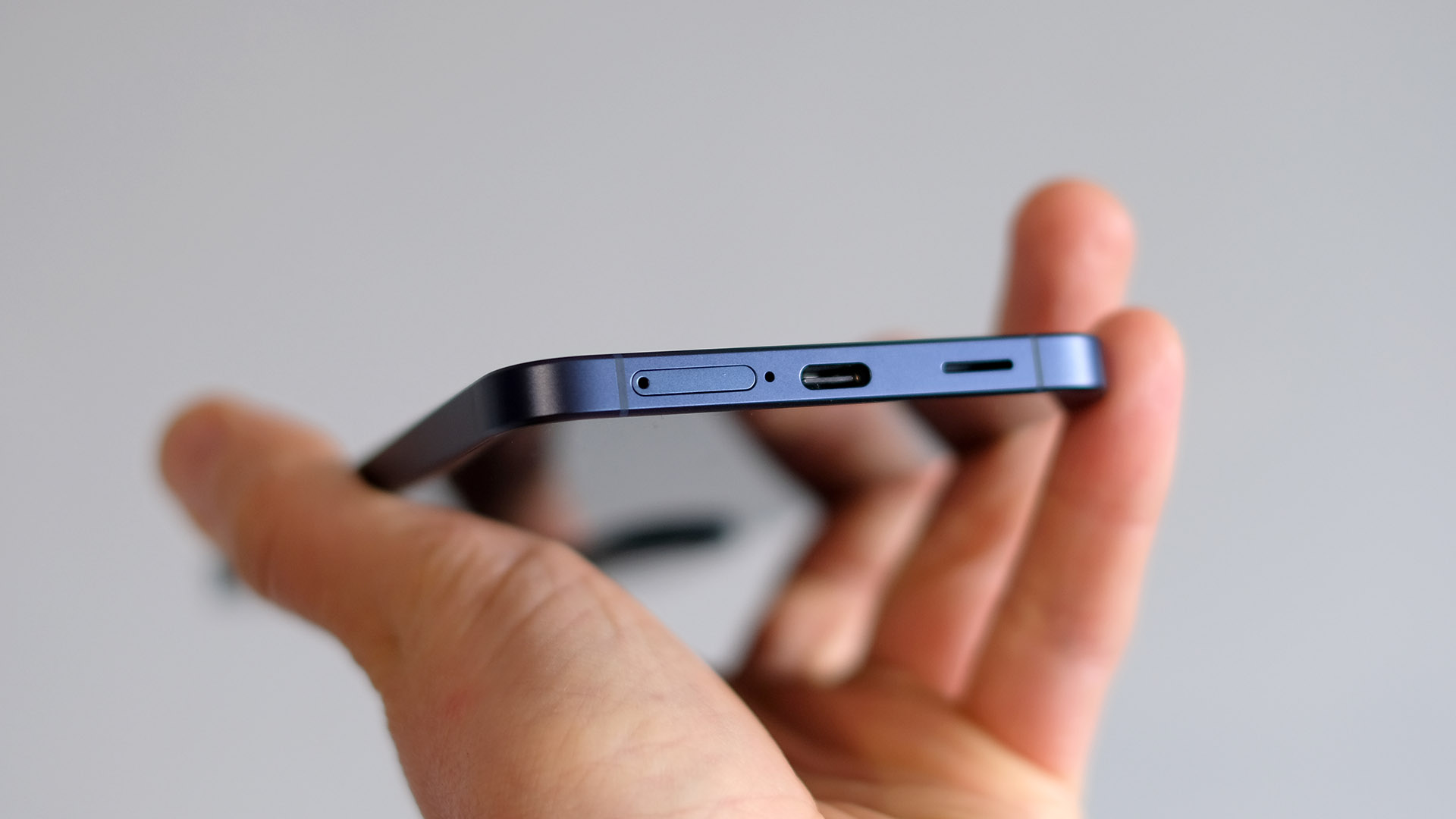
Other usual rules apply too – no memory card, no headphone jack, and the amount Samsung charges for a bump from 256GB to 512GB (and 4GB more RAM) makes the higher-end version a bad deal, frankly.
The phone does have a good set of speakers, though. They are well above the mid-range norm and sound fuller and smoother than, for example, the Motorola Edge 70 Fusion’s. Great for podcasts or for some casual music listening while you cook dinner.
Display
- 6.78-inch Super AMOLED+ panel
- Corning Gorilla Glass Victus+
- 120Hz max refresh rate
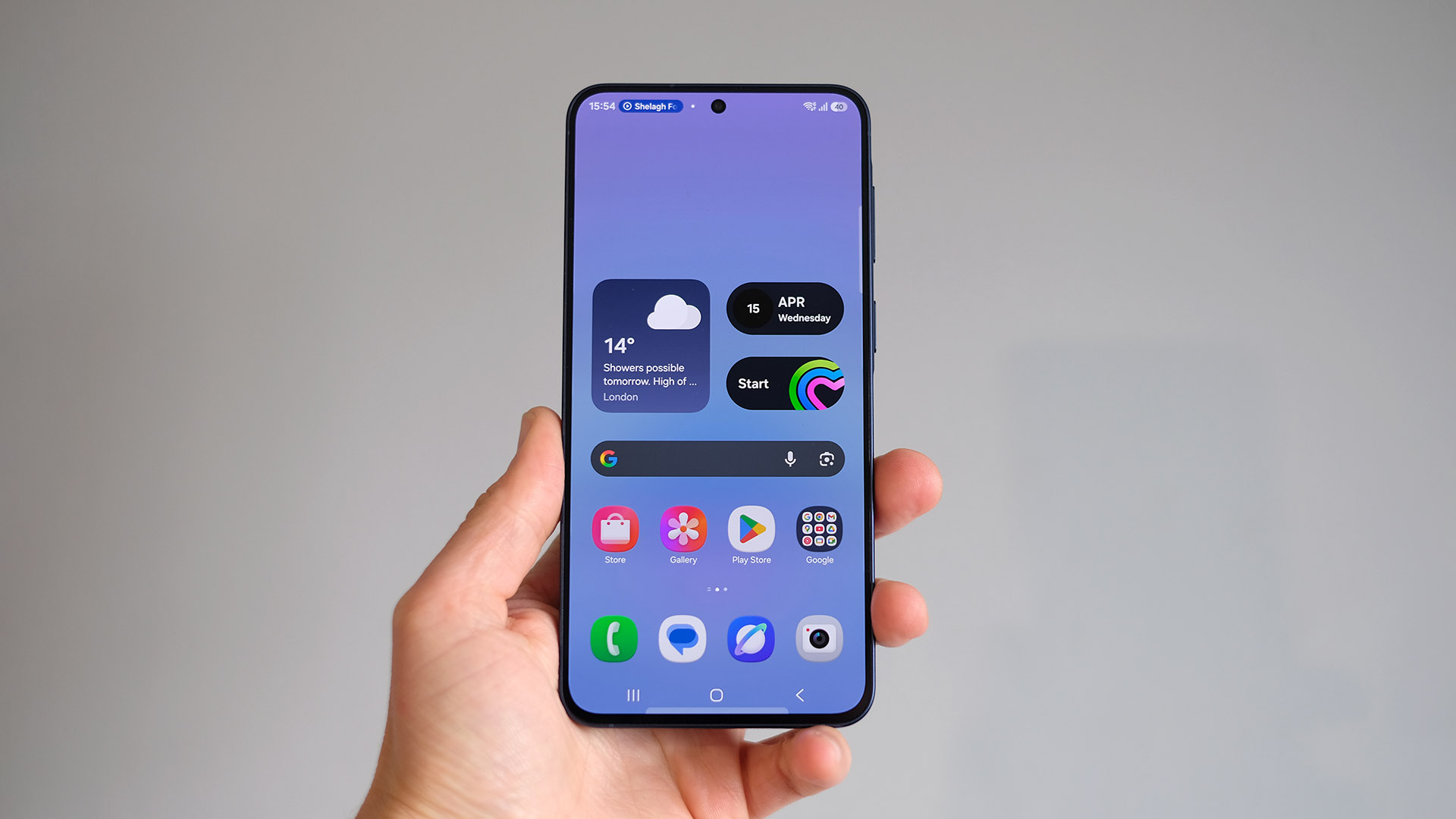
The Samsung Galaxy A57 has a 6.7-inch Super AMOLED+ screen. And while that screen tech name is basically marketing spiel, the “+” bit at the end is actually meaningful.
It means the Galaxy S57 doesn’t use a PenTile arrangement screen, the culprit behind a lot of older OLED screens looking fuzzier than you might expect.
It’s a big win for the A57 because it only has resolution of 2340 x 1080 pixels. But thanks to having a – nerd alert! – higher number of sub-pixels per pixel cluster, you don’t actually end up missing the extra pixels too much.
It’s a smooth and sharp-looking screen that isn’t that clearly a major downgrade from the Galaxy S line.
The usual Samsung AMOLED highlights apply too. Great contrast, class colour, and this particular panel has a solid 120Hz refresh rate.
Samsung claims this thing can reach 1900 nits peak brightness, a little below the 2600 nits of the Galaxy S26 Plus. The most I’ve measured is 1195 nits, when displaying HDR video. But in person it comes across nice and bright.
Performance
- Samsung Exynos 1680 processor
- Android 16 with One UI software
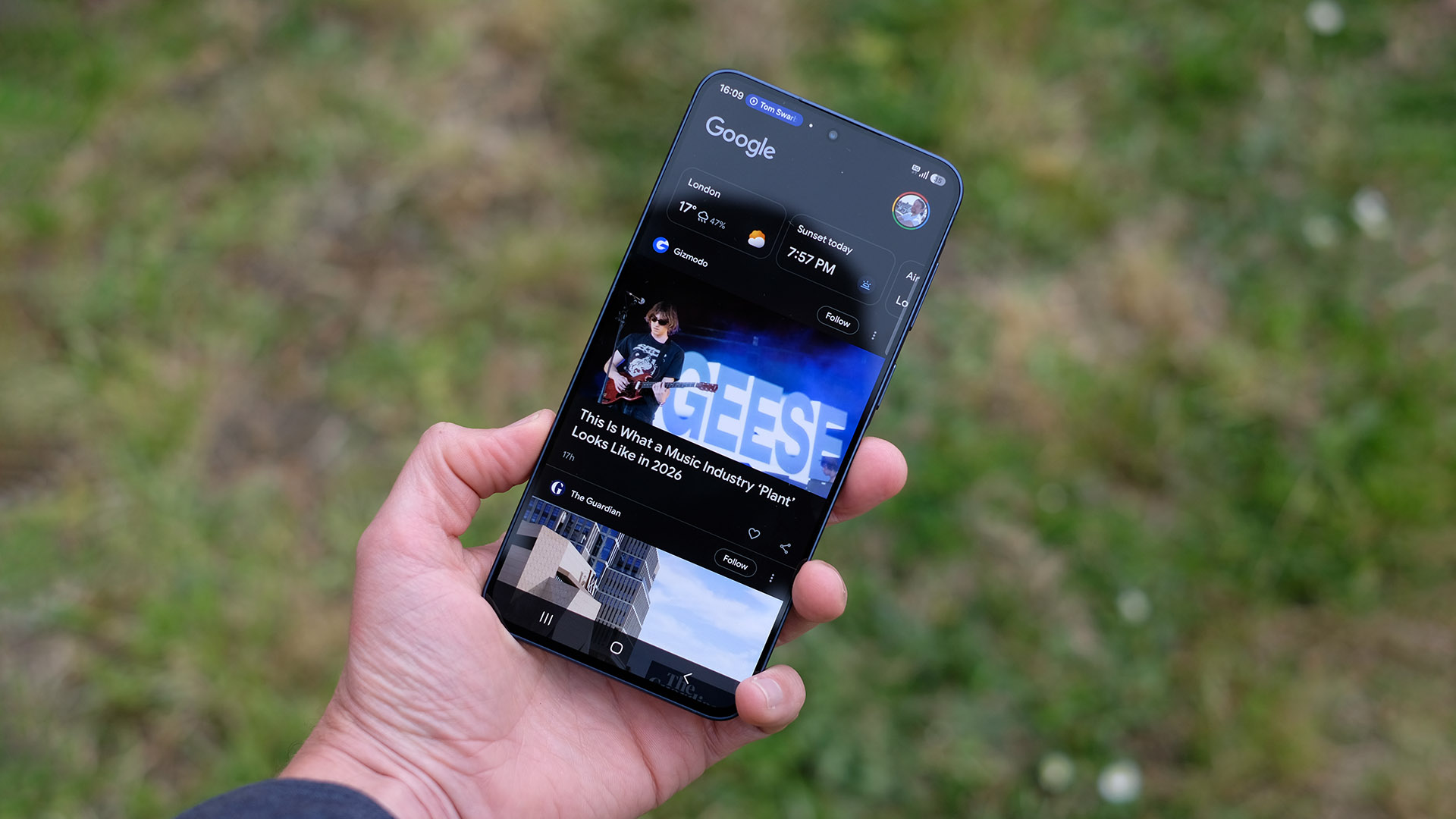
Samsung’s Galaxy A57 has an Exynos 1680 processor made by Samsung itself. It leaves the phone with a pretty poor power-per-pound score but, thankfully, pretty much entirely satisfying real-world performance.
The much cheaper Xiaomi Poco X8 Pro wipes the floor with this phone. And while that’s a bit of an outlier – as Poco handsets tend to offer borderline ridiculous power for the money – plenty of others outclass the Galaxy A57 too.
The Google Pixel 10a’s Tensor chip is far better for gaming. The Nothing Phone 4a Pro beats it too. And the Galaxy A57’s performance is really closer to the much cheaper Nothing 4a, which is significantly cheaper.
The good news is you don’t really feel this lack of power day-to-day. Sure, the camera and fingerprint reader are slightly less snappy than those of the Galaxy S26 Plus, but the Android software in general is smooth and responsive.
While I was playing Fortnite, it showed its limits, but even there the results weren’t catastrophic. While the game is limited to 30fps when you whack up the graphics settings, and the frame rate is a dumpster fire during the first zoomed-out stage of a round, actual play is mostly at 30fps.
The Samsung Galaxy A57 is clearly not a great choice for big mobile gamers. A Xiaomi Poco X8 Pro Max is far better for that role, but the Samsung isn’t allergic to games. And when you’re not testing its limits with a demanding game, you don’t feel a day-to-day lack of power here.
It runs Android 16 with Samsung’s One UI 8.5 interface, a now very familiar combo that feels smooth and has the best bit of artificial intelligence software magic you get with Samsung’s more pricey phones. Top of the list is the Object Eraser feature in the photo editor.
Camera
- Main: 50-megapixels, f/1.8 aperture, image stabilisation (OIS), 1/1.56in sensor
- Ultra-wide: 12MP f/2.2 1/3.06in sensor
- Macro: 5MP f/2.4
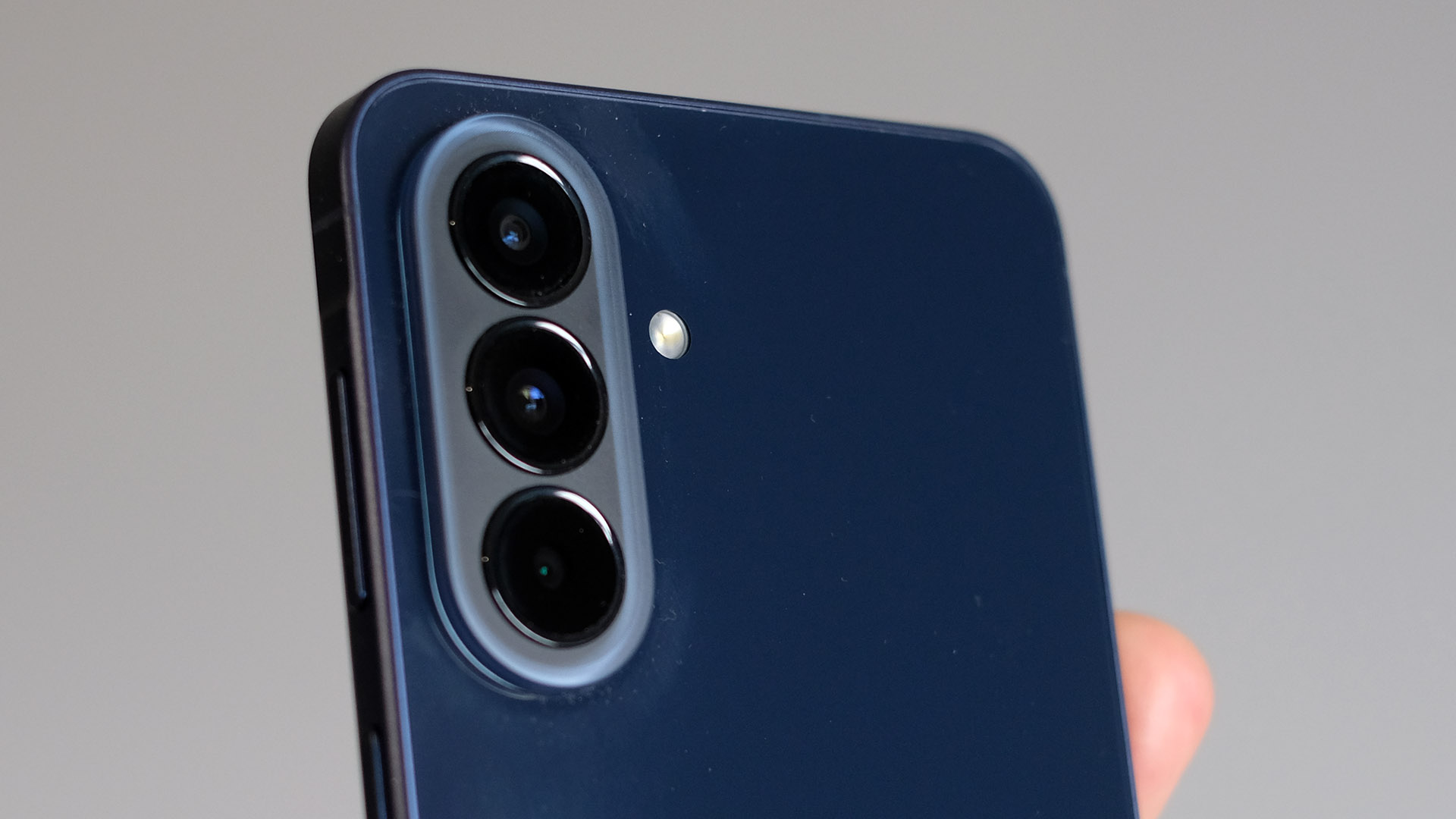
The Samsung Galaxy A57 has three rear cameras but suffers from the same issue that affects many mid-range phones: not all of them are that good.
Front of the queue is a 50-megapixel sensor with raw specs devilishly similar to those of the Galaxy S26 Plus and, sure, last year’s Galaxy A56. Responsiveness is a top calling card, it feels slick and fast during the day, down to the way the reaction of the shutter animation and sound is designed to relay that same fast feel.
Shooting at night feels significantly slower, with generally a 2-second capture processor per pic. This used to be the norm back in the early days of phones being actually solid at taking night photos, but the high-end crowd tends to feel far quicker nowadays.
There are some other signs we’re not dealing with a top-flight image-signal-processor (ISP) though. Sometimes the HDR processing doesn’t quite kick in as well as it should, leaving significant dark shadowy areas and some overexposed parts. I wouldn’t be surprised if this is fixed in a software update, though, as the Samsung Galaxy A57 is clearly up to the job of maxing out dynamic range with software magic.
Detail in the Samsung Galaxy A57’s standard 12.5-megapixel photos isn’t obviously impressive. And while there is a 50MP mode, its main benefit is in producing shots with a slightly less smoothed and processed appearance – handy for prints or crops. But you’re not getting bundles of real, legit extra detail. If you were, it would be a failure of the phone’s 12.5MP image processing, after all.
The overall photo tone here is great. Images look clean and pleasing, and don’t look obviously synthetic and over-processed by the standards of mid-tier Android handsets.
But, you guessed it, things take a but of a dip with the secondary cameras. The Samsung Galaxy A57’s 12MP ultra-wide takes solid if slightly soft images during the day, and the pics take a turn to fuzzy town noticeably sooner than the primary camera in poor lighting. This is nothing out of the ordinary, and to be expected when the sensor is a way smaller chip.
The third camera is the one at risk of ending up in the “filler cam” bin, not least because you have to hunt down the macro mode that actually uses it. This is a 5MP macro camera for close-up shooting. It does the job of capturing finer detail than the main camera, at least at first glance. However, when you can get pretty close using the main camera zoom mode, and image quality isn’t all that impressive.
Expect as little as you can of the Samsung Galaxy A57’s zoom ability. There is no zoom camera, so the best we get is a slightly smart digital zoom, and while it holds up well enough at 2x, anything far beyond that turns to mush.
Video is the typically drab stuff of today’s mid-range tier. Just like the Galaxy A51 from 2020, 4K at 30 frames per second is your top mode. 60fps only unlocks at 1080p. Those limits are at least shared across the ultra-wide and wide, meaning you can flick between the two views during capture.
The last Samsung Galaxy A57 camera is the 12MP selfie cam. This one is pretty good in this class, capable of capturing fairly natural and respectably detailed pics.
Battery Life
- 5000mAh capacity
- 45W wired charging
Mobile phones are currently in the midst of a silicon-carbon battery revolution, letting them reach far higher capacities without adding much, if any, bulk. But it’s business as usual with the Samsung Galaxy A57, which has a plain old 5000mAh lithium-ion cell.
No surprise here, its real-world battery life is familiar. It will reliably get most people through the day, but there’s not an extra buffer here for the hardcore crowd, and I don’t think many people are really going to get two full days of use between charges.
It’s real-world stamina is decent enough, though. I tend to end up with around 20-25% battery left by bedtime, although I’ve got into the habit of topping it up a bit before a night out.
If you buy a Galaxy A57, allow it a few days to settle in, as the battery life was dreadful to start with – only improving significantly after around three days of testing.
The Samsung Galaxy A57 supports up to 45W charging, which gets you to 50% charge in 22 minutes. According to my power meter, though, it has bouts of dropping to just 10W later in the charge cycle when the phone gets warm, leading to a pretty long zero-to-100 per cent charge time of an hour and 19 minutes.
There’s no wireless charging here either. You’re cable-bound. And you'll need to supply your own plug, as one isn't included in the box.
Samsung Galaxy A57 review: Verdict
It’s a bit of a funny situation, but the truth of the Samsung Galaxy A57 is that while it’s basically a cheaper alternative to the top dogs, it mostly makes sense as a buy if you don’t care too much about value.
Most other phones at this price are far more powerful, and some are more overtly feature-packed. And while Samsung hits back with top-quality construction and materials, that may not quite be enough for some.
Highlights include a solid primary camera and good speakers, but Samsung really needs to get up-to-date with battery tech to make the next Galaxy A phone like this a real competitor for the less geeky shopper working to a sensible budget (same can be said of the S series too).
That said, though, I’ve enjoyed using the Galaxy A57 more than some of its more value-packed rivals because of that extra attention to the basics I notice every day. And that'll go a long way for many prospective buyers.
Also Consider
There’s no shortage of phones in this category, and plenty offer something the Samsung Galaxy A57 doesn’t quite have. The biggest names are the Pixel 10a, which we loved for its slickness and camera quality. And you can even get an iPhone for not all that much more, in the iPhone 17e.
Or if you like the idea of getting better value, the Nothing Phone 4a is worth a look. It costs less, has a zoom camera and somewhat similar performance. But the design, while striking, is less high-end as the sidewalls are plastic and the glass panels are less tough.
If you do want something much like this that’s also likely a better deal, check for a bargain buy Samsung Galaxy S25 FE. It has a better camera array, more power, and may be available for similar money online.

-
 C114 Communication Network
 -
 Communication Home
