

 Search

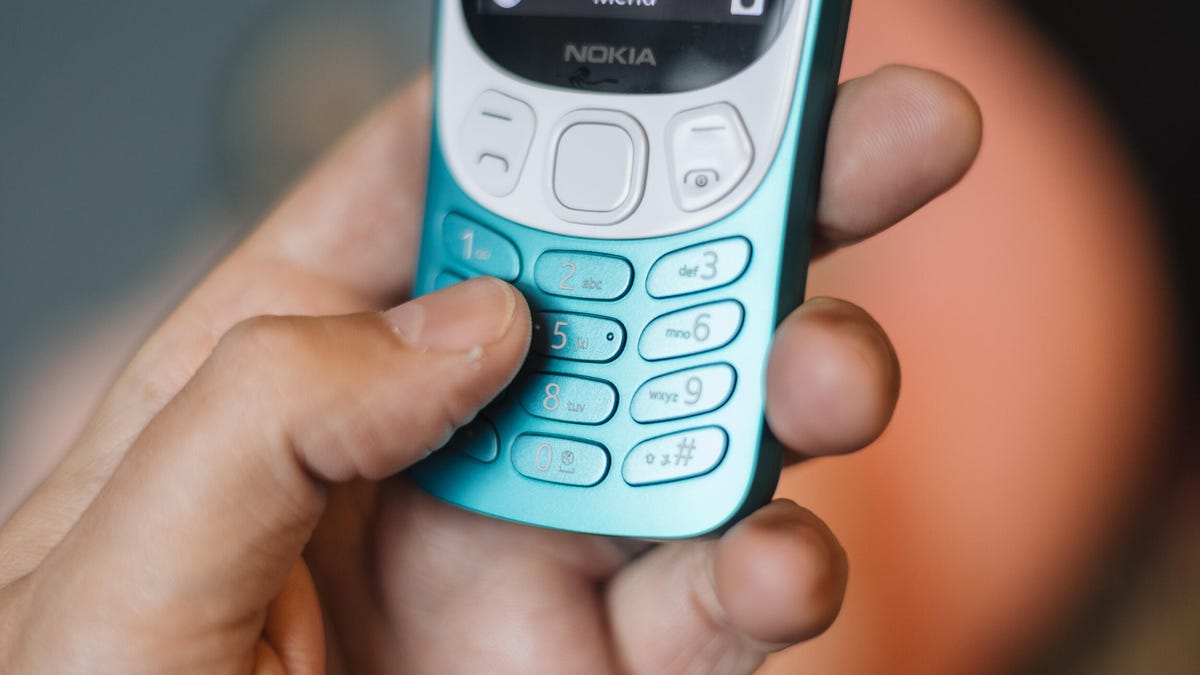
If you're planning a trip abroad this spring, you should think about what's sitting in your pocket. US Customs and Border Protection agents have been leaning harder into device searches over the past year, and the quick lock-screen peek is no longer the worst-case scenario. Agents are pulling out forensic tools that can clone your phone and pick through everything on it -- messages, photos, app data, the whole archive. That applies to US citizens coming back to the country, too, not just visitors.
The stats are genuinely concerning. In the last fiscal year, CBP searched over 55,000 devices, and over 4,000 of those got the deep forensic treatment with software built to extract everything, including data you might have deleted. If you're traveling with your primary phone, you're basically carrying your entire digital existence, including banking apps, private chats, work files and your camera roll, into a legal gray zone where privacy is no guarantee.
The fix is almost too simple: a burner phone. You can swap in a cheap, stripped-down device for the trip and your real data will stay safely on a shelf at home while you still get to call an Uber or text your hotel. But privacy isn't the only perk. Moving to a "dumb" phone is the ultimate digital detox, helping you escape the notification trap that usually ruins a vacation.
Even public figures like Conan O'Brien have ditched the smartphone to cut through the noise. Whether you're dodging invasive border searches or just trying to enjoy your trip without being glued to a screen, a burner might be the best travel investment you make this year.
Although carriers have offered prepaid phones since the '90s, "burner phones" or "burners" became popular in the 2000s following the celebrated HBO series The Wire, where they helped characters avoid getting caught by the police. Although often portrayed in that light, burners aren't only used by criminals; they're also used by anyone concerned with surveillance or privacy infringement.
What is a burner phone, and how does it work? Here's everything you need to know about burners and how to get one.
Don't miss any of our unbiased tech content and lab-based reviews. Add CNET as a preferred Google source.
What is a burner phone?
A burner phone is a cheap prepaid phone with no commitments. It comes with a set number of prepaid call minutes, text messages or data, and it's designed to be disposed of after use.
Burner phones are typically used when you need a phone quickly, without intentions of long-term use. They're contract-free, and you can grab them off the counter. They're called burner phones because you can "burn" them (trash them) after use, and the phone can't be traced back to you, which makes them appealing to criminals. Of course, those committed to illicit activities often do more than just throw these phones in the trash, and often completely obliterate the SIM cards and other materials by smashing them with a hammer or melting them away.
Burners are different from getting a regular, contract-bound cellphone plan that requires your information to be on file.
Why should you use a burner phone?
Diy13/Getty Images
Burner phones are an easy way to avoid cellphone contracts or spam that you get on your primary phone number. Burners aren't linked to your identity, so you can avoid being tracked down or contacted.
You don't have to dispose of a burner phone after use. You can add more minutes and continue using it. Burner phones can still function as regular phones, minus the hassle of a contract.
You can also get a burner phone as a secondary phone for a specific purpose, like having a spare phone number for two-factor authentication texts, for business or to avoid roaming charges while traveling. Burner phones are often used by anyone concerned with privacy.
Burner phones, prepaid phones, smartphones and burner SIMs: What's the difference?
Burner phones are cheap phones with simple designs that lack the bells and whistles of a smartphone. Because they're designed to be disposable, you only get the essentials, as seen by the most common version, the flip phone.
All burner phones are prepaid phones, but not all prepaid phones are burners. What sets a burner apart is that you won't have to give away any personal information to get one, and it won't be traceable back to you. Again, a burner phone is cheap enough to be destroyed after use.
Prepaid smartphones are generally low-end models. You can use any unlocked smartphone with prepaid SIM cards, essentially making it a prepaid phone.
If you want a burner, you don't necessarily have to buy a new phone. You can get a burner SIM and use it with an existing phone. Burner SIMs are prepaid SIMs you can get without a contract or giving away personal information.
Where can you buy a burner phone?
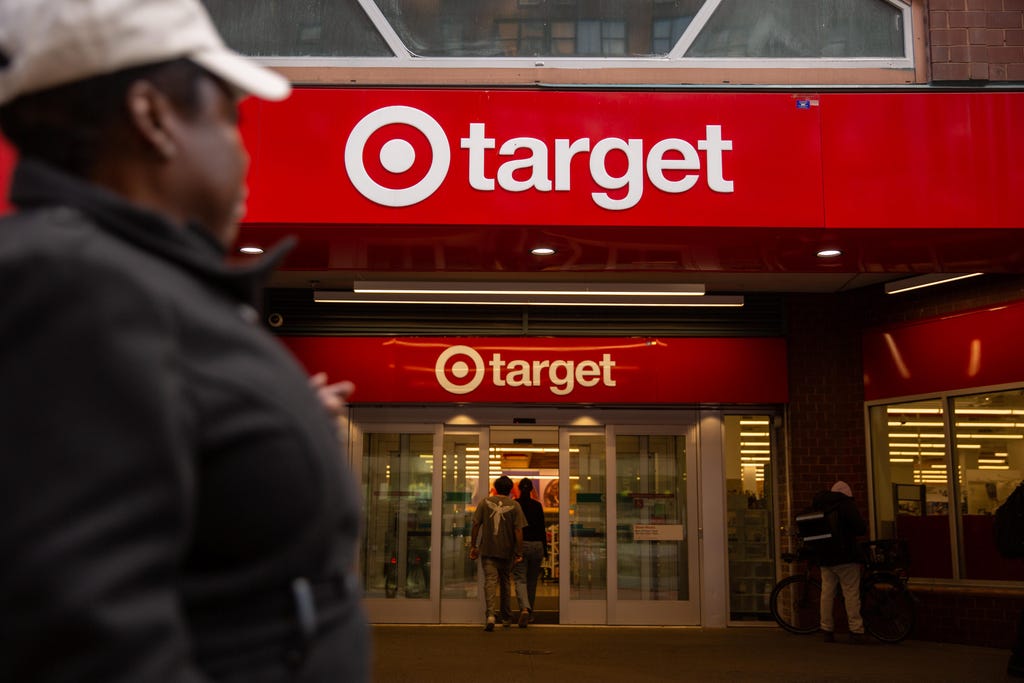
Burner phones are available at all major retailers. Shelby Knowles/Bloomberg/Getty Images
Burner phones are available at all major retail outlets, including Best Buy, Target and Walmart. They're also often available at convenience stores like 7-Eleven, local supermarkets, gas stations and retail phone outlets like Cricket and Metro.
You can get a burner phone with cash, and it should cost between $10 and $50, although it may cost more if you get more minutes and data. If you're getting a burner phone specifically to avoid having the phone traced back to you, it makes sense to pay with cash instead of a credit card.
If you just want a prepaid secondary phone, you can use a credit card. Just keep in mind that credit cards leave a trail that leads back to you.
There are also many apps that let you get secondary phone numbers, including Google Fi and the Burner app. However, these aren't burners necessarily because the providers typically have at least some of your personal information. Additionally, apps like Google Voice require a phone number that's already in use for you to choose a number with the service.
If you're just looking to get a solid prepaid phone without anonymity, check out our full guide for the best prepaid phone plans available. We also have a guide for the best cheap phone plans.


