
 Search

Adobe Stock
- Doorstep theft nearly doubles to £376.6 million
- Comprehensive security systems like Dahua Technology's provide around-the-clock protection.
- One Essex community shows how smart security solutions can turn the tide
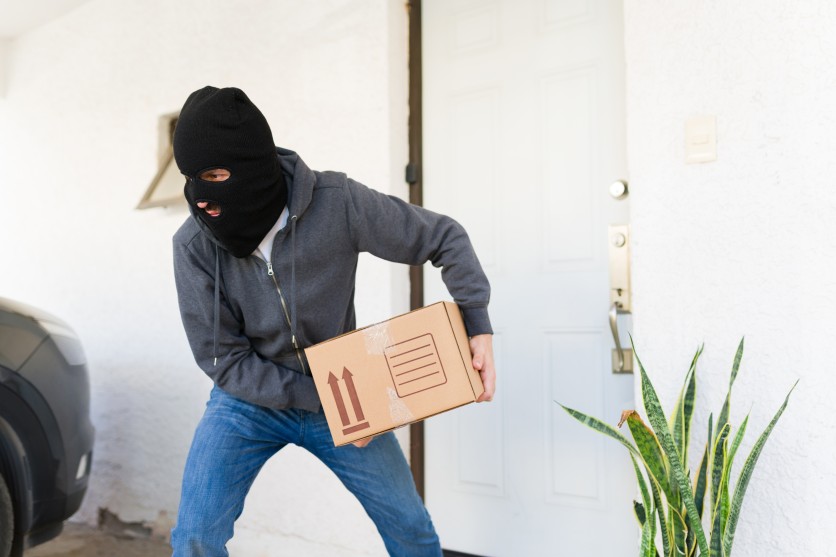
Parcel theft is rising across the UK. Dubbed 'porch piracy,' this form of crime resulted in £376.6 million worth of parcels being stolen across the UK in the last year, nearly doubling from £204 million in 2023. Over 3.5 million households have fallen victim to porch pirates, with Black Friday and Christmas proving particularly lucrative for opportunistic criminals.
Yet amid this worrying trend, there's a success story emerging. In Essex, parcel theft offences have plummeted by an extraordinary 80% over four years, according to the BBC. Their solution: combining smart security technology with community cooperation.
The surge in doorstep theft is no coincidence. According to The Guardian, Sportswear is three times more likely to be stolen than other goods, owing to its branded packaging and high resale value. Thieves quickly offload stolen goods at car boot sales or on platforms like eBay and Facebook Marketplace.
Flat dwellers face particular vulnerability, especially in urban areas where packages pile up in communal hallways. Delivery drivers, pressured by unrealistic schedules, often leave parcels in plain sight rather than seeking secure alternatives, creating easy pickings for criminals who know exactly where to look.
What's behind Essex's remarkable turnaround? Ahmet Deveci, a former Metropolitan Police detective and director of CCTV Aware, points to the game-changing role of modern doorbell cameras. Speaking to the BBC, he explained how these devices capture high-resolution images and audio, with built-in speakers allowing residents to issue commands, informing potential thieves they are being recorded.
Today's home security market offers numerous options for homeowners. Ring's video doorbells have become ubiquitous on British doorsteps, while Arlo provides comprehensive outdoor camera systems. For those seeking more integrated solutions, manufacturers like Dahua offer systems with intelligent alarm linkage and video intercoms that allow remote visitor verification. It is integrated systems like these that provide the greatest security, connecting to your personal devices with notification functions and connecting to alarm systems.
But technology alone isn't the answer. Steve Leverett, Neighbourhood Watch leader for Chelmsford and Maldon, describes how community WhatsApp groups have transformed local vigilance. He told the BBC that neighbours now coordinate to accept packages for each other or send alerts via WhatsApp about delivered items, creating networks that make it far harder for thieves to operate undetected.
As households rush to install smart security systems, a hidden vulnerability lurks in the cloud. Palo Alto Networks research found that 98% of IoT device traffic is unencrypted, exposing CCTV systems to potential interception.
The solution? Microsoft Security Intelligence reports that enabling multi-factor authentication blocks over 99.9% of automated attacks. When choosing security systems, prioritise providers that offer end-to-end encryption and regular firmware updates. Professional-grade systems from companies including Dahua typically feature more robust security architectures designed for commercial applications.
Some households are investing in secure parcel boxes; weatherproof lockboxes bolted near the front door in the view of camera security systems, where couriers can deposit packages safely. These range from simple steel boxes to smart models with app notifications and combination locks.
A critical detail many shoppers miss is that retailers remain legally liable for parcels until you receive them, unless you've nominated a "safe place." The Guardian warns that designating a safe spot shifts responsibility to you, potentially costing you your right to a refund if theft occurs.
Essex's 80% reduction proves that porch piracy isn't inevitable. The winning formula combines robust security systems, from consumer-friendly Ring doorbells to Dahua's comprehensive security solutions, community networks, and smarter delivery choices.
As online shopping continues to grow, those who invest in protection today will save far more than the cost of a stolen parcel tomorrow. The question isn't whether you can afford smart security, it's whether you can afford to go without it.

-
 C114 Communication Network
 -
 Communication Home
