

 Search

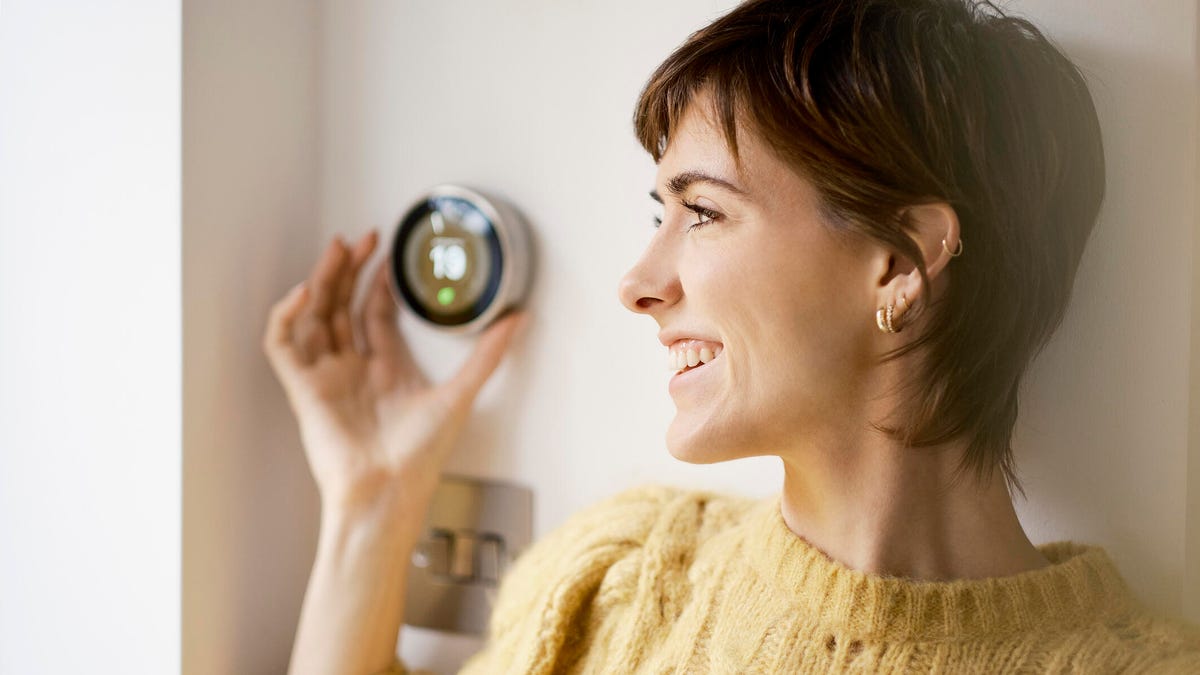
Don't assume renters can't install wired devices such as smart thermostats. And that's good news as they can make heating and cooling much easier to manage with added sensors and app controls. Plus, in many rentals, setup is often DIY.
How much could tenants save if they're responsible for paying their own heating bills? When I asked thermostat specialists at Ecobee about potential savings, they said that "All Ecobee smart thermostats can help save up to 26% on heating and cooling costs by reducing energy usage. When paired with our smart sensors, we can save even more money by optimizing heating and cooling for specific rooms."
Google Nest gave me similar figures, which means these smart thermostats pay for themselves in a year or two and allow for major energy savings afterward. But first, you have to get the details right: Here's how installing a smart thermostat works in rentals.
Installing a smart thermostat in a rental
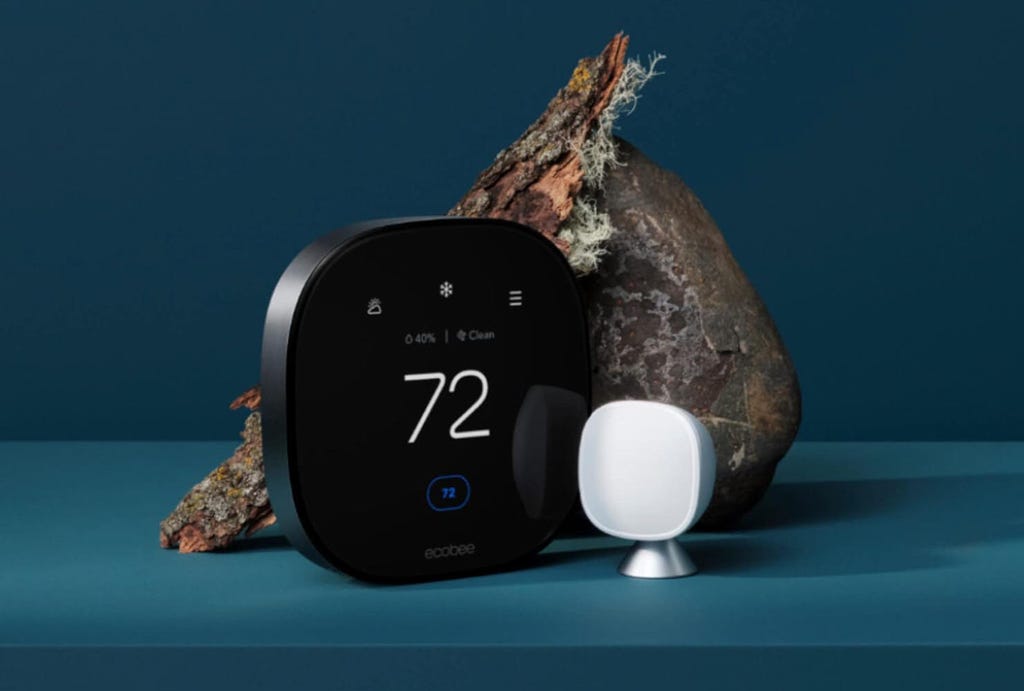
Ecobee's thermostat and a satellite sensor Ecobee
A smart thermostat is installed exactly where your old thermostat was. All it needs is a Wi-Fi connection and an app and you can easily program or change it from anywhere. These thermostats also include learning features to adjust themselves automatically based on when they sense people are moving around the house.
In other words, any renter who pays their own electricity bills will likely see monthly savings by installing a smart thermostat. Average savings according to Nest's research are about $140 per year, while Ecobee's higher-end estimate would save about $250 a year. Other experts put potential savings much higher, depending on your climate, rental insulation, previous energy use and other factors. That makes this upgrade a good choice for renters who plan on staying in the same spot for a few years.
Installation itself is usually straightforward. Shut down the power to the thermostat, dismount it, take a photo of all the wire contacts and attach your new thermostat in the same way. There are minor variations, like if a thermostat needs a power-giving C-wire, but you can find a compatible model for most homes. The trick is knowing if your landlord will let you install one.
Is a smart thermostat right for your specific rental?
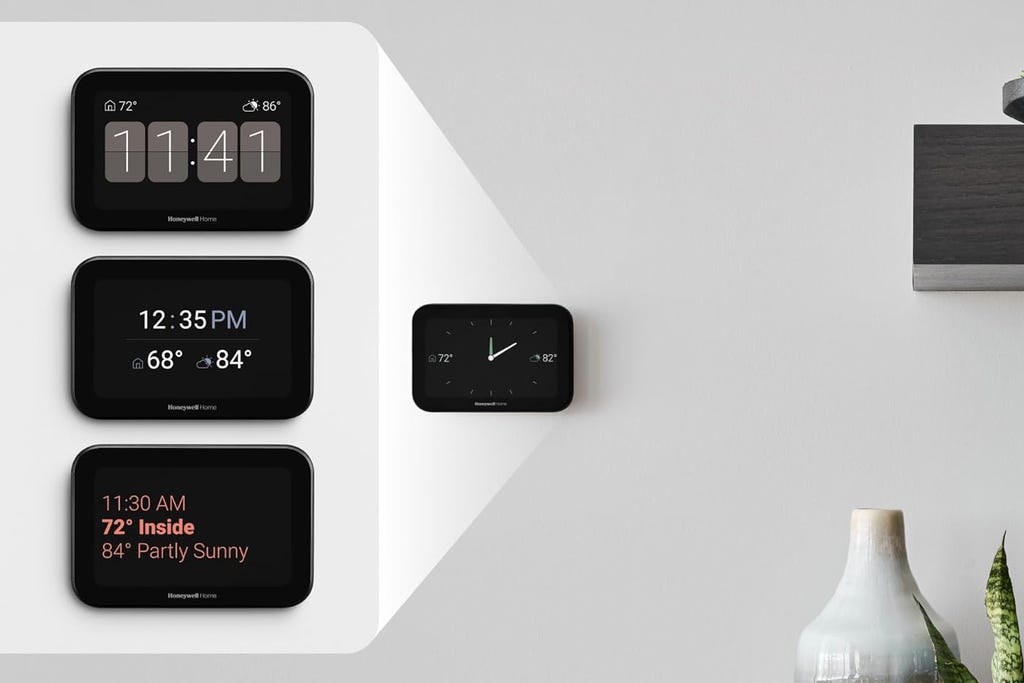
Honeywell Home's new thermostat is a giant upgrade from older models. Honeywell Home
Unless you work something out with your landlord, a smart thermostat usually stays behind when you move. So how can you tell whether installing one is really worth it?
My advice is to consider a smart thermostat if you plan to stay in the same rental for at least a couple of years and know you'll be responsible for the energy bills during that time. That's usually long enough for the energy savings to cover the cost of the thermostat -- and for your wallet to start appreciating the upgrade.
If your heating and cooling bills are out of control, or your current thermostat just isn't working properly, it may be worth upgrading to a smart thermostat right away, even if it costs a little more.
Getting permission to install a smart thermostat
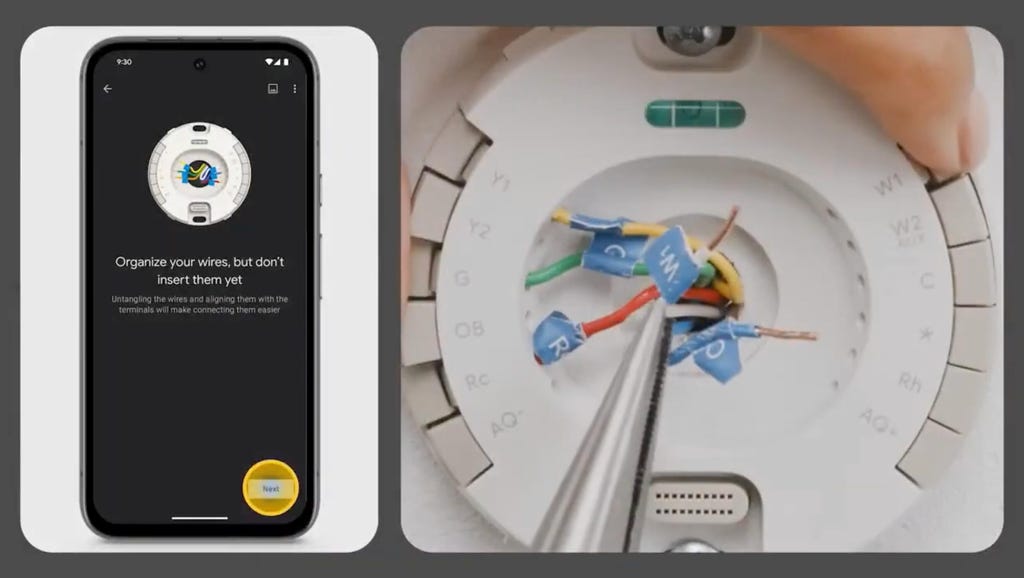
Instructions on phone pairing while using pliers on a Google Nest thermostat. Google Nest
Renters usually need to get permission before screwing and wiring a device into a rental, which means smart thermostats require some planning.
First, renters should check their lease for any specific guidance. Some leases spell out whether the owner controls installations like this or outline a process for making changes. Next, contact the landlord or property management company to let them know you're interested in installing a smart thermostat. It helps to have a specific model in mind (which I'll discuss below), along with a product page you can share so they can review the specifications.
Renters should let owners know that they are willing to pay for and manage the thermostat. If that's not an option for your budget, you could also discuss splitting the costs of the installation with the owner, covering the cost of installation or other deals that let you start using this smart technology.
Many rental owners will be fine with this change, especially because they typically get control over the smart thermostat (and its savings) when tenants leave. Others won't like the idea of adding app management to the heating and cooling of their rental. The only way to find out is to ask.
What thermostat model should renters start with?
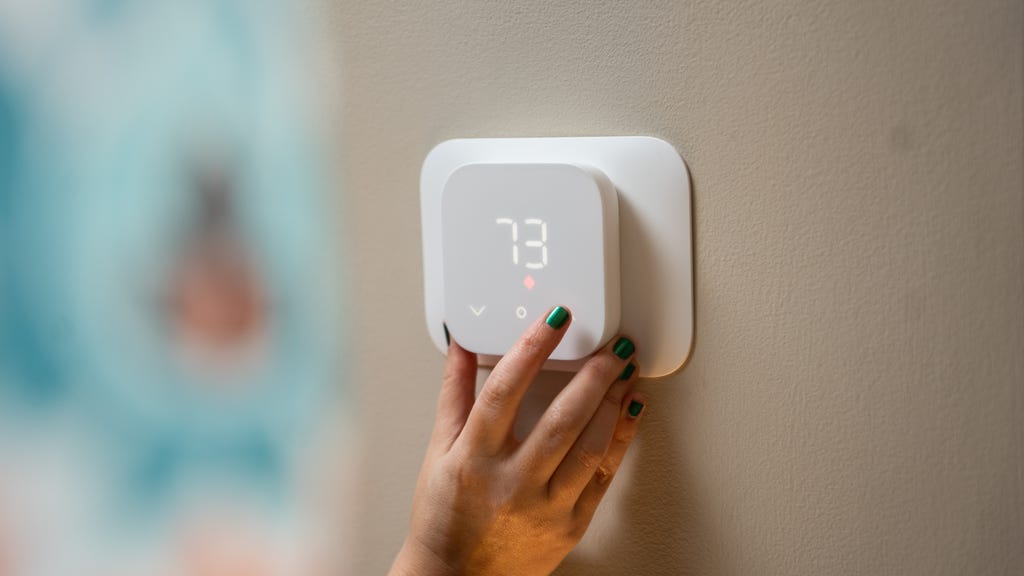
Amazon's thermostat is a cheap option that can help you start saving right away. Chris Monroe/CNET
For a specific model, I suggest going with a low-cost option to maximize savings ASAP. Amazon's smart thermostat, for example, is available for less than $100 and can even use an Echo Dot 5 as a satellite sensor. Or you could choose the Energy Star-certified Ecobee Essential thermostat for $140, which is a particularly good choice for multi-platform support as it works with Amazon Alexa, Google Home and Apple Home/Siri.
Rental owners and smart thermostat controls
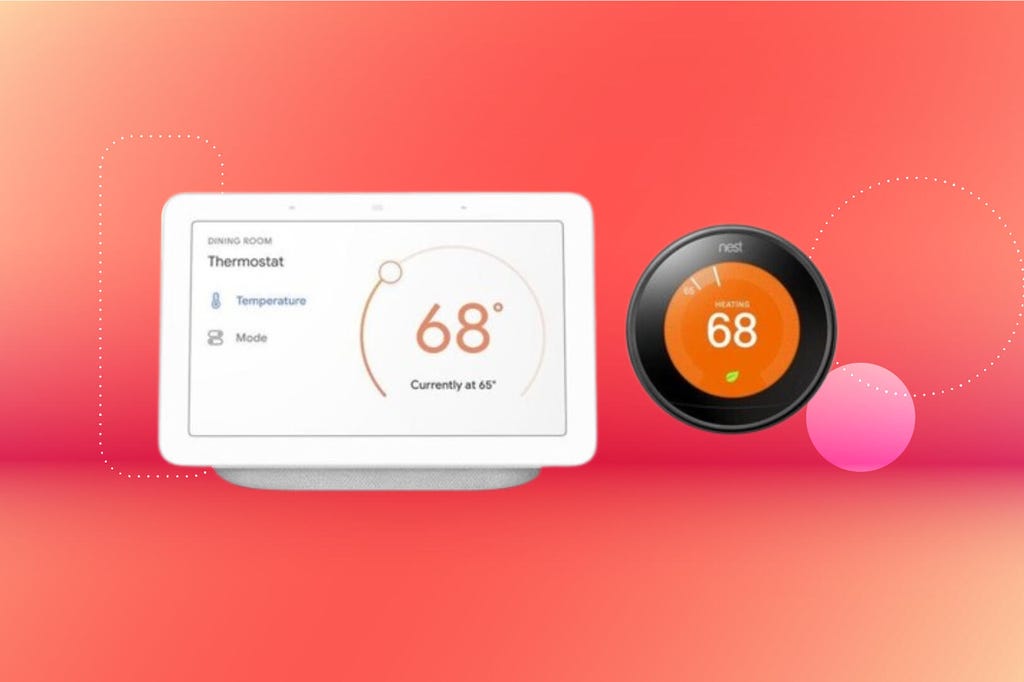
Smart displays can control compatible thermostats with a touch. Google Nest/CNET
There's a final consideration for renters picking out a smart thermostat. Some owners may only agree to a smart thermostat if they are the ones to have Wi-Fi control, which means they can change temperatures remotely.
That obviously has potential for abuse but many states and cities already have laws preventing landlords from lowering heat below certain levels (in California, for example, tenants need to be able to at least adjust the temps to 70 degrees Fahrenheit). Some cities, such as Los Angeles, are also working on laws for required cooling levels, so landlords can't cut off the AC in a heatwave, although these rules face large-scale pushback from landlords.
If landlords want control over the thermostat, it's very important to look up your local laws and let owners know about any limitations. Then you can decide if it's worth it. A possible compromise is connecting the thermostat to a local power utility program to automatically save money during peak use hours, available via programs like Ecobee Community Energy Savings.
For more information on the smart tech that can revolutionize your rental life, check out our pieces on the best home security for renters, if apartment dwellers can install security cameras and the easiest ways to save money with home devices like smart plugs.


