
 Search

(Image credit: Apple)
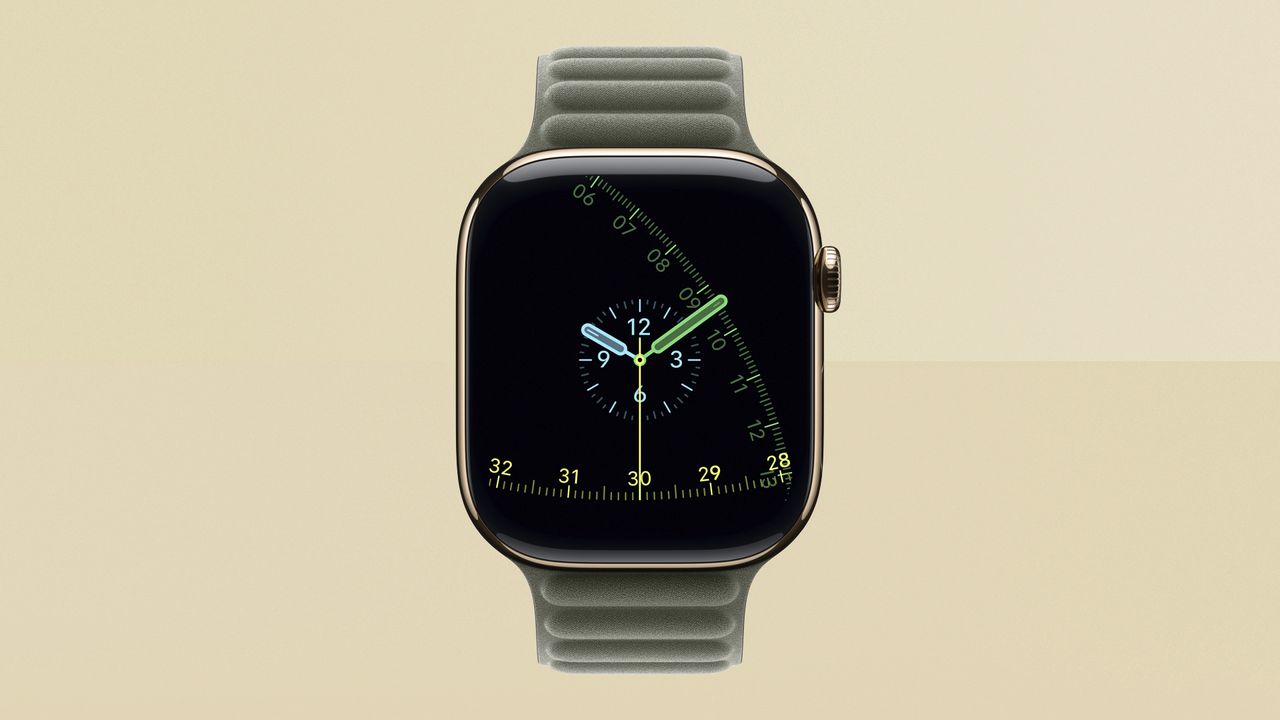
Apple Watch rumours tend to fall into two camps. One usually promises a revolution, while the other quietly whispers, “another refinement year.” With the upcoming Apple Watch Series 12, those two camps feel more divided than ever.
Some leaks point to a largely familiar Apple Watch with smarter software and tighter health insights. Yet another set hints at a redesigned sensor layout that could unlock entirely new capabilities.
What seems almost certain is timing. Apple Watch Series 12 is widely expected to arrive in September 2026, following Apple’s long-standing autumn launch rhythm alongside new iPhones. Beyond that, everything becomes far more interesting.
Option A: The incremental path
If Apple sticks to its recent playbook, Series 12 will look much like Series 11 from the outside. The case, screen shape, and general design language would remain familiar, while the real changes would happen under the hood.
This version of Series 12 would lean heavily on Apple’s growing focus on algorithm-driven health rather than on headline-grabbing new sensors.
Blood pressure is the clearest example. Apple already offers hypertension notifications based on long-term optical heart rate data, carefully framed as trend detection rather than a medical-grade reading.
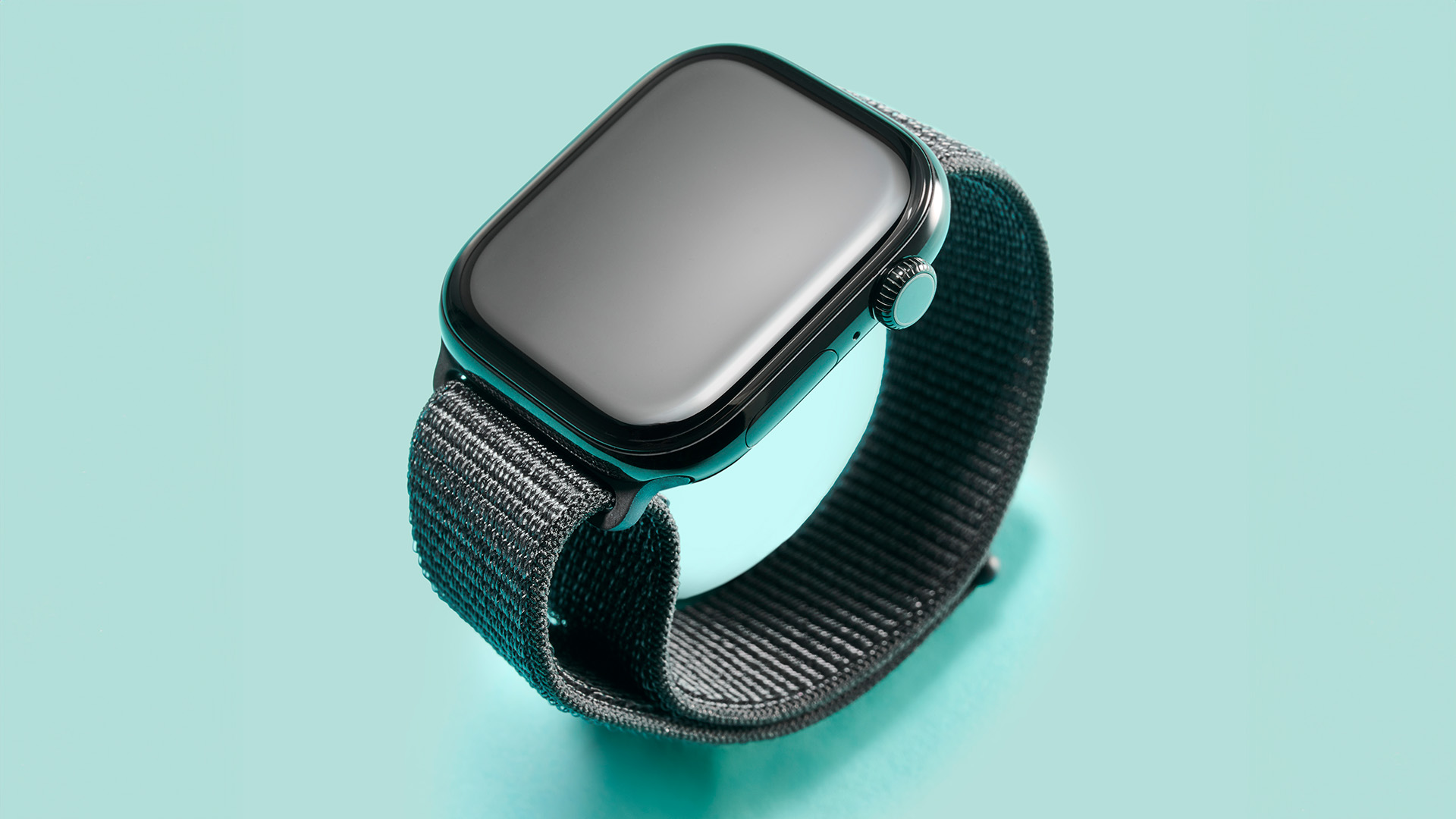
Will the Series 12 improve on the Series 10 from 2024? (Image credit: Future)
Series 12 could refine that further, with faster confidence, fewer false positives, and more personalised guidance in the Health and Fitness apps.
Battery efficiency, charging speed and performance would likely see minor improvements, too. None of these would dominate a keynote, but together they would make the watch feel smoother, smarter and easier to live with, exactly the kind of upgrade Apple has delivered several times before.
In this scenario, Series 12 becomes a polished evolution rather than a redesign. It would align with Apple’s recent message that the Apple Watch is already a health platform, and that its future is about making that platform more reliable, more predictive, and more personal.
Option B: The big swing
The alternative future depends on one specific rumour: a redesigned underside with a ring-style layout of multiple sensors. If that change is real (and if it lands on Series 12), the upgrade story changes dramatically.
More sensors don’t automatically mean flashy new metrics, but they can dramatically improve signal quality. Better spacing, more emitters and receivers, and improved contact with skin would all allow Apple to gather cleaner data during movement, workouts and sleep.
Oura introduced a more substantial sensor setup with its latest Oura Ring 4, which allows the ring to rotate up to 30% from its 'ideal' placement without compromising sensor data. A similar setup on the Series 12 could drastically improve data capture in tricky scenarios.
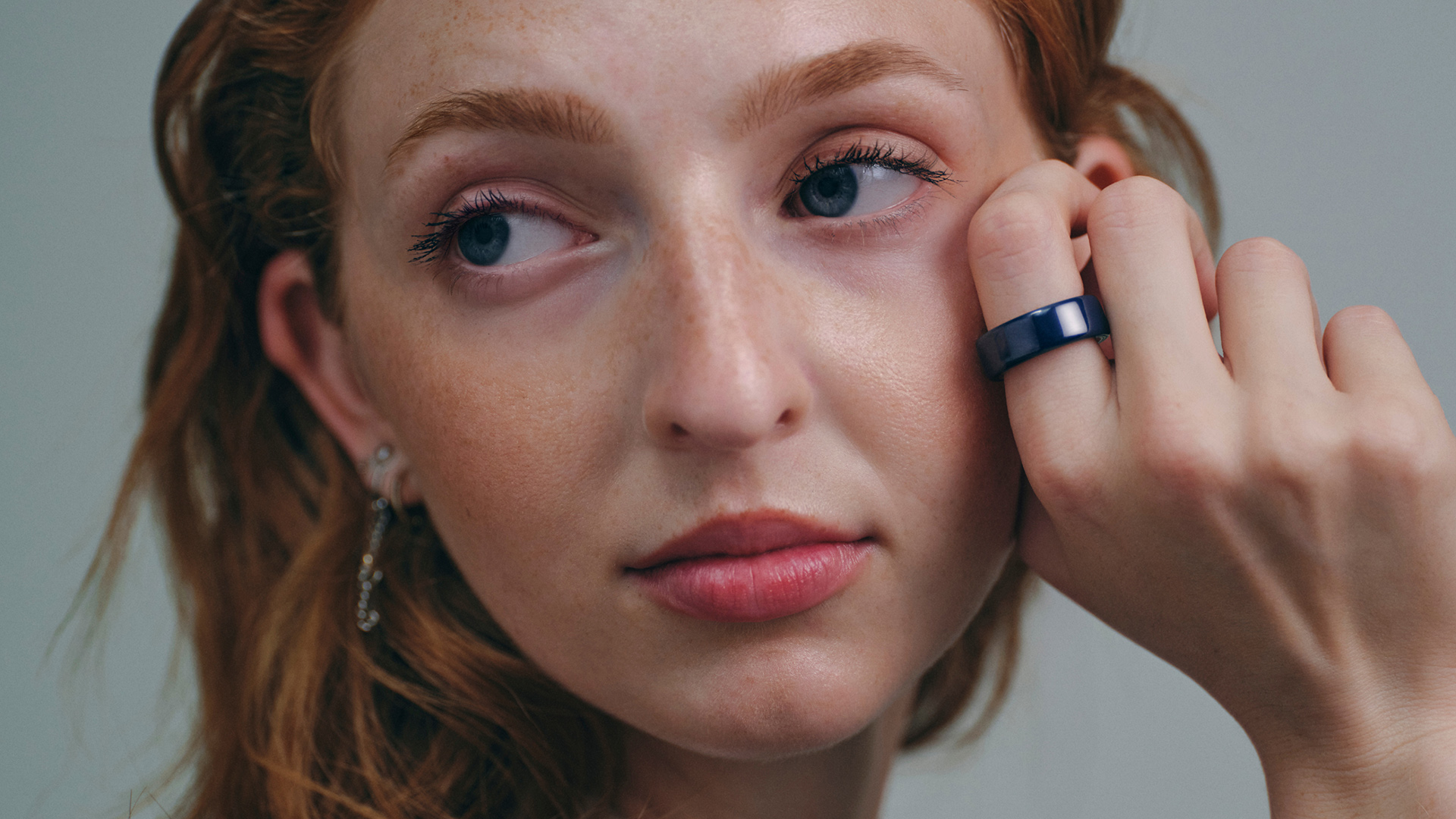
The Oura Ring 4's updated sensor array improved HR readings (Image credit: Oura)
Apple already measures heart rate, oxygen saturation, temperature and motion very well. The next step is making those measurements more consistent in the messy, real-world conditions in which people actually use their watches.
This is also where blood pressure and blood glucose speculation resurfaces. True non-invasive glucose tracking still feels unlikely for 2026 – even though rumours have already been circulating for at least 5 years – but better sensors could bring Apple closer to early warning signals and long-term trend modelling.
Blood pressure, meanwhile, could evolve from risk detection into something more immediate and actionable, even if Apple continues to avoid presenting it as a traditional reading. One thing is for sure: it's unlikely Apple will offer anything even remotely similar to the Huawei Watch D2's inflating cuff.
What extra sensors could realistically unlock
If Apple adds or improves sensor hardware, the most believable gains mirror features already seen across other wearables:
- More reliable stress and strain modelling based on physiological responses
- Smarter illness and fatigue detection using temperature and heart data together
- Improved workout heart-rate accuracy during high-movement training
- Better heat and hydration guidance built from combined metrics rather than single readings
In other words, not necessarily new numbers on a screen — but more confidence in the ones people already use.
MicroLED: Garmin’s flex, Apple’s question mark
Garmin has now shown that MicroLED displays are possible in mainstream sports watches, with what surely was the biggest wearable launch last year: the Garmin Fenix 8 Pro MicroLED. It offers extreme brightness, contrast and efficiency. That naturally raises the question: will Apple respond with MicroLED on Series 12?
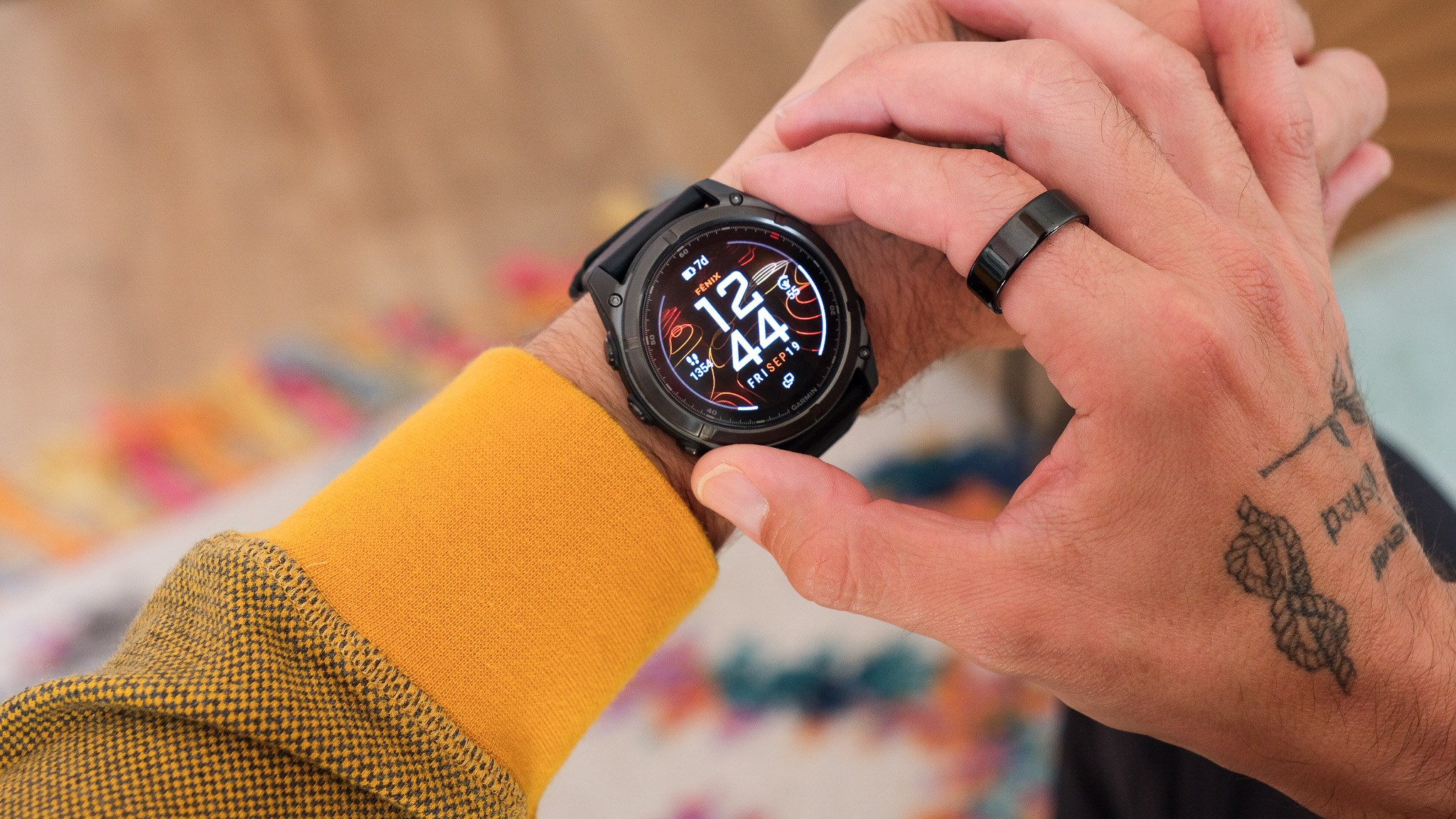
Garmin Fenix 8 Pro: keepin' it brighter (Image credit: Matt Kollat)
Right now, the evidence suggests caution. Apple’s own MicroLED Apple Watch project was reportedly paused or cancelled in previous years, and there’s no strong sign that 2026 is the comeback moment.
Apple could still adopt the technology through suppliers, but for now, Series 12 is more likely to continue refining OLED rather than leaping to MicroLED. If any Apple Watch models would introduce this new technology, it's likely be the Ultra.
Will it cost more?
Apple doesn’t raise base Apple Watch prices lightly. A price increase becomes more likely if Series 12 introduces clearly premium hardware changes or if Apple reshapes the lineup into new tiers. Otherwise, Series 12 is expected to stay close to its predecessor’s pricing, with higher costs reserved for Ultra models or material upgrades.
Still, with sensor complexity, silicon costs, and health certification all rising, Series 12 may quietly test the upper edge of Apple’s traditional pricing comfort zone.
The wishlist that would actually matter
If Apple wants Series 12 to feel genuinely new without rewriting the rulebook, a few upgrades would go a long way.
- Multi-day battery life without sacrificing thinness: the Series 11 improved battery life slightly, but it's still far cry from other AMOLED watches available now
- Faster charging that makes short top-ups genuinely useful: you can get around 8 hours of use from 15 minutes already with Series 11, but it would be a lot better if 5–10 minute bathroom/shower charges could reliably replace overnight charging.
- Even more accurate workout tracking during intervals and strength sessions: wrist-based sensors have always suffered from sub-optimal heart rate readings during high-intensity training; maybe the new sensor could improve this.
- Recovery and readiness insights that feel as natural as checking the time: Apple lags behind the competition, mainly Garmin, when it comes to providing more comprehensive feedback on training and recovery. Sleep Score has only recently been added, but there is a lot more room for improvement in this area.
- A display that stays bright, efficient and readable in every environment.
None of these is headline-grabbing on its own, but together, they would define a watch that feels less like a gadget and more like a health companion.
Two futures, one decision
The Apple Watch sits at a crossroads, and has been for a while. It's not that the wearable industry has run out of innovation. There is a ton of exciting stuff on the horizon, from wrist-based AI transcription to UVA ray-tracking pendants.
What’s changed is Apple’s role in leading that conversation. While each new Apple Watch generation brings polish and refinement, it has been years since a launch truly reshaped expectations of what a smartwatch could be.
Rumours continue to swirl, as they always do, but recent releases from Cupertino have felt evolutionary rather than revolutionary.
Series 12 offers Apple another chance to reset that narrative. Delivering yet another incremental upgrade risks reinforcing the idea that the Apple Watch is following the industry rather than defining it.
Still, Apple has surprised us before. And with nine months to go until the next autumn Special Event, there’s still time for the company to pull something genuinely bold from its hat. Whatever form it takes, Apple Watch fans will be hoping that Series 12 isn’t just better, but exciting again.

-
 C114 Communication Network
 -
 Communication Home
