
 Search

Credit: Bose
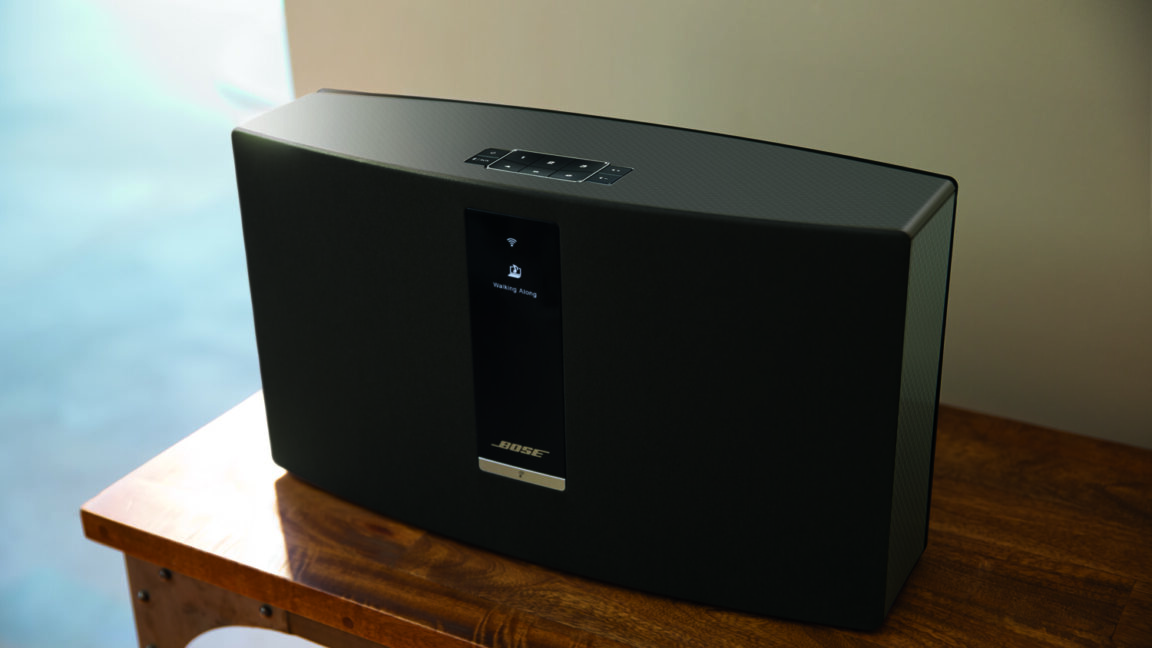
Bose released the Application Programming Interface (API) documentation for its SoundTouch speakers today, putting a silver lining around the impending end-of-life (EoL) of the expensive home theater devices.
In October, Bose announced that its SoundTouch Wi-Fi speakers and soundbars would become dumb speakers on February 18. At the time, Bose said that the speakers would only work if a device was connected via AUX, HDMI, or Bluetooth (which has higher latency than Wi-Fi).
After that date, the speakers would stop receiving security and software updates and lose cloud connectivity and their companion app, the Framingham, Massachusetts-based company said. Without the app, users would no longer be able to integrate the device with music services, such as Spotify, have multiple SoundTouch devices play the same audio simultaneously, or use or edit saved presets.
The announcement frustrated some of Bose’s long-time customers, some of whom own multiple SoundTouch devices that still function properly. Many questioned companies’ increasingly common practice of bricking expensive products to focus on new devices or to minimize costs, or because they’ve gone through acquisitions or bankruptcy. SoundTouch speakers released in 2013 and 2015 with prices ranging from $399 to $1,500.
Today, Bose had better news. In an email to customers, Bose announced that AirPlay and Spotify Connect will still work with SoundTouch speakers after EoL, expanding the wireless capabilities that people will still be able to access.
Additionally, SoundTouch devices that support AirPlay 2 can play the same audio simultaneously.
The SoundTouch app will also live on, albeit stripped of some functionality.
“On May 6, 2026, the app will update to a version that supports the functions that can operate locally without the cloud. No action will be required on your part. Opening the app will apply the update automatically,” Bose said.
Bose also provided instructions for a workaround for saving presets that uses the favorites options in music service apps.
SoundTouch open-sourced
In recent years, especially, we’ve seen numerous companies that make smart devices abandon their products, leaving users with few options. Often, when a company announces that it will brick one of its smart devices, there’s a call for the company to open-source the gadget’s API and firmware so that already-purchased devices don’t become e-waste and so people can continue using them or even add functionality to the device.
Companies are often reluctant to do this, however, with a key concern being that the device—and therefore the company that originally made it—could become associated with a controversial hack.
Bose doesn’t seem worried about that, though, as today it emailed customers SoundTouch’s API documentation [PDF] “so that independent developers can create their own SoundTouch-compatible tools and features.”
A more merciful death
There are SoundTouch owners who will remain inconvenienced when Bose discontinues the devices in May. Despite the changes announced today, Bose is still killing some popular functionality on speakers that would work perfectly fine otherwise.
Ideally, Bose would support its products for as long as they are functioning. But for many smart home companies, that’s not feasible or desirable because such ongoing support can take resources away from other projects with larger user bases or can otherwise detract from growing or sustaining business by encouraging fewer purchases. It can also be complex and costly to get older devices to work with newer software and other technologies.
Truthfully, companies like Bose will continue to seek ways to make more money and to sell more devices. If such companies refuse to stop bricking their customers’ gadgets before we’re ready, the steps that Bose is taking with SoundTouch should be more common.
Open-sourcing devices so that people who have already invested in them can continue enjoying them and striving to maintain as much device functionality as possible is the least that smart device makers can do before discontinuing customers’ beloved devices.

-
 C114 Communication Network
 -
 Communication Home
