
 Search

(Image credit: GDU)
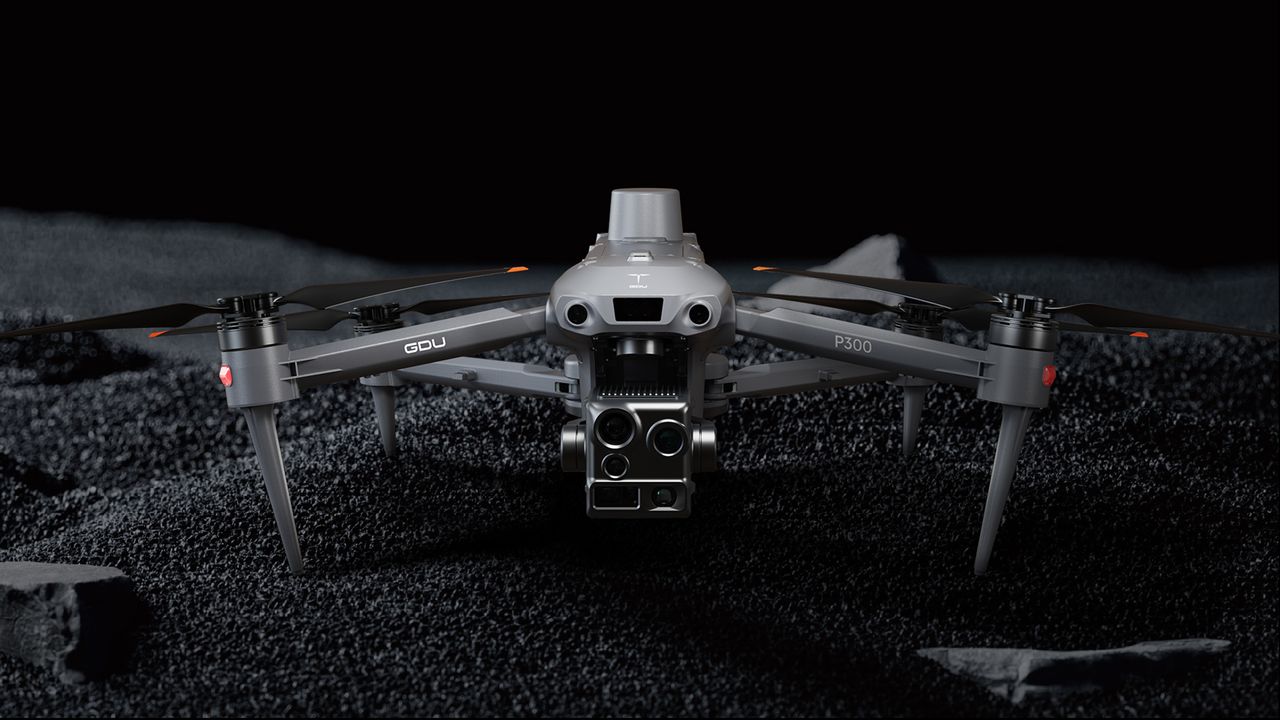
At CES, GDU has unveiled the UAV-P300, which the company says is the world’s first AI-powered drone combining optical and electronic fog-penetration technologies.
According to the brand, the system can boost clarity by up to 50 per cent in rain or fog, helping operators keep working safely rather than waiting for conditions to improve.
It might look similar to the DJI Mavic 4 Pro, but the UAV-P300 isn't a consumer drone.
It's designed for public safety agencies, smart city monitoring, industrial inspections and cultural heritage projects, where visibility and precision genuinely matter.
The emphasis is on reliability in changing environments, consistency across long deployments and imaging that remains usable when light and contrast drop away.
Clear as day
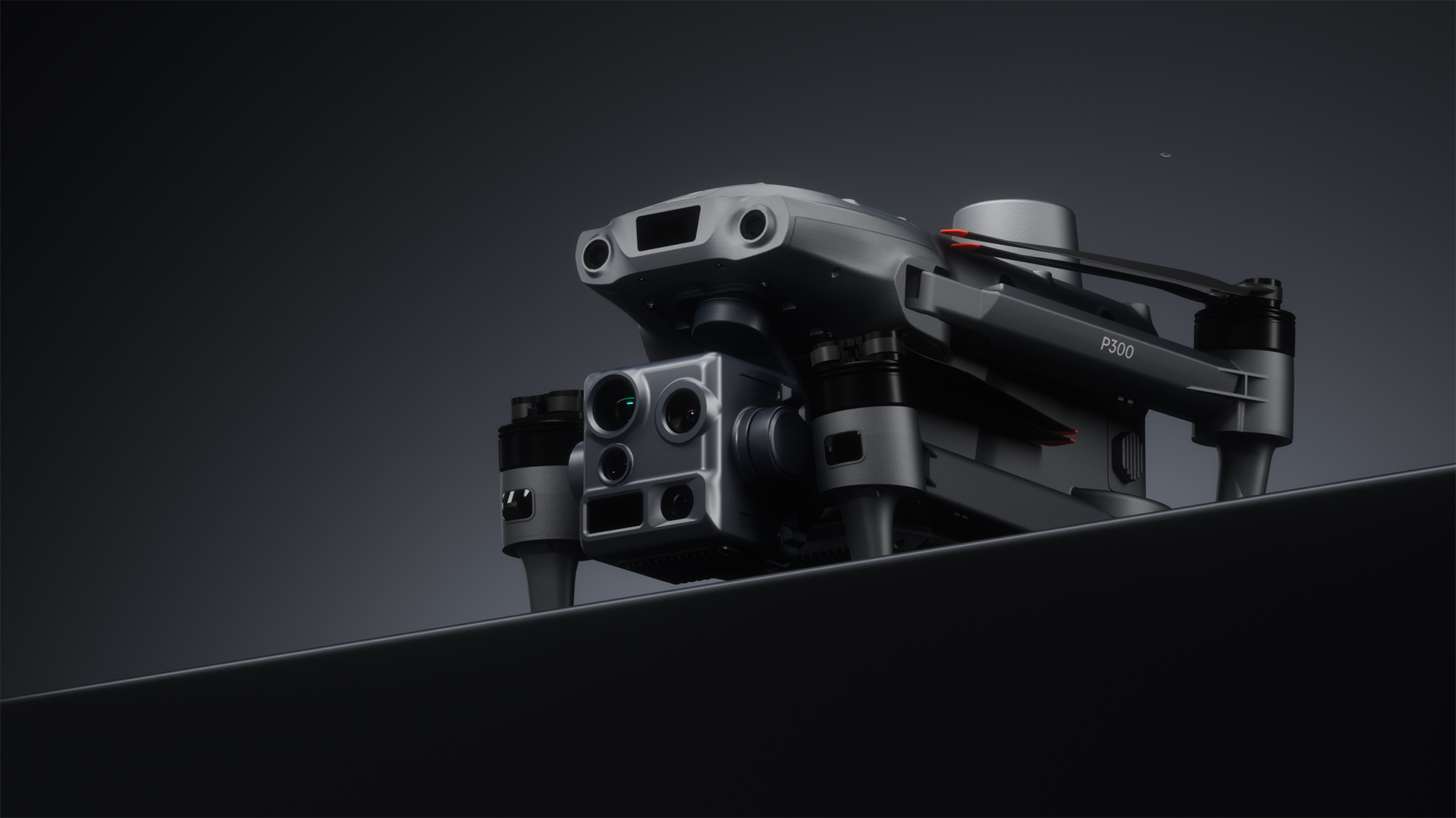
The UAV-P300 features a 50-megapixel wide-angle sensor, full-colour 4K night vision, and a starlight camera system designed to reveal detail in low-light conditions.
There is an 11x optical zoom and up to 176x (!) hybrid zoom, allowing operators to maintain a safe distance while still capturing meaningful visual data.
Thermal imaging is also AI-enhanced, helping highlight heat sources and anomalies in search-and-rescue missions, infrastructure inspections, and nighttime assessments.
(Image credit: GDU)
The drone uses lidar and AI-powered obstacle recognition to move confidently around cables, buildings and tight urban spaces.
If the GPS signal drops or becomes unreliable, visual SLAM fusion navigation steps in to keep the aircraft stable and maintain dependable return-to-home behaviour.
A built-in laser rangefinder with a 2-kilometre (~1.24 miles) range allows operators to mark targets, measure distances, and share location data quickly within GDU’s UVER platform, improving coordination across teams.
With an IP55 rating against dust and water, the UAV-P300 is designed to continue operating in conditions where consumer drones would typically be grounded.
(Image credit: GDU)
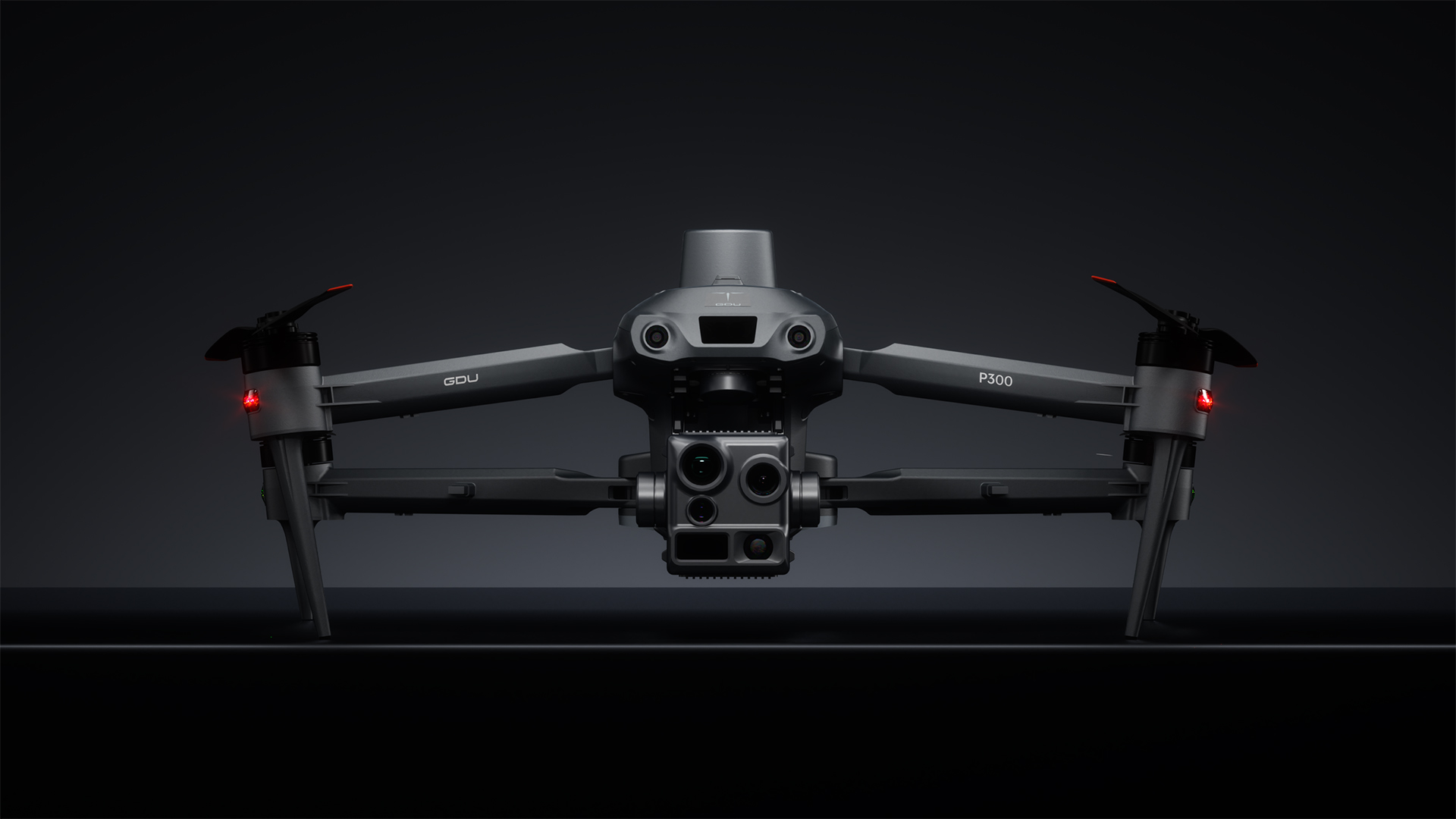
The UAV-P300 is clearly an enterprise machine, designed for cities, emergency services, and organisations that depend on consistent aerial insight.
But historically, technology like this has a habit of trickling down. Features once seen only on industrial platforms, including advanced obstacle avoidance, thermal modules and multi-sensor gimbals, eventually arrived on mainstream drones.
The DJI Mini 5 Pro uses LiDAR, and even more affordable models, such as the DJI Neo 2, utilise advanced obstacle avoidance systems.
AI-driven fog penetration feels like the next likely step, potentially leading to clearer footage in mist, coastal haze and winter weather for everyday pilots and content creators.
GDU plans to make the UAV-P300 available from late January 2026, with multiple payloads and configurations depending on the use case.
Head over to GDU to find out more.

-
 C114 Communication Network
 -
 Communication Home
