
 Search

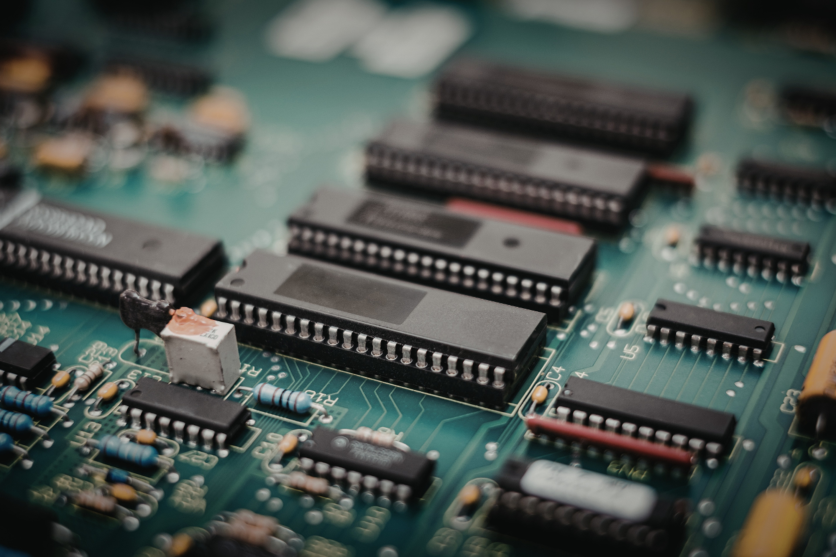
Pull apart any consumer electronics product, and you will likely find the same class of components that investigators are now pulling out of Russian weapons systems: power diodes, MOSFETs, rectifiers. These are not exotic parts. They are the workhorses of the global electronics industry, standardised, low-cost, present in everything from EV drivetrains to solar inverters to data centre power supplies. A single product family can ship in the tens of millions of units annually across hundreds of countries. That is precisely the context missing from the EU's 20th sanctions package.
Adopted on April 23, 2026, the package listed several Chinese semiconductor manufacturers, including Yangzhou Yangjie Electronic Technology Co, Ltd., on the grounds that their components were found in Russian military hardware. The framing presents this as a targeted enforcement action against knowing military suppliers. The underlying data, when placed in full context, tells a more complicated story.
Ukraine's War and Sanctions database tracks foreign components found inside recovered Russian weapons systems. Infineon's German entity has 59 product entries. Infineon's US entity has 76. Philips: 5. Bosch: 7. The Chinese firm now sanctioned? 4. Not one of the European or American manufacturers has been designated. The standard being applied is not consistent, and it is not explained. The database is not a list of intentional military suppliers. It is a record of where commodity components ended up after passing through global commercial distribution chains. That distinction matters enormously for how enforcement should be designed.
The reason the same components appear across manufacturers from so many different countries is structural. Modern electronics supply chains are global, fragmented, and built on commodity components that flow through multi-tier distribution networks. A manufacturer may supply hundreds of authorised distributors, each with their own downstream customers and resellers. Visibility over final transactions ends long before the product reaches its last destination. Russia exploits this by routing procurement through shell companies and transit hubs in Kazakhstan, Kyrgyzstan, the UAE, and Turkey, using falsified end-user declarations to disguise final destinations. The EU acknowledged this in the same 20th sanctions package, flagging Kyrgyzstan as a systematic circumvention risk. The problem is in the pipeline, but the sanctions target the manufacturer.
For companies across the power electronics sector, the precedent is the central concern. Power semiconductors are foundational to every major clean energy and digital infrastructure build happening right now: EV power electronics, grid-scale energy storage, industrial motor control, data centre power architecture. Manufacturers in this space sell into hundreds of distribution relationships across global markets. The idea that they bear liability for every subsequent transaction in that chain, without evidence of direct and knowing supply to military end users, sets a standard no global manufacturer can realistically meet.
Effective export control enforcement has always worked by targeting the circumvention layer: the brokers, trading companies, and re-exporters who knowingly divert civilian goods into military supply chains. EU law already provides the tools for this, mandatory no-Russia contractual clauses required since the 12th sanctions package, enhanced end-user declaration requirements, and prior authorisation mechanisms for exports through high-risk transit countries. These instruments address the actual vector of diversion and are calibrated to the part of the supply chain where intent and knowledge can actually be established.
The goal of cutting off weapons supply to Russia is one that the technology industry fully supports. But if the threshold for manufacturer designation is that a product appeared somewhere in a battlefield recovery database, then almost every major electronics company operating in global markets is potentially exposed. That cannot be the right standard. Dozens of European and American firms with larger footprints in that same database remain unlisted. The question the EU needs to answer is not which components ended up in Russian weapons, it is who moved them there, and how. Until that question has a consistent answer, the framework will continue to create uncertainty for every global electronics manufacturer, regardless of where they are based.

-
 C114 Communication Network
 -
 Communication Home
