
 Search

Credit: Andrew Cunningham
AI-driven memory and storage price hikes have been the defining feature of the PC industry in 2026, and hobbyists have been hit the hardest—companies like Apple with lots of buying power have been able to limit the price increases for their PCs, phones, and other gadgets so far, but smaller outfits like Valve and Raspberry Pi haven’t been so lucky.
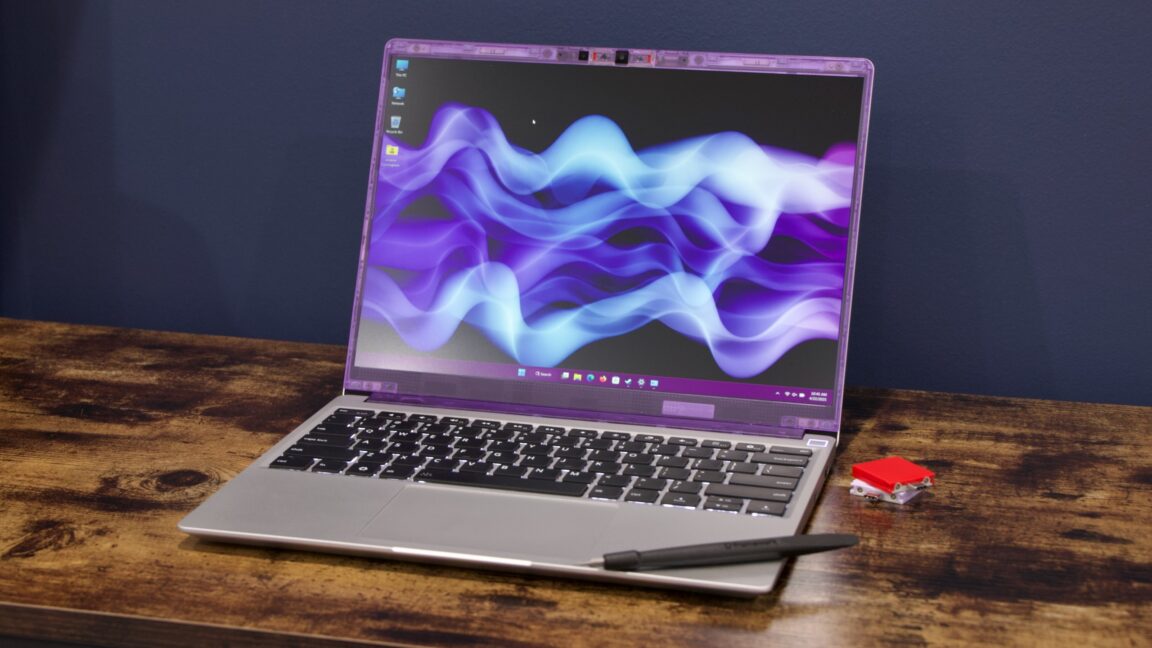
Framework, the company behind repairable and upgradeable computer designs like the Laptop 13, Laptop 16, and Laptop 12, is also taking a hard hit by price increases. The company stopped selling standalone RAM sticks in November 2025 and has increased prices on one or more of its systems every month since then; this week’s increases are hitting the Framework Desktop and the DIY Editions of its various laptops particularly hard.
The price increases are affecting both standalone SODIMM memory modules and the soldered-down LPDDR5X memory used in the Framework Desktop. Patel says that standalone RAM sticks are being priced “as close as we can to the weighted average cost of our purchases from suppliers.” In September, buying an 8GB stick of RAM with a Framework Laptop 13 cost $40; it currently costs $130. A 96GB DDR5 kit of two 48GB sticks costs $1,340, up from $480 in September.
Framework Desktop systems and boards with built-in RAM are seeing price increases between 6 and 16 percent—in general, the more RAM you’re buying, the higher the increase. The base Framework Desktop system with 32GB of LPDDR5X now starts at $1,209, a $110 increase since launch. The maxed-out 128GB desktop starts at $2,599, a whopping $600 more than the system cost at launch.
Prices for the pre-built Framework Laptop models have mostly held steady for now, though Framework expects prices to rise in the future. The same goes for its SSD pricing, which is staying flat for now but will likely increase soon. Framework says that it’s selling 8TB SSDs in particular “for substantially below the available market pricing.” As we’ve written, higher-capacity SSDs have definitely been hit harder by the increases than lower-capacity models.
“We’re fixing problems everywhere we can across this industry, but in this instance the best we can do is provide transparency around what is actually occurring,” writes Framework CEO Nirav Patel. Framework simply doesn’t have the purchasing power of big companies like Apple, Dell, Lenovo, or HP, and as such, the company is more subject to the same price fluctuations consumers face.
In a livestreamed Q&A posted this afternoon, Patel pointed to Framework’s DIY Edition laptops as one possible solution, allowing buyers to get a RAM-less laptop and to buy other, possibly cheaper, RAM sticks from another retailer or on the secondhand market. Framework is also having a small giveaway for spare RAM sticks pulled from “the bin of random modules in our office,” which might help ease the RAM crisis for the 20 people lucky enough to win a stick.

-
 C114 Communication Network
 -
 Communication Home
