
 Search

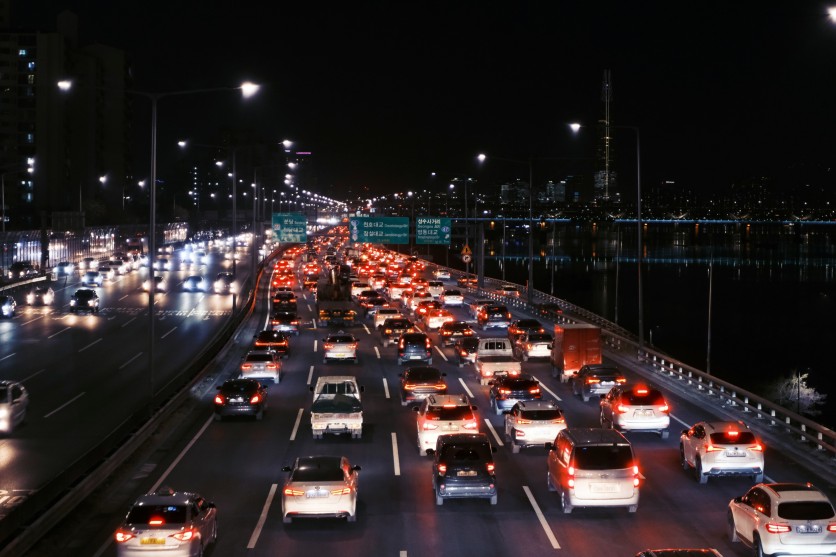
Minku Kang/Unsplash
AI traffic control systems are becoming a key part of modern traffic management as cities look for better ways to reduce congestion, improve safety, and handle growing urban populations.
In discussions around the future of transportation, AI road safety, smart city development, and AI in urban mobility are often highlighted as major areas where technology could transform how roads are managed. These systems aim to make traffic flow more efficient by using real-time data instead of fixed timing rules.
Rather than replacing human oversight completely, AI is being explored as a support tool that processes information from sensors, cameras, and connected vehicles.
This allows traffic systems to respond faster to changing conditions such as congestion, accidents, or weather disruptions. As cities continue to grow, AI traffic control systems are being considered an important step toward more adaptive and responsive transportation networks.
How AI Traffic Control Systems Work
AI traffic control systems manage road flow by using real-time data instead of fixed schedules. With adaptive signal timing, traffic lights adjust based on current conditions, while real-time data analysis processes input from sensors, cameras, and GPS to detect congestion quickly. Traffic prediction models also help forecast where delays may occur so cities can respond earlier.
These systems also improve safety and coordination across road networks. Incident response support helps reroute vehicles and assist emergency services during disruptions, while connected infrastructure (smart city) links signals, sensors, and transport systems into one network. AI can also monitor pedestrian and cyclist activity to help reduce risks at busy intersections.
Benefits Of AI In Urban Mobility
AI is becoming more important in modern transportation systems as cities look for ways to reduce congestion and improve road safety. AI traffic control systems are now being explored as tools that can respond faster to real-time road conditions compared to traditional methods. Over time, these systems may help create smoother, safer, and more efficient urban mobility networks.
- Improved traffic flow – AI traffic control systems adjust signals dynamically, helping reduce waiting times and easing congestion across busy road networks.
- Faster congestion response – Real-time data from sensors and cameras helps systems react quickly to traffic buildup and incidents.
- Enhanced road safety – AI can detect accidents and unusual driving behavior faster, helping emergency services respond more quickly.
- Better traffic prediction – Machine learning models analyze historical and live data to forecast where traffic jams are likely to form.
- Smarter long-term planning – Cities can use collected data to optimize routes, signal timing, and transport systems over time.
- More efficient daily travel – Reduced delays and better coordination across roads lead to smoother and more predictable commutes.
Read more: Tesla Issues Cybertruck Recall For Over 170 Models Suffering From Brake, Wheel Assembly Defect
Risks, Limits, And Future Possibilities
AI traffic control systems bring clear benefits, but they also raise important concerns that cities need to manage carefully. Issues like privacy, system reliability, and fairness all play a role in how effectively AI can be used in real-world traffic management. These risks show that AI in urban mobility still needs careful planning alongside technological progress.
- Privacy concerns – AI systems rely on cameras, sensors, and vehicle data, raising questions about how personal movement information is collected and used.
- Data security risks – Large-scale traffic networks must protect stored data from misuse or unauthorized access.
- System reliability limits – AI performance depends on accurate sensor inputs, and failures can reduce decision quality in real time.
- Need for human oversight – Human monitoring is still required to handle system errors and unexpected traffic situations.
- Algorithm bias – Poor or uneven training data can lead to less accurate performance in certain areas of a city.
- Future improvements – Smarter decentralized systems and better vehicle-to-infrastructure communication may improve accuracy but still need regulation and testing.
AI Could Become A Core Part Of Future Traffic Systems
AI traffic control systems are likely to become an important part of the future of transportation by improving traffic flow, strengthening AI road safety, and supporting smarter smart city infrastructure. Their ability to power adaptive signals, traffic prediction, and faster incident response makes them valuable tools in modern traffic management.
However, their effectiveness will depend on addressing challenges such as privacy concerns, system reliability, and data bias. AI in urban mobility is not a full replacement for human planning but a support system that can enhance it. As technology develops, AI may become one of the most important tools shaping safer and more efficient city travel.
Frequently Asked Questions
1. What are AI traffic control systems?
AI traffic control systems use artificial intelligence to manage traffic flow based on real-time data. They analyze information from sensors, cameras, and connected vehicles. This helps adjust traffic lights and reduce congestion. These systems are part of modern smart city development.
2. How does AI improve road safety?
AI improves road safety by detecting accidents and risky driving behavior faster than traditional systems. It can alert authorities and help redirect traffic quickly. This reduces response time during emergencies. It also helps prevent further accidents in affected areas.
3. What is traffic prediction in AI systems?
Traffic prediction uses historical and real-time data to forecast congestion patterns. AI models analyze trends to identify where traffic jams may occur. This allows cities to prepare in advance. It helps improve overall traffic management efficiency.
4. What are the risks of using AI in traffic management?
The main risks include privacy concerns, system errors, and data bias. AI systems rely heavily on accurate and complete data to function properly. If data is flawed, decisions may be less reliable. Human supervision is still needed to ensure safety and fairness.
Read more: Autonomous Threat Detection Systems: How AI Is Transforming Cybersecurity and Defense

-
 C114 Communication Network
 -
 Communication Home
