
 Search

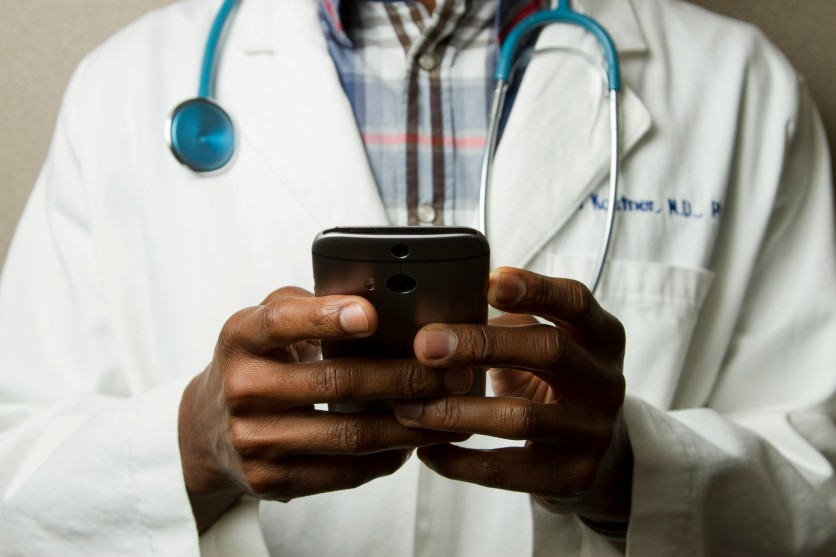
National Cancer Institute/Unsplash
AI breakthroughs are rapidly transforming healthcare in 2026 by improving diagnostics, streamlining workflows, and helping clinicians make faster medical decisions.
Hospitals, clinics, and research centers are adopting AI medical technology to reduce administrative pressure while improving patient care. These AI advancements are becoming a major part of modern healthcare technology as providers search for more efficient and accurate systems.
AI Healthcare is no longer limited to experimental software or isolated pilot programs. AI-powered tools are now being used in clinical documentation, imaging analysis, precision medicine, patient monitoring, and drug discovery. The growing role of AI advancements across medicine shows how healthcare technology is evolving toward more predictive, personalized, and data-driven care delivery.
Biggest AI Breakthroughs in Healthcare
Healthcare is advancing rapidly in 2026 as new AI breakthroughs improve diagnosis, treatment planning, and clinical workflows across the medical industry. From AI diagnostics to precision medicine and ambient AI scribes, healthcare technology is becoming a major part of modern patient care.
- Ambient AI Scribes: Ambient AI scribes automatically record and summarize doctor-patient conversations. These healthcare AI tools reduce documentation time and allow clinicians to focus more on patient interaction instead of note-taking.
- Clinical Copilots: Clinical copilots help healthcare workers analyze symptoms, patient records, and medical research faster. This AI medical technology improves decision-making speed in busy healthcare environments.
- Predictive Analytics: AI advancements are helping providers identify disease risks earlier by combining health records, wearable data, and genetics. This approach supports preventive healthcare technology instead of reactive treatment alone.
- Precision Medicine: Precision medicine uses healthcare AI to tailor treatments to individual patients. Providers can create more personalized treatment plans based on biology, lifestyle, and environmental factors.
- AI-Powered Diagnostics: AI diagnostics systems assist with scan analysis, pathology reviews, and medical imaging interpretation. These AI breakthroughs help clinicians identify abnormalities earlier and improve diagnostic accuracy.
- Drug Discovery: AI medical technology is speeding up drug development by generating candidate molecules and simulating how they may behave in the body. This reduces research timelines and improves efficiency in pharmaceutical development.
- Digital Twins: Digital twin technology creates virtual patient models to help test treatment strategies before applying them in real care settings. This healthcare technology improves planning for complex medical cases.
- AI-Assisted Patient Monitoring: Healthcare AI tools now support remote monitoring, symptom tracking, and digital patient communication. These systems help providers monitor conditions outside traditional hospital visits.
- Automated Documentation: AI advancements are reducing administrative work by handling messages, chart summaries, and routine documentation tasks. This helps healthcare professionals manage workloads more efficiently.
Read more: Samsung Galaxy Watches May Detect Fainting Risk Before It Happens, Study Finds
How AI in Healthcare Is Changing Medicine
The biggest impact of AI in healthcare is workflow transformation. Many repetitive administrative tasks are now automated, giving clinicians more time for patient care and medical decisions. Ambient AI scribes, automated note handling, and clinical copilots are helping reduce documentation pressure in hospitals and clinics.
AI advancements are also making medicine more predictive and personalized. Providers can identify risks earlier by analyzing records, wearable data, and health histories. These AI breakthroughs are improving care in cardiology, oncology, chronic disease management, and preventive medicine.
What Patients And Providers Should Watch
Healthcare AI creates both opportunities and challenges for patients and providers. Faster diagnosis, predictive alerts, and automation can improve efficiency, but human oversight still remains essential. AI medical technology works best when clinicians carefully review and verify results before making decisions.
Privacy, bias, and data quality are also major concerns in healthcare technology. AI advancements depend on accurate data and strong security protections to work safely and fairly. Patients may also notice more healthcare AI tools appearing behind the scenes through scheduling systems, remote monitoring, and digital communication platforms.
AI Is Reshaping The Future Of Medicine
The biggest AI breakthroughs in 2026 show that healthcare AI is changing medicine at nearly every level, from diagnostics and workflow automation to drug discovery and personalized treatment planning. AI medical technology is helping providers improve efficiency, reduce administrative pressure, and support faster clinical decisions across healthcare systems.
As AI advancements continue growing, the future of healthcare technology will depend on responsible use, strong oversight, and practical integration into medical care. For patients and healthcare professionals alike, the biggest takeaway is that AI is no longer a future concept in medicine. It is already shaping how healthcare is delivered, managed, and improved every day.
Frequently Asked Questions
1. What are the biggest AI breakthroughs in healthcare in 2026?
The biggest AI breakthroughs include ambient AI scribes, predictive analytics, AI diagnostics, and clinical copilots. Drug discovery and precision medicine are also advancing rapidly through healthcare AI systems. Many providers now use AI medical technology to improve efficiency and patient care. These technologies are becoming more common across hospitals and clinics.
2. How does healthcare AI help doctors?
Healthcare AI helps doctors by reducing administrative tasks and improving access to patient information. AI systems can summarize records, analyze scans, and organize medical data quickly. This allows clinicians to spend more time with patients instead of paperwork. Many hospitals also use AI advancements to improve workflow efficiency.
3. What is precision medicine in healthcare AI?
Precision medicine uses healthcare AI to create personalized treatment plans for patients. AI systems analyze genetics, lifestyle, and medical history to guide treatment decisions. This helps providers target therapies more accurately. AI medical technology is making personalized care more practical in real healthcare settings.
4. Are there risks linked to AI medical technology?
AI medical technology can create concerns related to bias, privacy, and overreliance on automation. Inaccurate training data may affect healthcare AI performance and decision-making. Human oversight is still necessary for safe medical use. Strong security and evaluation standards are important as AI advancements continue growing.
Read more: Google Debuts Fitbit Air Screen-less Health Tracker Wearable That Promises Comfort, Simplicity

-
 C114 Communication Network
 -
 Communication Home
