
 Search

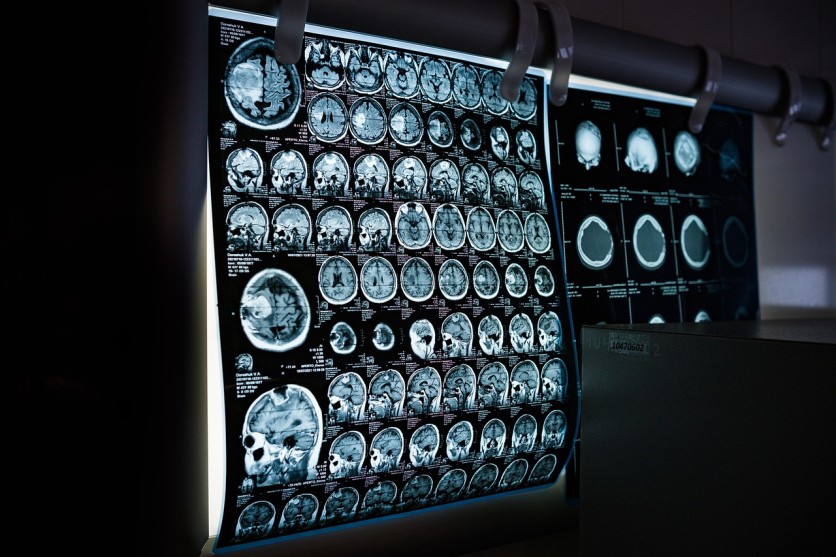
Explore key healthcare technology trends reshaping medicine, from AI and telemedicine to robotics and genomics, driving smarter, faster, and more personalized patient care worldwide. Pixabay, Mitrey
Healthcare is undergoing a major digital shift as innovation reshapes how medicine is delivered, diagnosed, and managed. Among the most influential healthcare technology trends are advancements in artificial intelligence, telemedicine, wearable health devices, robotics, and genomics. Together, these tools are redefining care systems, improving precision, and expanding global access.
Emerging Healthcare Technology Trends
Modern healthcare technology trends revolve around efficiency and personalization. Innovations such as AI-powered diagnostics, connected monitoring devices, robot-assisted surgery, and genetic analysis are becoming central to hospitals, clinics, and research institutions.
These developments support data-driven decision-making, preventive care, and faster recovery, marking a decisive move toward a smarter, patient-centered future.
Artificial Intelligence in Diagnostics
AI and machine learning stand at the front of healthcare technology trends, enabling early disease detection and predictive analytics. Machine learning models analyze massive datasets, medical images, lab results, and patient histories, to identify subtle patterns that humans might miss.
AI tools now assist radiologists in detecting cancers or cardiovascular issues more accurately and faster than traditional methods. Predictive algorithms also help medical institutions forecast admissions and resource needs.
As models improve, AI will enable highly personalized treatment decisions, bridging the gap between data science and clinical expertise.
Telemedicine and Virtual Care
Telemedicine has become one of the most transformative healthcare technology trends, providing easy access to medical consultations worldwide. Accelerated by the pandemic, virtual healthcare allows patients to connect with specialists through video calls or secure digital platforms.
Its main advantages, convenience, safety, and efficiency, are driving long-term adoption. Telehealth reduces travel time, expands rural health access, and facilitates quicker follow-ups. Future innovations may combine telemedicine with AI triage tools and wearable technologies, creating seamless remote care networks that maintain continuity between patients and providers.
Wearable Devices and Remote Monitoring
Wearable health devices have moved beyond fitness tracking to become powerful clinical tools. These innovations exemplify healthcare technology trends focused on real-time monitoring and proactive prevention.
Smartwatches and biosensors collect continuous health data such as heart rate, oxygen levels, and glucose readings. Physicians can analyze these metrics remotely, identifying potential risks before they escalate. For chronic conditions, like diabetes or hypertension, this technology supports consistent management and early intervention.
As connectivity improves, wearable data will feed into EHR systems and AI analytics, helping healthcare teams personalize treatment at scale.
Robotics and Automation in Healthcare
Robotics reflect one of the most advanced healthcare technology trends, enhancing surgical precision and streamlining hospital operations. Robotic-assisted surgery has become more common in orthopedics, neurology, and minimally invasive procedures, where accuracy and control are crucial.
Beyond the operating room, hospitals now use robots for disinfecting facilities and delivering supplies, boosting efficiency and safety. With further algorithmic development, adaptive surgical robots could soon learn from past procedures, complementing human skill and reducing risks during complex operations.
Automation is also transforming administrative workflows, optimizing scheduling, record-keeping, and logistics to reduce burden on healthcare professionals.
Read more: 3D Bioprinting Brings Organ Printing to Life with Bioinks and Vascular Networks for Human Health
Genomics and Personalized Medicine
Genomics and personalized medicine embody healthcare technology trends that aim to tailor treatment to each patient's unique genetic profile. Advances in sequencing technology allow clinicians to pinpoint genetic risk factors and customize therapies accordingly.
Pharmacogenomics, which studies how genes influence drug responses, is helping patients receive safer and more effective medications. With data integration linking genomics to electronic health records, practitioners can assess how genetics interact with lifestyle and environment, making care strategies more precise and preventive.
This data-centric model drives a transition from reactive medical care to proactive health management, where treatment decisions rely on deeper biological insight.
Addressing Challenges for the Next Decade
Despite their promise, healthcare technology trends face critical challenges. Data privacy and cybersecurity remain primary concerns as hospitals adopt cloud systems and interconnected devices. Protecting sensitive patient information is essential for maintaining trust and ethical integrity.
Regulatory frameworks must also evolve to keep pace with innovations like AI diagnostics and genetic testing. Without clear global standards and equitable access, digital health may deepen existing divides. Collaboration among technologists, healthcare experts, and policymakers will be key to ensuring safe and inclusive adoption.
The Future of Healthcare Technology Trends
The next decade will bring deeper integration between technology and care. Artificial intelligence will enhance diagnostics, telemedicine will extend global reach, wearable devices will make monitoring continuous, robotics will refine precision, and genomics will unlock individualized treatment.
Collectively, these healthcare technology trends signal a future where care is proactive, data-informed, and universally reachable. By combining human expertise with digital intelligence, healthcare systems are poised to become more adaptive, efficient, and compassionate, marking a new era in global well-being.
Frequently Asked Questions
1. What role does data security play in healthcare technology trends?
Data security protects sensitive patient records from breaches and misuse. As healthcare systems rely more on digital tools, strong encryption and compliance with privacy laws become essential for safe technology adoption.
2. How can small clinics keep up with healthcare technology trends?
Smaller clinics can adopt scalable solutions like cloud-based EHRs, telehealth platforms, and affordable wearables to improve care efficiency without heavy upfront costs.
3. Are healthcare technology trends changing patient expectations?
Yes. Patients now expect faster access, transparency, and personalized care through apps and remote monitoring. This shift pushes providers to deliver more connected, convenient experiences.
4. What impact do healthcare technology trends have on medical education?
Digital simulations, AI training models, and virtual reality tools are enhancing medical education, giving future professionals hands-on experience before practicing in real settings.
Read more: How AI Is Quietly Transforming Your Daily Life Without You Noticing Its Impact Today

-
 C114 Communication Network
 -
 Communication Home
