
 Search

Enchanted Tools/Unsplash
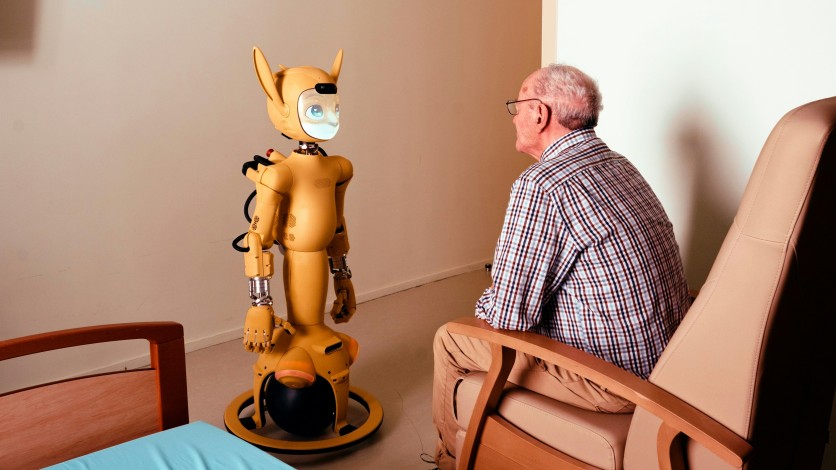
Care robots are transforming how societies respond to aging population needs by supporting independence, safety, and emotional well-being. Elderly robotics now plays a central role in assisting seniors with daily routines, reducing pressure on human caregivers. As demand for long-term care increases, technology is stepping in to provide consistent and reliable support.
Socially assistive robots and cognitive systems are helping reduce caregiver burden while improving quality of life for elderly individuals. These systems support mobility, communication, and health monitoring in ways that were not possible before. With integrated sensors and adaptive learning, care robots are becoming essential tools in modern eldercare environments.
Care Robots Daily Assistance and Mobility Support
Care robots are increasingly used to support everyday tasks that help seniors maintain independence. Medication reminders, automated dispensing systems, and alert functions improve adherence rates and reduce missed doses. Elderly robotics also plays a role in physical safety by helping users move through environments more confidently and securely.
Mobility assistance systems in care robots use sensors and mapping technologies to guide seniors safely around obstacles. These systems reduce fall risks by providing real-time navigation support in homes and care facilities. Socially assistive robots also encourage cognitive engagement through interactive exercises, helping maintain memory and mental agility over time.
Robotics for the Elderly Emotional and Social Support Systems
Robotics for the elderly goes beyond physical assistance by focusing on emotional and psychological well-being. Care robots can analyze facial expressions and voice patterns to detect emotional states and respond with supportive interaction. This helps reduce loneliness and improves overall mental health in elderly users.
Socially assistive robots also provide companionship through conversation, entertainment, and virtual family interaction. Video calling features help seniors stay connected with loved ones, while music and relaxation programs support emotional balance. These systems are designed to create consistent social engagement in environments where isolation is common.
Read more: First Humanoid Robot at the White House? Figure AI's F.03 Becomes Controversial Over Historic Milestone
Care Robots Benefits and Real-World Implementation Challenges
Care robots are increasingly being used in elderly care environments to improve efficiency and reduce pressure on human caregivers. Elderly robotics supports routine monitoring and assistance tasks that would otherwise require continuous manual effort. While the benefits are clear, real-world adoption still comes with practical challenges that must be addressed.
- Workload Reduction Benefits – Care robots help reduce caregiver workload by handling repetitive tasks such as monitoring, reporting, and basic assistance, allowing staff to focus on more personalized care.
- Improved Facility Efficiency – Elderly robotics improves operational efficiency by enabling one system to support multiple residents at the same time across care facilities.
- Enhanced Human Interaction Time – With care robots handling routine duties, caregivers can dedicate more time to emotional support and direct patient interaction.
- Adoption Resistance Issues – Some seniors may resist elderly robotics due to unfamiliarity with technology, slowing down integration in care settings.
- Cost and Maintenance Concerns – Implementation challenges include ongoing maintenance costs and the financial investment required for deploying care robots at scale.
- Training and Usability Needs – Successful elderly robotics integration depends on proper staff training and designing systems that are easy for seniors and caregivers to use.
Cognitive Stimulation and Assisted Living Technologies
Care robots are increasingly used to support cognitive health in elderly care through structured mental engagement programs. Elderly robotics integrates interactive systems designed to stimulate memory, attention, and problem-solving skills. These technologies help maintain mental sharpness while adapting to individual user needs.
- Memory Training Programs – Care robots use structured exercises and interactive games to stimulate memory recall and cognitive function in elderly users.
- Adaptive Cognitive Exercises – Elderly robotics personalizes tasks based on cognitive ability, ensuring activities remain engaging and appropriately challenging.
- Daily Routine Engagement – Socially assistive robots encourage seniors to participate in everyday activities that support mental stimulation and consistency.
- Social Interaction Support – Care robots help reduce isolation by promoting communication and engagement through guided interaction programs.
- Slowing Cognitive Decline – Elderly robotics contributes to maintaining mental activity, which may help slow cognitive decline over time.
- Improved Assisted Living Environment – These technologies create a more active, supportive, and stimulating care setting for seniors in assisted living facilities.
Maximize Elderly Care Through Strategic Robot Deployment
Care robots and elderly robotics are reshaping how societies support aging populations by combining safety, independence, and emotional care. Socially assistive robots provide meaningful interaction while mobility systems reduce physical risks and improve daily living conditions. Together, these technologies create a more balanced and supportive care environment.
As adoption increases, care robots are expected to become a standard part of eldercare systems worldwide. Their ability to assist with health monitoring, emotional support, and cognitive engagement makes them valuable tools for the future. Elderly robotics continues to evolve, offering new possibilities for improving quality of life in aging communities.
Frequently Asked Questions
1. How do care robots help elderly individuals daily?
Care robots assist with medication reminders, mobility support, and daily routine tasks. They reduce caregiver workload by automating repetitive assistance functions. Elderly robotics also helps improve safety through monitoring systems. This ensures seniors can live more independently.
2. What is the role of socially assistive robots in eldercare?
Socially assistive robots provide companionship and emotional engagement for seniors. They help reduce loneliness through conversation and interactive activities. These robots also support cognitive stimulation protocols. This improves mental well-being over time.
3. Are elderly robotics systems safe for seniors?
Elderly robotics systems are designed with safety sensors and real-time monitoring features. They help prevent falls and detect emergencies quickly. Care robots are tested to ensure reliable performance in home and facility environments. Safety remains a top design priority.
4. What challenges do care robots face in adoption?
Care robots face challenges such as user resistance, training requirements, and maintenance costs. Some seniors may find it difficult to adapt to new technology. Facilities also need proper infrastructure for deployment. Despite this, adoption continues to grow steadily.
Read more: How Top Medical AI Tools for Radiology Imaging with Aidoc Arterys and Gleamer Triage and Flags

-
 C114 Communication Network
 -
 Communication Home
