
 Search

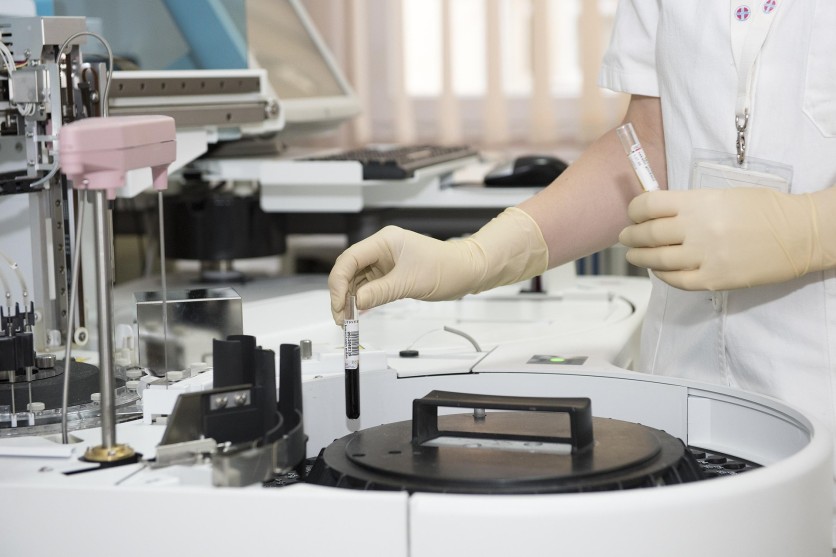
Discover how AI healthcare technology and machine learning diagnosis are transforming disease detection, improving accuracy, and reshaping patient care in today’s evolving medical landscape. Pixabay, DarkoStojanovic
The rise of AI healthcare technology is transforming how medical professionals detect, diagnose, and treat diseases. Through advanced analytics and predictive modeling, machine learning diagnosis systems are enabling earlier detection of illnesses and offering data-driven insights that improve patient care.
As hospitals and research institutions continue to adopt AI tools, the healthcare sector is entering a new era of precision and efficiency.
What Is AI in Healthcare?
Artificial intelligence in healthcare refers to the use of computer algorithms that can learn from vast amounts of medical data to support clinical decision-making. AI healthcare technology combines machine learning, deep learning, and natural language processing to mimic intelligent reasoning, similar to human cognition.
Unlike traditional software, AI systems do not follow fixed programming rules. Instead, they continuously evolve as they process more information, whether it's medical images, patient records, or lab results.
Examples already in use include AI-assisted imaging tools, diagnostic chatbots, and machine-learning-powered platforms that predict disease risk.
Physicians use these technologies to analyze patterns in medical data that might go unnoticed by the human eye. For instance, AI models can flag subtle irregularities in chest X-rays or detect minor tissue abnormalities, allowing for faster and more accurate diagnosis.
How Does Machine Learning Help in Disease Diagnosis?
Machine learning diagnosis systems operate by training on massive datasets. These datasets often contain labeled examples, such as images of healthy versus diseased tissue, that help the system learn to differentiate between categories. Once trained, the model can identify similar patterns in new, unseen data.
This process enables AI to recognize disease markers earlier than traditional methods. For example, deep learning algorithms used in radiology can examine CT scans pixel by pixel, detecting anomalies long before symptoms appear.
Similarly, in pathology, machine learning tools analyze slides to help experts identify cancerous cells more efficiently.
Predictive analytics is another powerful application. By combining patient medical history, genetic information, and lifestyle data, AI can estimate the likelihood of developing conditions such as diabetes or heart disease. This allows for preventive strategies that focus on early intervention rather than treatment after onset.
Which Diseases Can AI Detect?
One of the most striking strengths of AI healthcare technology lies in its versatility. It can be applied across numerous medical fields, assisting with the detection of cancer, cardiovascular disease, respiratory conditions, and neurological disorders.
In oncology, AI algorithms trained on imaging data can recognize early-stage tumors that might be invisible to human radiologists. Studies have shown that machine learning diagnosis systems for breast cancer screening can match or even exceed expert performance in identifying malignancies from mammograms.
In cardiology, AI tools analyze electrocardiograms and imaging scans to assess heart function and detect abnormalities like arrhythmias or blocked arteries. Neurologists use AI to evaluate brain scans for signs of Alzheimer's disease, while ophthalmologists rely on it for detecting diabetic retinopathy through retinal imaging.
By spanning specialties, AI contributes to a more integrated and precise healthcare system, one that responds faster and minimizes diagnostic errors.
How Accurate Is AI Diagnosis Compared to Doctors?
Accuracy remains a widely discussed aspect of machine learning diagnosis. Numerous studies have reported that AI systems can perform on par with, or occasionally outperform, human experts in specific diagnostic tasks.
For example, AI image recognition algorithms have achieved dermatologist-level accuracy in classifying skin lesions.
However, performance depends heavily on the quality and diversity of the datasets used to train the system. AI may struggle when it encounters unfamiliar data that differs from its training samples.
To mitigate this, medical professionals often combine AI predictions with their own expertise, creating a dual-check system that enhances accuracy and trust.
This collaborative model, often described as "augmented intelligence," positions AI as a supportive tool rather than a replacement for doctors. Human oversight ensures that contextual understanding and ethical judgment remain central to patient care.
Read more: AI Chatbot Risks in Healthcare: Safety, Privacy, and Ethical Concerns Explained
What Are the Benefits of Using AI in Healthcare Diagnostics?
The efficiency of AI healthcare technology addresses one of medicine's main challenges: the increasing volume of patient data versus limited time for diagnosis. AI streamlines these processes by automating repetitive data analysis, enabling clinicians to focus more on treatment planning and patient interaction.
Some notable benefits include:
- Speed: AI can analyze thousands of medical images in seconds, accelerating diagnostic workflows.
- Enhanced accuracy: Machine learning models reduce human error by recognizing minute details consistently.
- Consistency: Unlike human evaluation, AI performance remains stable across large volumes of diagnostic data.
- Personalized medicine: AI can tailor treatments by considering genetic profiles and patient history.
Overall, these benefits translate into earlier interventions, improved quality of care, and reduced healthcare costs over time.
What Are the Limitations of AI Healthcare Technology?
Despite its promise, AI faces several limitations. Data privacy is a major concern, medical datasets often contain sensitive personal information that must be handled securely. Ensuring compliance with data protection regulations and maintaining patient trust are crucial.
Bias is another challenge. If training data does not adequately represent diverse patient populations, machine learning diagnosis systems may produce unequal or inaccurate results. Transparency and explainability also remain issues, as it can be difficult to understand how an algorithm arrived at a specific diagnosis.
Finally, the implementation costs of AI systems can be high, particularly for smaller clinics or developing healthcare infrastructures. The need for skilled personnel to operate and interpret AI outputs adds additional complexity.
Still, these challenges serve as opportunities for research and policy innovation aimed at creating equitable, reliable AI healthcare frameworks.
What Is the Future of AI and Machine Learning in Medicine?
The next phase of AI healthcare technology points toward integration, bridging data from imaging tools, electronic health records, genetics, and wearable devices into unified analytics systems. This real-time information will enhance physicians' capacity to make accurate, personalized decisions.
AI is also driving progress in precision medicine, where treatments are tailored based on individual biological markers. For example, AI-driven genomic analysis can identify rare mutations that guide targeted cancer therapies.
Predictive algorithms may soon play an even larger role in population health management, helping to forecast disease outbreaks and optimize resource allocation.
As AI systems become more transparent and regulated, collaboration between technologists, doctors, and policymakers will ensure responsible adoption that strengthens, rather than replaces, human medical expertise.
The Growing Impact of AI Healthcare Technology on the Future of Diagnosis
Artificial intelligence is reshaping how the world perceives healthcare diagnostics. Through machine learning diagnosis, what once took hours, or even days, can now be completed with remarkable speed and precision.
Hospitals and research institutions are transitioning from reactive to predictive models of care, allowing diseases to be identified earlier and treated more effectively.
The synergy of human professionals and AI healthcare technology will define the future of medicine. As these tools become more sophisticated, they will not only enhance accuracy but also expand access to quality healthcare worldwide.
By combining data-driven insight with human judgment, healthcare systems can achieve a more proactive, precise, and compassionate approach to patient wellness.
Frequently Asked Questions
1. Can AI healthcare technology assist with mental health diagnosis?
Yes. AI tools can analyze speech patterns, facial expressions, and social media behavior to help identify early signs of anxiety, depression, or cognitive disorders, supporting clinicians in mental health assessment.
2. How is patient data secured when using machine learning in healthcare?
Healthcare institutions use encryption, anonymization, and strict access controls to protect sensitive data used in training AI systems while maintaining compliance with privacy regulations.
3. What skills do medical professionals need to work effectively with AI tools?
Clinicians benefit from basic data literacy, understanding algorithm outputs, and the ability to interpret AI insights within a medical context to ensure safe and informed decision-making.
4. Can machine learning diagnosis systems adapt to new diseases or medical conditions?
Yes, AI models can be retrained with new datasets, allowing them to detect emerging conditions or improve accuracy as new medical research becomes available.
Read more: Mars Rover AutoNav and TRN Lunar Landing: Powering Self‑Guided, Human‑Free Space Missions

-
 C114 Communication Network
 -
 Communication Home
